What Is Devil’s Flight?
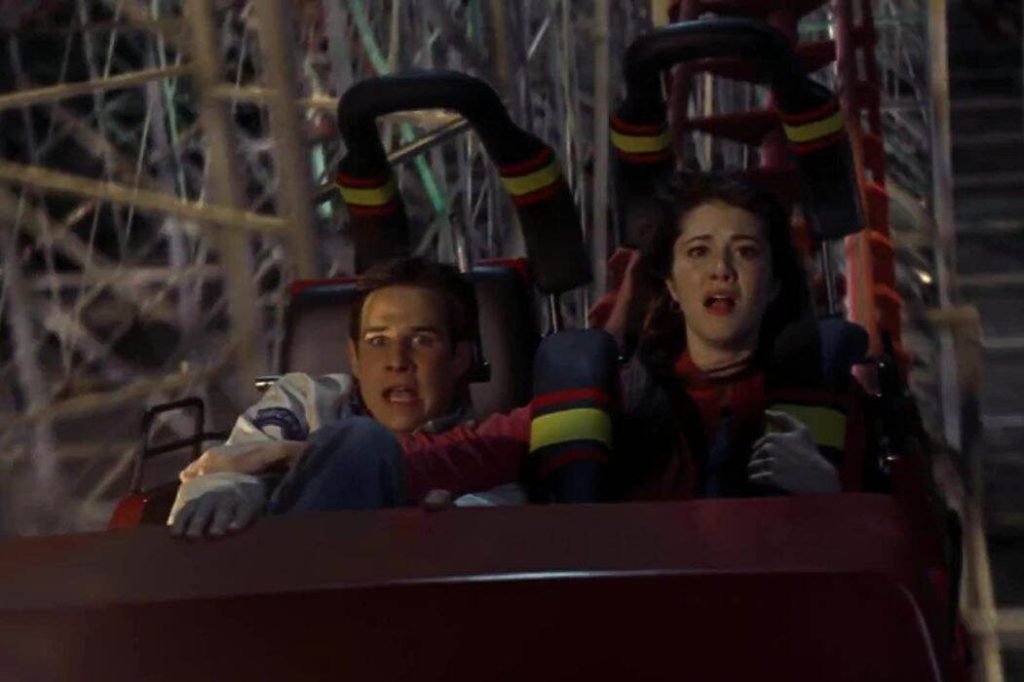
Devil’s Flight is the fictional roller coaster featured in the 2006 horror film Final Destination 3. The coaster serves as the central setting for the film’s opening sequence, where a catastrophic accident occurs that sets the entire plot in motion.
While Devil’s Flight is not a real coaster, it has become iconic in both coaster enthusiast culture and horror film culture. The coaster represents a fictional extreme coaster experience and has influenced how roller coasters are portrayed in popular media.
In this article, we’ll explore Devil’s Flight, its role in Final Destination 3, its design and characteristics, how it compares to real coasters, and its impact on coaster culture and horror cinema.
Final Destination 3: The Film and the Opening Sequence
Final Destination 3 is a horror film that follows a group of teenagers who survive a catastrophic roller coaster accident and then face a series of deaths as Death comes to collect them.
The Setup
The film opens with a group of high school friends at an amusement park. They’re excited to ride Devil’s Flight, a state-of-the-art roller coaster at the park. The coaster is portrayed as a thrilling, extreme attraction that the friends are eager to experience.
The Accident
As the friends ride Devil’s Flight, something goes catastrophically wrong. The coaster malfunctions, and the train derails. The accident is violent and chaotic, with riders thrown from the coaster and the train crashing.
The opening sequence is intense and graphic, setting the tone for the horror film. The accident is portrayed as a sudden, unexpected tragedy that kills several riders.
The Survival
The main characters survive the accident through a premonition that allows one character to see the accident before it happens. She convinces her friends to exit the coaster before the accident occurs, allowing them to survive.
The Consequence
Because they cheated Death by surviving the accident, Death comes to collect them. The rest of the film follows the characters as they face a series of increasingly creative and gruesome deaths.
The Design of Devil’s Flight: What the Coaster Looks Like
Devil’s Flight is portrayed as a modern, extreme steel coaster with several distinctive characteristics.
The Structure
Devil’s Flight is a steel coaster with a distinctive track design. The coaster features sharp angles, dramatic inversions, and a sleek, modern aesthetic. The track is painted in dark colors, giving the coaster a menacing appearance.
The Layout
The coaster features multiple inversions and dramatic elements. The layout includes loops, corkscrews, and other inversions that create a sense of chaos and intensity. The coaster is designed to look extreme and dangerous.
The Theming
The coaster is themed around a demonic or devilish concept. The name “Devil’s Flight” and the dark color scheme reinforce this theming. The coaster is designed to look menacing and dangerous, fitting the horror film context.
The Realism
While Devil’s Flight is fictional, the coaster is designed to look realistic. The filmmakers consulted with coaster experts to create a coaster that looks plausible and authentic. The result is a coaster that looks like it could actually exist.
The Real-World Inspiration: What Coasters Influenced Devil’s Flight
While Devil’s Flight is fictional, the filmmakers drew inspiration from real coasters when designing it.
Extreme Steel Coasters
Devil’s Flight appears to be inspired by extreme steel coasters like Kingda Ka, Top Thrill, and other hypercoasters and giga coasters. The coaster’s extreme speed and multiple inversions are characteristic of these real coasters.
Inverted Coasters
Devil’s Flight features inverted elements, suggesting inspiration from inverted coasters like Batman: The Ride and Alpengeist. The inverted design adds to the coaster’s menacing appearance.
Modern Coaster Design
Devil’s Flight reflects modern coaster design trends. The sharp angles, dramatic inversions, and sleek aesthetic are characteristic of coasters built in the 2000s.
The Fictional Extreme
While inspired by real coasters, Devil’s Flight is portrayed as more extreme than most real coasters. The coaster is designed to be a fictional pinnacle of extreme coaster design, pushing the boundaries of what’s possible.
The Accident Scene: Analyzing the Fictional Malfunction
The opening accident sequence in Final Destination 3 is the centerpiece of the film. Let’s analyze what happens in the fictional accident.
The Malfunction
The accident is portrayed as a sudden mechanical failure. The coaster’s track separates or fails in some way, causing the train to derail. The exact nature of the malfunction is intentionally vague, adding to the horror of the scene.
The Derailment
As the track fails, the train derails. The train leaves the track and becomes airborne. Riders are thrown from their seats and from the train itself.
The Chaos
The scene is portrayed as chaotic and violent. Riders are thrown in multiple directions, the train is destroyed, and there’s a sense of complete loss of control.
The Aftermath
The aftermath shows the destruction caused by the accident. The coaster is damaged, riders are injured or killed, and there’s a sense of tragedy and horror.
The Realism Question
Is the fictional accident realistic? While the scene is exaggerated for dramatic effect, it does reflect some real concerns about coaster safety. Coaster derailments are rare but possible, and the scene captures the potential danger if safety systems fail.
Coaster Safety vs. Fiction: How Realistic Is the Accident?
How realistic is the Devil’s Flight accident compared to real coaster safety?
Modern Safety Systems
Modern coasters have multiple redundant safety systems designed to prevent derailments. These systems include guide wheels, anti-rollback devices, and magnetic braking systems. A catastrophic derailment like the one in Final Destination 3 would be extremely unlikely on a modern coaster.
Inspection and Maintenance
Coasters are inspected regularly and maintained according to strict protocols. Any signs of wear or damage are addressed immediately. This ongoing maintenance makes catastrophic failures extremely unlikely.
Testing and Certification
Before a coaster can open, it must undergo extensive testing and certification. Engineers test the coaster with weighted trains and monitor all systems to ensure they work correctly.
The Fictional License
While the Devil’s Flight accident is exaggerated for dramatic effect, it’s not entirely unrealistic. The scene captures the potential danger if multiple safety systems failed simultaneously. However, the likelihood of such a failure is extremely low on a modern coaster.
The Horror Film Context
It’s important to remember that Final Destination 3 is a horror film, not a documentary. The accident is designed to be dramatic and terrifying, not realistic. The filmmakers prioritized entertainment value over strict realism.
The Impact on Coaster Culture: How Final Destination 3 Influenced Coaster Perception
Final Destination 3 has had a significant impact on how roller coasters are perceived in popular culture.
The Fear Factor
The film reinforced the perception that roller coasters are dangerous. While real coasters are extremely safe, the film created a narrative of danger and risk that influenced how some people view coasters.
The Thrill Appeal
Paradoxically, the film also reinforced the appeal of extreme coasters. The coaster is portrayed as thrilling and intense, which appeals to coaster enthusiasts. Some people are drawn to coasters specifically because of the perceived danger.
The Meme Status
Devil’s Flight has become somewhat of a meme in coaster enthusiast culture. Enthusiasts reference the film when discussing extreme coasters, and the coaster has become iconic in coaster culture despite being fictional.
The Cultural Reference
Final Destination 3 is frequently referenced in discussions about coasters and safety. The film has become a cultural touchstone for coaster-related content in horror and thriller genres.
Comparing Devil’s Flight to Real Extreme Coasters
How does the fictional Devil’s Flight compare to real extreme coasters?
Speed
Devil’s Flight is portrayed as a fast coaster, though the exact speed isn’t specified. Based on its appearance, it would likely be comparable to coasters like Kingda Ka (128 mph) or Top Thrill 2 (120 mph).
Inversions
Devil’s Flight features multiple inversions. The exact number isn’t clear, but the coaster appears to have at least 5-8 inversions, which would be comparable to coasters like Alpengeist (7 inversions) or Montu (7 inversions).
Intensity
Devil’s Flight is portrayed as extremely intense. The coaster’s design suggests it would deliver sustained high G-forces and multiple airtime moments, comparable to coasters like Fury 325 or Intimidator 305.
The Fictional Extreme
While Devil’s Flight is inspired by real coasters, it’s portrayed as more extreme than most real coasters. The coaster is designed to be a fictional pinnacle of coaster design, pushing the boundaries of what’s possible.
The Realism Factor
Despite being fictional, Devil’s Flight is designed to look plausible. A coaster with Devil’s Flight’s characteristics could theoretically exist, though it would be exceptionally extreme.
The Filmmaking Behind Devil’s Flight: How Was It Created?
How did the filmmakers create the Devil’s Flight sequences for Final Destination 3?
Practical Effects
The filmmakers used practical effects to create the coaster sequences. They built sets and used stunt performers to create the accident scene. The practical effects give the scene a sense of physicality and realism.
CGI Effects
The filmmakers also used CGI (computer-generated imagery) to enhance the coaster sequences. CGI was used to create the coaster’s movements, the derailment, and the aftermath of the accident.
Stunt Work
Professional stunt performers were used to create the dangerous-looking scenes. The stunt work adds to the realism and intensity of the accident sequence.
Sound Design
The sound design of the coaster sequences is critical to the film’s impact. The sounds of the coaster, the screams of riders, and the sounds of the accident all contribute to the intensity of the scene.
Cinematography
The cinematography of the coaster sequences uses dynamic camera angles and movements to create a sense of chaos and intensity. The camera work makes the scene feel immersive and terrifying.
The Premonition Scene: The Supernatural Element
A key element of Final Destination 3 is the premonition that allows the main character to see the accident before it happens.
The Vision
The main character, Wendy, has a premonition while on the coaster. She sees the accident happening and realizes that the coaster will crash.
The Warning
Wendy tries to warn her friends about the accident. Initially, they don’t believe her, but she manages to convince them to exit the coaster before the accident occurs.
The Escape
Wendy and her friends exit the coaster just before the accident happens. They survive while other riders are killed in the accident.
The Supernatural Twist
By surviving the accident, the characters have cheated Death. Death is portrayed as a supernatural force that comes to collect the characters who were supposed to die. The rest of the film follows Death’s pursuit of the characters.
The Deaths: How Death Comes for the Characters
After surviving the Devil’s Flight accident, the characters face a series of increasingly creative and gruesome deaths.
The Pattern
Each death is preceded by a series of near-misses or close calls. The characters narrowly avoid accidents, only to have Death find another way to kill them.
The Creativity
The deaths are portrayed as increasingly creative and elaborate. Death uses everyday objects and situations to kill the characters in unexpected ways.
The Inevitability
The film emphasizes the inevitability of Death. No matter what the characters do, Death finds a way to collect them. The characters can’t escape their fate.
The Moral Element
The Final Destination franchise emphasizes a moral element—that Death comes for those who cheat it. The characters’ survival of the accident sets them on a path toward inevitable death.
The Final Destination Franchise: Devil’s Flight in Context
Devil’s Flight is part of the larger Final Destination franchise, which has become iconic in horror cinema.
The Franchise Overview
The Final Destination franchise consists of five films (as of 2023) that follow a similar pattern: a group of people survive a catastrophic accident through a premonition, and then Death comes to collect them.
The Opening Accidents
Each film in the franchise features a different catastrophic accident as the opening sequence. The accidents vary—a plane crash, a highway pileup, a roller coaster accident, a racetrack accident, and a bridge collapse.
Devil’s Flight’s Significance
Devil’s Flight is the opening accident of the third film in the franchise. It’s one of the most iconic opening sequences in the franchise and has become synonymous with Final Destination 3.
The Cultural Impact
The Final Destination franchise has had a significant cultural impact. The films have influenced how catastrophic accidents are portrayed in horror cinema and have created a template for disaster-horror films.
Coaster Safety Education: Using Devil’s Flight to Teach About Real Safety
While Devil’s Flight is fictional, it can be used as a teaching tool to discuss real coaster safety.
The Safety Systems
Real coasters have multiple redundant safety systems designed to prevent the kind of accident portrayed in Final Destination 3. Understanding these systems can help people feel more confident about coaster safety.
The Inspection Process
Real coasters are inspected regularly and maintained according to strict protocols. Understanding the inspection process can help people appreciate the care that goes into keeping coasters safe.
The Engineering Standards
Real coasters are engineered according to strict standards and regulations. Understanding these standards can help people appreciate the sophistication of coaster design.
The Reassurance
By understanding how real coasters are designed and maintained, people can feel more confident about riding them. The fictional danger portrayed in Final Destination 3 is far removed from the reality of modern coaster safety.
The Coaster Enthusiast Perspective: How Enthusiasts View Devil’s Flight
How do coaster enthusiasts view Devil’s Flight and Final Destination 3?
Most coaster enthusiasts appreciate Final Destination 3 as entertainment. They recognize that the film is fictional and exaggerated for dramatic effect. The film is enjoyed as a horror movie, not as a documentary about coaster safety.
The Coaster Appreciation
Enthusiasts appreciate the attention to detail in the coaster design. The filmmakers consulted with coaster experts to create a coaster that looks plausible and authentic. Enthusiasts recognize the effort that went into making Devil’s Flight look like a real coaster.
The Safety Awareness
Enthusiasts are aware that the accident portrayed in Final Destination 3 is unrealistic. They understand that modern coasters have safety systems that make such accidents extremely unlikely. The film doesn’t change their perception of coaster safety.
The Meme Status
Enthusiasts have embraced Devil’s Flight as a meme. References to the film are common in coaster enthusiast communities. The coaster has become iconic in coaster culture, even though it’s fictional.
The Respect for the Craft
Despite the fictional danger, enthusiasts respect the craft of coaster design. They appreciate the engineering that goes into creating extreme coasters and understand that real coasters are designed with safety as a paramount concern.
The Psychological Appeal: Why We’re Drawn to Coaster Horror
Why are people drawn to horror films featuring coasters? What’s the psychological appeal?
The Thrill and Fear Combination
Coasters are already thrilling and create a sense of danger (even though they’re safe). Horror films that feature coasters tap into the existing thrill and fear associated with coasters. The combination of real thrill and fictional danger creates a compelling psychological experience.
The Safe Danger
Horror films allow people to experience danger in a safe context. Watching a coaster accident in a film allows people to experience the fear of danger without actually being in danger. This safe danger is psychologically appealing.
The Validation of Fears
For people who are afraid of coasters, horror films like Final Destination 3 validate their fears. The films confirm that coasters are dangerous, which reinforces the fear. However, this validation is based on fiction, not reality.
The Adrenaline Rush
Horror films create an adrenaline rush through fear and suspense. The adrenaline rush is similar to the adrenaline rush experienced on a coaster. This similarity makes coaster horror films particularly effective.
The Narrative Appeal
The Final Destination franchise has a compelling narrative structure. The supernatural element of Death coming to collect the survivors creates a sense of inevitability and doom that’s psychologically compelling.
The Real-World Impact: Did Final Destination 3 Affect Coaster Ridership?
Did Final Destination 3 have a real-world impact on coaster ridership and public perception of coasters?
The Box Office Success
Final Destination 3 was a box office success, indicating that the film reached a wide audience. The film’s popularity means that many people saw the coaster accident sequence.
The Perception Impact
While the film likely reinforced fears about coaster safety in some people, there’s no evidence that it significantly decreased coaster ridership. Coaster enthusiasts continued to ride coasters, and the general public continued to visit theme parks.
The Cultural Conversation
The film did contribute to cultural conversations about coaster safety. The film raised awareness about the potential dangers of coasters, even though the portrayed danger was exaggerated.
The Long-Term Effect
Over the long term, Final Destination 3 has become part of coaster culture. The film is referenced in discussions about coasters and has become iconic in coaster enthusiast communities.
Devil’s Flight and Other Fictional Coasters: Comparing Coaster Portrayals
How does Devil’s Flight compare to other fictional coasters in film and television?
The Verrückt Coaster (Kingsman: The Golden Circle)
The Kingsman film franchise features a fictional coaster called Verrückt. Like Devil’s Flight, Verrückt is designed to be an extreme coaster with multiple inversions and intense elements.
The Space Mountain Sequence (Tomorrowland)
While Space Mountain is a real coaster, the Tomorrowland film features a fictional version of the coaster with enhanced effects and a narrative element.
The Coaster in Adventureland
The film Adventureland features a fictional theme park with coasters. The coasters in the film are portrayed as worn-down and potentially unsafe, contrasting with the modern, extreme Devil’s Flight.
The Comparison
Devil’s Flight stands out among fictional coasters because of its design authenticity. The coaster looks like it could actually exist, which makes it more compelling and memorable than some other fictional coasters.
The Legacy of Devil’s Flight: Its Place in Coaster History
What is the legacy of Devil’s Flight? How will it be remembered in coaster culture?
The Iconic Status
Devil’s Flight has achieved iconic status in coaster culture. The coaster is recognized and referenced by coaster enthusiasts, and it has become synonymous with Final Destination 3.
The Cultural Reference
Devil’s Flight is frequently referenced in discussions about coasters, safety, and horror cinema. The coaster has become a cultural touchstone that transcends its fictional origins.
The Enduring Appeal
Despite being created in 2006, Devil’s Flight continues to be relevant and appealing. The coaster remains iconic in coaster culture and continues to be referenced in new discussions and media.
The Educational Value
Devil’s Flight can be used as a teaching tool to discuss coaster design, safety, and the difference between fictional danger and real safety. The coaster serves an educational purpose beyond its entertainment value.
The Inspiration
Devil’s Flight has inspired discussions about extreme coaster design. The fictional coaster has influenced how people think about the limits of coaster design and what’s possible in coaster engineering.
The Future: Will We See More Coaster Horror Films?
Will we see more horror films featuring coasters like Final Destination 3?
The Franchise Potential
The Final Destination franchise has proven that coaster-based horror has commercial appeal. The franchise’s success suggests that there’s an audience for coaster horror films.
The Thematic Appeal
Coasters are inherently thrilling and create a sense of danger, making them ideal settings for horror films. The combination of real thrill and fictional danger is psychologically compelling.
The Creative Possibilities
There are many creative possibilities for coaster horror films. Different types of coasters, different accidents, and different supernatural elements could all be explored in future films.
The Audience
There’s an audience for coaster horror films among both coaster enthusiasts and general horror fans. The combination of coaster thrills and horror elements appeals to a broad audience.
The Likelihood
Given the success of Final Destination 3 and the ongoing popularity of the Final Destination franchise, it’s likely that we’ll see more coaster-based horror content in the future. Whether it’s in the form of new Final Destination films or other coaster horror films remains to be seen.
The Coaster Community’s Response: How Enthusiasts Have Embraced Devil’s Flight
How has the coaster enthusiast community responded to Devil’s Flight and Final Destination 3?
The Meme Culture
Devil’s Flight has become a meme in coaster enthusiast communities. Enthusiasts create jokes and references about the coaster, and the coaster has become a running joke in online communities.
The Fan Content
Enthusiasts have created fan content inspired by Devil’s Flight. This includes artwork, videos, and written content that explores the coaster and its fictional world.
The Community Discussions
Devil’s Flight is frequently discussed in coaster enthusiast communities. Enthusiasts debate the coaster’s design, compare it to real coasters, and discuss its place in coaster culture.
The Appreciation
Despite being fictional, Devil’s Flight is appreciated by the coaster community. Enthusiasts recognize the effort that went into creating an authentic-looking coaster and appreciate the attention to detail.
The Integration
Devil’s Flight has been integrated into coaster culture. The coaster is referenced alongside real coasters in discussions and has become part of the broader coaster conversation.
Conclusion: Devil’s Flight and Its Impact on Coaster Culture
Devil’s Flight is a fictional roller coaster that has achieved iconic status in coaster culture and horror cinema. Created for the 2006 film Final Destination 3, the coaster represents an extreme fictional coaster experience that has captured the imagination of both coaster enthusiasts and horror fans.
While Devil’s Flight is fictional and the accident portrayed in the film is exaggerated for dramatic effect, the coaster has become a cultural touchstone. The coaster is referenced in coaster enthusiast communities, has become a meme in online culture, and has influenced how coasters are portrayed in popular media.
The filmmakers’ attention to detail in designing Devil’s Flight—consulting with coaster experts to create an authentic-looking coaster—has earned respect from the coaster community. Enthusiasts appreciate the effort that went into making the coaster look plausible and realistic.
Final Destination 3 has also contributed to broader conversations about coaster safety. While the film’s portrayal of danger is exaggerated, it has raised awareness about the importance of coaster safety systems and the engineering that goes into keeping coasters safe.
The legacy of Devil’s Flight extends beyond its role in a single film. The coaster has become part of coaster culture, influencing how people think about extreme coaster design and the limits of what’s possible in coaster engineering.
Whether you’re a coaster enthusiast who appreciates the design authenticity, a horror fan who enjoys the film’s thrilling opening sequence, or someone who’s simply curious about the coaster’s cultural impact, Devil’s Flight represents a fascinating intersection of entertainment, engineering, and culture.
The next time you watch Final Destination 3 or hear Devil’s Flight referenced in a coaster enthusiast community, you’ll understand the coaster’s significance and its place in both horror cinema and coaster culture. Devil’s Flight may be fictional, but its impact on coaster culture is very real.
