If roller coasters make you dizzy, you are not “weak,” you are not “too old,” and you are not broken. You are a human with an inner ear, a brain that hates mixed signals, and a body that is trying to keep you upright while you voluntarily fling yourself through forces it did not evolve for.
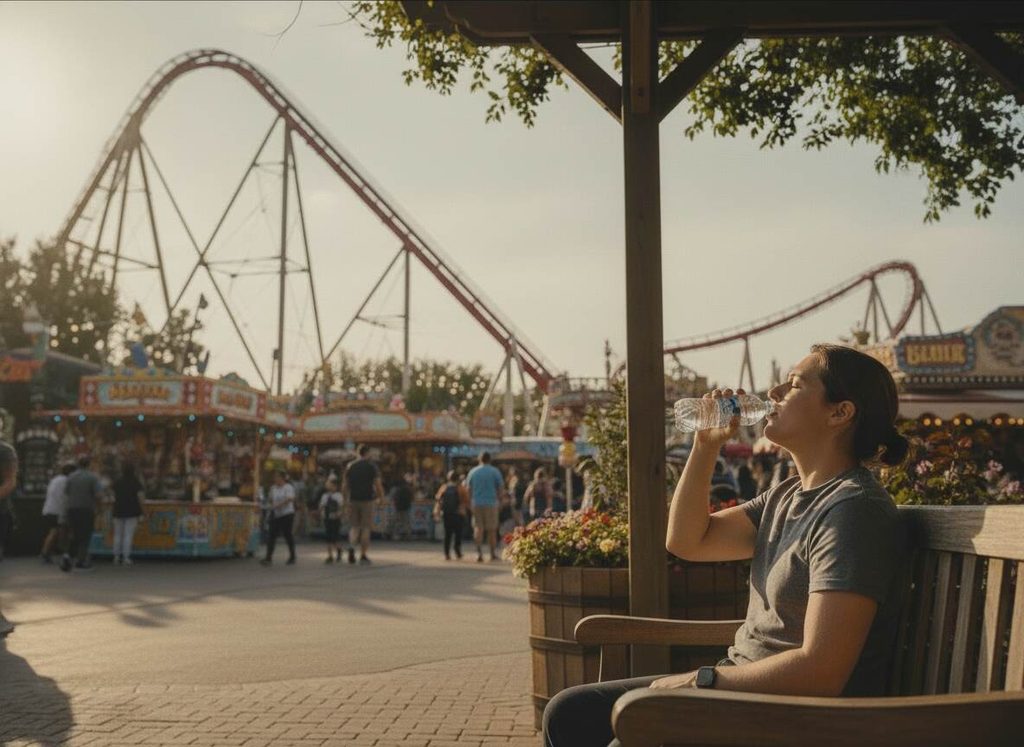
The annoying part is that dizziness can ruin a park day faster than bad weather. You can be having the time of your life, then one ride later you are sitting on a curb drinking water like it is a full-time job, wondering if you should just go home.
So let’s talk about why it happens, what kind of dizziness you might be dealing with, and how to prevent it without turning your day into a joyless “no fun allowed” wellness retreat.
Quick Answer: Your Brain Is Getting Conflicting Balance Signals
Most coaster dizziness comes down to one thing: your balance system is getting information that does not match.
Your inner ear (vestibular system) senses motion and rotation. Your eyes see motion, distance, and horizon. Your muscles and joints send “body position” signals. When those inputs disagree, your brain can respond with dizziness, nausea, disorientation, or that weird floating feeling that makes you walk like you just got off a boat.
Coasters are basically designed to create controlled versions of those conflicts. That is part of the thrill. Your body just does not always find it charming.
The Main Reasons Roller Coasters Make You Dizzy
1) Spinning And Rotation Confuse Your Inner Ear
Spinning rides are the obvious culprit, but you do not need a teacup ride to get rotational dizziness. Coasters can create rotational forces through tight turns, helixes, and rapid directional changes, especially when you cannot see a stable horizon.
This is one reason indoor coasters can feel worse for some people. Darkness removes visual “anchors,” so your inner ear is doing more of the work.
2) Your Eyes And Inner Ear Disagree (Especially On Screen-Based Rides)
Some attractions are a perfect storm: your eyes see motion that your body is not fully feeling, or your body is moving in a way your eyes cannot predict. That mismatch is a classic motion sickness trigger.
Even on traditional coasters, this can happen when you are looking sideways, looking down, or trying to watch scenery whip past instead of looking forward.
3) G-Forces Shift Blood And Pressure In Ways You Notice
Positive G-forces (the “pushed into your seat” feeling) can make your head feel heavy and your vision feel weird for a moment. Negative G (airtime) can create that stomach-lift sensation and a brief sense of disorientation.
If you have ever wondered why some people feel faint or woozy after rides, this overlaps with the same body systems. If you want the deeper explanation of that specific reaction, Why Do People Faint on Roller Coasters? is worth reading before you decide you are “just not built for it.”
4) Dehydration And Heat Make Everything Worse
Theme parks are dehydration factories. You are walking all day, sweating, eating salty food, and forgetting to drink water because you are busy having fun.
Dehydration can make dizziness easier to trigger and harder to recover from. Heat can do the same. If you are already borderline dehydrated, one intense ride can push you into “I need to sit down right now” territory.
5) Low Blood Sugar Or Heavy Food Can Trigger Nausea And Lightheadedness
Two mistakes people make:
Not eating at all, then riding intense stuff on an empty stomach.
Eating a giant heavy meal, then immediately riding something that whips you around.
Your best zone is usually “light but steady.” Enough fuel to keep you stable, not so much that your stomach is fighting for its life.
6) Anxiety Can Amplify Dizziness
This one makes people mad because it feels like you are being told “it’s all in your head.” It is not. The dizziness is real. But anxiety can increase hyperawareness of bodily sensations, tighten your breathing, and make recovery slower.
If you are dealing with fear plus dizziness, it can help to read How to Overcome Roller Coaster Fear, because sometimes the fix is not “avoid coasters,” it is “stop bracing like you are about to be hit by a car.”
Different Types Of “Dizzy” After Rides (And Why That Matters)
People say “dizzy” but mean different things. Identifying which one you get helps you prevent it.
Spinning dizziness: the world feels like it is rotating, especially after spinning rides or tight helixes.
Boat dizziness: you feel like you are still moving even after you stop, like you are on a dock after a cruise.
Lightheadedness: you feel faint, floaty, or like you stood up too fast.
Nausea dizziness: your stomach is the main problem, and your head follows.
If your main issue is lightheadedness, hydration, food timing, and heat management usually matter more. If your main issue is spinning dizziness, ride selection and visual focus matter more.
How To Prevent Coaster Dizziness Without Ruining Your Day
1) Start With A Warm-Up Ride
If you know you are prone to dizziness, do not start your day with the most intense ride in the park. Let your body calibrate first. A mild coaster or a non-spinning ride can help your vestibular system “wake up” without getting slammed.
2) Look Forward, Not Sideways
This sounds too simple, but it works for a lot of people. Looking forward gives your brain a predictable motion reference. Looking sideways at scenery whipping past can increase sensory conflict.
If you are on a ride with a lot of tight turns, keeping your head aligned with your body helps too. Whipping your head around to look at effects can trigger dizziness faster.
3) Avoid Back-To-Back Spinning Or Screen-Heavy Attractions
If you are sensitive, do not stack your day like this:
screen ride → spinning ride → indoor coaster → screen ride
That is a recipe for feeling gross by lunchtime. Mix in calmer rides, shows, or a slow walk through a themed area so your brain can reset.
4) Hydrate Like It’s Part Of The Ticket Price
Drink water before you feel bad. Once you are dizzy, you are already behind.
A practical approach:
– a few sips in every queue
– a real drink break every hour or two
– extra water if it is hot or you are sweating
If you are the type who forgets, set a timer. Yes, it is nerdy. It also works.
5) Eat Small, Steady Snacks Instead Of One Massive Meal
Think “maintenance,” not “feast.” A small snack every couple hours can keep your blood sugar stable without making your stomach hate you on a launch coaster.
6) Take A Real Break After Your Most Intense Ride
People try to power through dizziness like it is a character flaw. It is not. If you feel off, take 10 to 20 minutes, sit down, drink water, and let your system settle.
This is also where a calm, shaded area or an indoor show can save your day.
7) Choose Seats Strategically
This is not magic, but it can help:
Middle seats often feel smoother than very back seats on some coasters, because the back can whip more through transitions.
Avoid extremes if you already know you are sensitive.
Not every coaster lets you choose, but when you can, it is worth trying.
8) Know When It’s Not Just “Theme Park Dizziness”
Most coaster dizziness is normal and temporary. But if you have a medical condition, a history of severe vertigo, or dizziness that lasts long after you leave the park, it is worth taking seriously and talking to a medical professional. Theme parks are fun, but they are not worth ignoring your body.
Does This Mean Roller Coasters Are Unsafe?
No. Feeling dizzy does not mean a ride is unsafe. It usually means your body is reacting to motion, forces, and sensory input exactly the way a human body sometimes does.
If you want the bigger picture of coaster safety, risk, and what “danger” actually looks like in this industry, Accidents on Roller Coasters: Understanding Risk, Safety, and What Really Happens is the honest context, not the marketing version.
My Honest “Do This First” Checklist
If you only do a few things, do these:
– hydrate before you feel bad
– do not stack spinning and screen-heavy rides back-to-back
– look forward on coasters instead of trying to sightsee mid-ride
– eat small snacks, not one giant meal
– take a real break after your most intense ride
You do not need to baby yourself. You just need to stop treating your body like it is a robot.
FAQ: Roller Coaster Dizziness
Why Do Roller Coasters Make Me Dizzy?
Most coaster dizziness happens because your inner ear, eyes, and body position signals do not match. Coasters create rapid motion, rotation, and force changes that can confuse your balance system, especially in the dark or when you cannot see a stable horizon.
How Do I Stop Feeling Dizzy After A Roller Coaster?
Sit down, hydrate, and give your body 10 to 20 minutes to reset. Looking at a stable point, eating a light snack, and avoiding immediate back-to-back intense rides can help you recover faster.
Are Some Rides More Likely To Cause Dizziness?
Yes. Spinning rides, screen-heavy simulator rides, indoor coasters, and rides with tight repeated helixes tend to trigger dizziness more often for sensitive riders.
Does Being Dehydrated Make Roller Coaster Dizziness Worse?
Yes. Dehydration and heat make dizziness easier to trigger and harder to recover from. If you are prone to dizziness, hydration is one of the easiest fixes that actually works.
Can Anxiety Make Roller Coaster Dizziness Worse?
It can. Anxiety can make you brace, change your breathing, and become hyperaware of sensations, which can amplify dizziness. If fear is part of the problem, this fear guide can help you separate “danger” from “discomfort.”

Leave a Reply