A water park day can be cheap. It can also turn into a “how did we spend that much” day faster than almost any other kind of park visit, because water parks have a specific set of traps: lockers, towels, drinks, and the siren song of the cabana when you are sunburned, tired, and sick of hunting for chairs.
This guide is the cheapest way to do a water park day without making it miserable. Not “eat one granola bar and suffer.” I mean: you bring the right stuff, you avoid the expensive defaults, you plan your food like an adult, and you decide ahead of time whether you are a locker person or a “travel light” person.
It is written for a typical big water park day, whether it is a standalone water park or a water park attached to a theme park resort. Prices vary wildly by location, but the money-saving logic is the same everywhere.
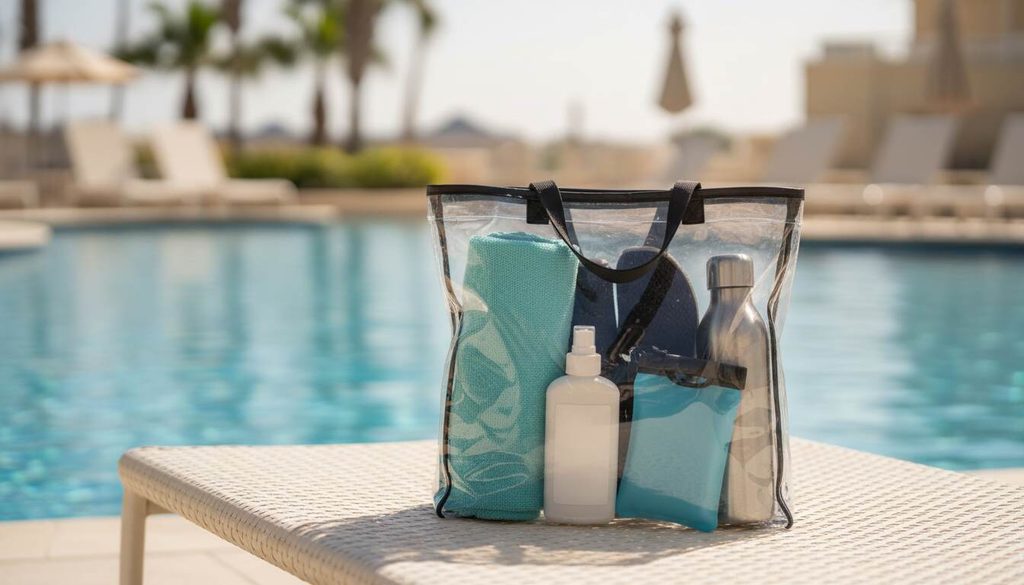
The Quick Answer: The Cheapest Water Park Day Strategy
If you want the cheapest plan that still feels like a real day:
1) Bring your own towel and water shoes.
2) Bring a small waterproof pouch for essentials so you can skip a locker or rent the smallest one.
3) Eat a real meal before you arrive, then buy one in-park meal max.
4) Drink free water all day and treat paid drinks like a planned splurge, not a reflex.
5) Decide now: no cabana. If you want shade, bring your own cheap shade plan (hat, rash guard, timing, and strategic seating).
6) Bring sunscreen you trust and reapply like it is your job.
That is the whole game. Water parks are expensive when you let the park solve problems for you at retail prices.
Why Water Parks Get Expensive So Fast
Theme parks tempt you with souvenirs and add-ons. Water parks tempt you with basic survival needs: shade, hydration, and a safe place to put your stuff. That is why the spending feels “inevitable.”
Here are the big cost accelerators:
Lockers: You feel forced into one because you cannot carry everything onto slides.
Towels: You forget one and now you are paying premium pricing for a towel you did not want.
Food and drinks: You are in the sun, you are constantly thirsty, and you snack more than you think.
Cabanas: They solve a real problem (shade plus a home base), but they are rarely the cheapest solution.
“We need it now” purchases: sunscreen, flip-flops, rash guards, goggles, phone pouches, and after-sun care.
The cheap way to do a water park day is basically: bring the survival stuff so you are not forced into buying it.
Lockers: The Cheapest Way To Handle Your Stuff
Lockers are the first decision that affects everything else. There is no universal rule because parks have different policies, but the cheapest strategy is always the same: bring less, keep essentials on you, and only rent the smallest locker you can get away with.
Option A: Skip A Locker (Cheapest, But Only If You Pack Smart)
This works if you are comfortable carrying a small amount of stuff and you do not bring anything you would panic about losing.
What you keep with you: a waterproof pouch with your phone (if you bring it), one card, ID, and a small amount of cash, plus a key if you drove.
What you do not bring: a big bag, extra outfits, expensive electronics, bulky towels for multiple people, or anything you cannot replace.
The reality check: This is cheapest, but it is not for everyone. If you are with kids, or you need medical supplies, or you hate the idea of leaving anything unattended, you will probably want a locker.
Option B: Rent The Smallest Locker That Fits Your Group (Best Balance)
If you bring one bag for the whole group and you pack tightly, you can usually fit into a smaller locker than you think. The trick is to avoid bringing bulky items that eat locker space, which is why bringing one compact towel per person matters.
Cheapest locker move: one locker for the whole group, not one per person. Make it the “home base” for sunscreen, towels, and dry clothes, and keep valuables minimal.
Option C: Accept The Locker As A Comfort Purchase (Still Budgetable)
Sometimes the cheapest day is not the best day. If a locker prevents stress, it is worth budgeting for. The key is to decide it ahead of time so it does not feel like a surprise expense.
Budget tip: treat the locker like parking. It is a fixed cost of doing the day, not an optional add-on you “failed” at avoiding.
Towels: The Cheapest Towel Strategy That Actually Works
Bring your own towel. That is it. That is the strategy.
But there are levels to it.
Bring A Compact, Fast-Drying Towel
A big fluffy bath towel is comfortable, but it is bulky and heavy. A compact microfiber travel towel is cheaper in the long run because it is easier to pack, dries faster, and fits in smaller lockers.
If you hate microfiber towels, bring a thin beach towel instead of a thick one. The goal is “dries you off and fits in your bag,” not “luxury spa towel.”
Bring One Towel Per Person (If You Can)
Sharing towels sounds fine until you are cold, wet, and trying to dry off while someone else is using it. If you are trying to avoid buying a towel at the park, bring enough towels to remove that temptation.
Bring A Plastic Bag For Wet Towels
This is the unglamorous part that saves your car from becoming a mildew experiment. A cheap plastic bag or a reusable wet bag keeps everything contained.
Food: The Cheapest Way To Eat At A Water Park
Water park food is usually expensive and often not particularly great. You are paying for convenience and the fact that you cannot easily leave and come back.
The cheapest strategy is to reduce how many meals you need to buy in the park.
Eat A Real Meal Before You Arrive
Do not show up hungry. If you arrive hungry, you will buy the first thing you see, and it will be overpriced, and you will probably buy snacks on top of it.
Eat a real breakfast or early lunch before you enter. Protein plus carbs. Something that actually sticks.
Plan For One In-Park Meal, Not A Constant Snack Drip
The budget killer is not one meal. It is the snack drip: “ice cream because it is hot,” “fries because we walked past them,” “another drink because we are thirsty,” “a pretzel because we are waiting.”
Pick one in-park meal and decide what it is going to be. Then treat snacks as optional, not inevitable.
Know Your Park’s Re-Entry Policy
Some water parks allow re-entry, some do not, some allow it with a stamp, and some allow it only under certain conditions. If re-entry is allowed, the cheapest move can be: leave for a quick meal outside the park and come back.
This is not always practical, but it is worth checking because it can cut food costs dramatically.
Bring Allowed Snacks If The Park Permits It
Some water parks allow small snacks, some allow sealed water bottles, some allow nothing. Always check the official rules for your specific park. If snacks are allowed, bring simple, non-melty, non-messy stuff: granola bars, crackers, fruit that can handle heat, and electrolyte packets.
If snacks are not allowed, do not try to be clever. The cheapest day is not the day you get stopped at security and have to throw away your food.
Drinks: The Cheapest Hydration Plan
This is where water park budgets quietly explode. You are in the sun, you are sweating, and you are constantly thirsty. If you buy every drink you want, you will spend a lot.
Use Free Water Like It Is Part Of The Ticket
Most parks have water fountains or refill stations. Bring a refillable bottle if allowed. If bottles are not allowed, bring an empty collapsible bottle if permitted, or plan to drink water at fountains.
Electrolytes Are Cheaper Than Constant Sports Drinks
If you are prone to headaches or you are doing a full-day sun marathon, electrolyte packets can be a cheap way to avoid buying multiple sports drinks. Just make sure your park allows outside drink mixes if you are bringing them in.
Set A Paid Drink Rule
If you love a frozen drink or a specialty lemonade, budget for it. But make it a rule: one paid drink per person. That single rule can save a surprising amount.
Cabana Temptation: When It Is Worth It (And When It Is Not)
Cabanas are the ultimate water park upsell because they solve real problems: shade, seating, and a home base. They also cost enough that they can double the cost of your day.
The cheapest way to do a water park day is almost always: no cabana.
The Honest Reason People Rent Cabanas
It is not just luxury. It is control. You have a guaranteed place to sit. You have shade. You have a place to put stuff. You do not have to play the “chair hunting” game.
If you are doing a family day with kids, or you have someone who cannot handle heat well, a cabana can be a comfort purchase that prevents the day from falling apart.
The Cheapest Alternatives To A Cabana
Arrive early: early arrival is the cheapest way to secure shade seating.
Wear your shade: hats, rash guards, and UV shirts are cheaper than renting shade.
Choose your base strategically: pick a less popular area that still has access to bathrooms and food.
Take a mid-day break: if your park allows re-entry, leaving during peak heat can be cheaper than buying shade.
When A Cabana Can Make Sense
If you are splitting the cost across a larger group and you know you will use it all day, it can become less outrageous. It is still not the cheapest option, but it can be the best “sanity per dollar” purchase for some groups.
If you are considering it, decide before you arrive. The worst time to decide is when you are already overheated and annoyed. That is when you will overpay out of desperation.
What To Bring: The Cheapest Packing List That Prevents Expensive Mistakes
This is the list that keeps you from paying water park prices for basic items.
Absolute Must-Bring Items
Towels: one per person if possible, compact and fast-drying.
Sunscreen: enough for reapplication. Bring more than you think you need.
Water shoes: cheap ones are fine. Hot pavement is real.
Waterproof pouch: for phone, card, ID, and key.
Plastic bag or wet bag: for wet towels and suits.
Hat and sunglasses: optional but very helpful for comfort.
Change of clothes: at least one dry outfit for the ride home.
Strongly Recommended Items
Rash guard or UV shirt: reduces sunscreen usage and sunburn risk.
After-sun care: aloe or soothing lotion for later, especially for kids.
Small first aid basics: band-aids, blister care, pain relief if you use it.
Electrolyte packets: if heat wipes you out.
What Not To Bring (If You Want The Cheapest Day)
Expensive jewelry: it will annoy you and you will worry about it.
Anything you cannot get wet: unless you have a secure plan for it.
Big bulky bags: they push you into bigger lockers.
Too many “just in case” items: the goal is to pack smart, not pack your whole house.
The Cheapest Water Park Day Budget (Realistic Ranges)
These ranges are for in-park spending, not tickets. Use them as a planning baseline.
Ultra-cheap day (planned, disciplined): locker optional, one meal, mostly free water, no cabana, no souvenirs.
Comfortable cheap day: small locker, one meal, one treat drink, and you brought everything else.
Solo: 25 to 70 dollars in-park spending, plus locker if needed.
Couple: 50 to 140 dollars in-park spending, plus locker if needed.
Family of four: 90 to 260 dollars in-park spending, plus locker if needed.
The reason these numbers can stay reasonable is simple: you are not buying towels, you are not buying sunscreen, you are not buying shoes, and you are not buying your way out of discomfort with a cabana.
FAQ
Do You Need A Locker At A Water Park?
You do not always need one, but it depends on your comfort level and what you bring. The cheapest approach is to pack light, keep essentials in a waterproof pouch, and rent the smallest locker only if you truly need it.
What Is The Biggest Money Trap At A Water Park?
The biggest traps are forgetting towels and sunscreen, buying drinks repeatedly all day, and renting a cabana out of heat frustration instead of planning shade and breaks.
Is A Cabana Worth It At A Water Park?
It is rarely the cheapest option. It can be worth it for large groups splitting the cost, families with heat-sensitive members, or anyone who values guaranteed shade and a home base more than saving money.
What Should You Bring To Avoid Buying Expensive Items At A Water Park?
Bring towels, sunscreen, water shoes, a waterproof pouch, a wet bag for towels, and a change of clothes. A rash guard and electrolyte packets can also prevent expensive comfort purchases.
How Can I Eat Cheap At A Water Park?
Eat a real meal before you arrive, plan for one in-park meal max, and use free water instead of buying drinks all day. If your park allows re-entry or outside snacks, that can cut costs even more.

Leave a Reply