There’s something magical about stepping into a space where roller coaster history comes alive. Whether you’re a hardcore enthusiast who can recite the specs of every legendary wooden coaster or a casual fan who just loves a good thrill, roller coaster museums offer a window into the engineering marvels, cultural moments, and human creativity that shaped the amusement industry. These aren’t just dusty collections of artifacts—they’re living tributes to the innovators, designers, and daredevils who pushed the boundaries of what’s possible on rails.
In this guide, we’ll explore some of the world’s best roller coaster museums, from massive institutions with operating vintage rides to intimate collections tucked away in unexpected places. Whether you’re planning a pilgrimage to coaster history or just curious about where to experience these treasures, this is your roadmap.
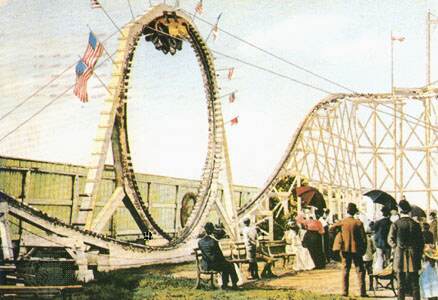
The Smithsonian’s National Museum of American History (Washington, D.C.)
The Smithsonian doesn’t have a dedicated coaster museum, but its American History collection includes significant roller coaster artifacts and exhibits that tell the story of amusement parks in American culture. You’ll find historical documents, photographs, and memorabilia that contextualize roller coasters within the broader narrative of American leisure and innovation.
What makes this worth a visit is the scholarly depth. The Smithsonian treats coasters as cultural artifacts—not just thrill machines, but reflections of American engineering ambition, social history, and entertainment values. If you’re in D.C. and want to understand coasters through a historical lens, this is essential.
The Lakemont Park & Leap-The-Dips Museum (Altoona, Pennsylvania)
Lakemont Park is home to Leap-The-Dips, the oldest operating roller coaster in the world (1902). But beyond the ride itself, the park has developed a small but meaningful museum dedicated to the coaster’s history and the broader story of wooden coaster engineering.
Walking through this museum feels like stepping back in time. You’ll see original blueprints, photographs from the early 1900s, and artifacts that show how Leap-The-Dips was built and maintained over more than a century. The real magic, though, is riding the coaster itself—experiencing the same thrills and engineering that guests enjoyed in 1902. It’s a humbling reminder of how well-designed these early wooden coasters were.
The Coney Island Museum (Brooklyn, New York)
Coney Island’s legendary amusement parks are largely gone, but the Coney Island Museum preserves their legacy with extensive exhibits on the boardwalk’s golden age. You’ll find artifacts from the Cyclone, the Thunderbolt, and other iconic rides that defined American amusement park culture in the early 20th century.
The museum captures not just the rides themselves, but the entire Coney Island experience—the crowds, the innovation, the cultural significance. It’s a bittersweet visit for coaster fans, as many of these legendary parks no longer exist, but the museum does an excellent job honoring their impact on American entertainment and engineering.
The American Coaster Enthusiasts (ACE) Archive & Collections
While not a traditional museum with a physical location open to the public, ACE maintains one of the world’s most comprehensive private archives of roller coaster history, including photographs, documents, and memorabilia. ACE members have access to these collections, and the organization frequently exhibits materials at conventions and special events.
If you’re serious about coaster history, joining ACE gives you access to resources that most casual visitors won’t find anywhere else. The organization also publishes detailed historical research and maintains databases of coaster specifications and histories.
The Kennywood Museum (West Mifflin, Pennsylvania)
Kennywood, one of America’s oldest continuously operating amusement parks (founded 1898), has integrated museum exhibits throughout the park that tell the story of its legendary rides and cultural significance. The park’s commitment to preserving its wooden coaster heritage—particularly the Thunderbolt and the Racer—makes it a living museum of coaster engineering.
What’s special about Kennywood is that you can experience the history while riding it. The Thunderbolt, built in 1924, is still thrilling riders with its classic wooden coaster design. The park’s museum exhibits provide context for understanding why these rides were revolutionary and how they’ve endured for a century.
The Cedar Point Museum & Heritage Collection (Sandusky, Ohio)
Cedar Point, home to some of the world’s most iconic roller coasters, has developed exhibits and a museum presence that celebrates its own history and the broader story of coaster innovation. The park’s collection includes artifacts from legendary rides like the Millennium Force, Top Thrill Dragster, and the classic wooden coasters that defined the park’s early years.
Cedar Point’s museum experience is integrated into the park itself—you’ll find historical plaques, photographs, and artifacts throughout the grounds. For serious enthusiasts, this is pilgrimage territory. The park’s commitment to pushing coaster engineering boundaries makes it a living laboratory of innovation.
The Busch Gardens Williamsburg Heritage Collection (Williamsburg, Virginia)
Busch Gardens Williamsburg combines theme park entertainment with historical preservation. While not exclusively focused on roller coasters, the park’s museum exhibits include significant coaster artifacts and tell the story of how amusement parks have evolved as cultural institutions.
The park’s approach to blending history with entertainment makes it a unique experience. You can learn about coaster engineering and amusement park culture while enjoying themed attractions and rides.
The Hersheypark Museum & Chocolate World (Hershey, Pennsylvania)
Hersheypark’s museum exhibits celebrate the park’s 130+ year history and its role in American amusement park culture. While Chocolate World focuses on the candy brand’s story, Hersheypark itself maintains exhibits on its iconic wooden coasters and the engineering innovations that have made it a destination for enthusiasts.
The park’s commitment to preserving classic wooden coasters like Skyrush and Candymonium (alongside modern innovations) makes it a living museum of coaster design evolution. The exhibits provide context for understanding how coaster engineering has changed over more than a century.
The Roller Coaster Database & Online Archives
While not a physical museum, the Roller Coaster Database (RCDB) and similar online archives represent a modern form of coaster preservation. These comprehensive databases document every roller coaster ever built, with photographs, specifications, and historical information.
For researchers and enthusiasts, these online resources are invaluable. They allow you to explore coaster history from anywhere in the world and track the evolution of design, engineering, and innovation across decades.
Regional & Smaller Collections Worth Exploring
Beyond the major institutions, many regional parks and smaller museums maintain coaster collections. Kennywood’s sister parks, Idlewild & SoakZone, and Conneaut Lake Park all have museum exhibits that celebrate their coaster heritage. Dorney Park, Waldameer Park, and other historic amusement parks also preserve their histories through exhibits and maintained classic rides.
These smaller collections often offer a more intimate experience. You might find yourself in a small museum room with a handful of artifacts, but the personal connection to local coaster history can be profound.
Planning Your Coaster Museum Pilgrimage
If you’re serious about experiencing roller coaster history, consider planning a regional tour. The Northeast has the highest concentration of historic parks and museums, with Cedar Point, Kennywood, Hersheypark, and Coney Island all within driving distance of each other.
Budget time not just for museums, but for riding the historic coasters themselves. Leap-The-Dips, the Thunderbolt, the Cyclone (if you can find it operating), and other vintage rides are living artifacts. Experiencing them is part of understanding coaster history.
The Future of Coaster Preservation
As amusement parks continue to evolve and older rides are retired, the importance of coaster museums and preservation efforts grows. Organizations like ACE and individual parks are working to document, preserve, and celebrate coaster history before it’s lost.
Supporting these efforts—whether by visiting museums, joining enthusiast organizations, or advocating for the preservation of historic rides—helps ensure that future generations can experience and learn from coaster engineering history.
Conclusion: Honoring Innovation & Engineering Excellence
Roller coaster museums aren’t just about nostalgia. They’re about honoring the engineers, designers, and innovators who pushed the boundaries of what’s possible. They’re about understanding how these machines reflect American values—ambition, innovation, and the desire to experience something thrilling and transformative.
Whether you visit a major institution like the Smithsonian or a small regional collection, you’re participating in the preservation of engineering history. You’re honoring the people who built these machines and the millions who’ve experienced the joy and wonder of a great coaster. That’s worth celebrating.
