The best roller coasters for kids are not the biggest ones. They’re the coasters that feel exciting without feeling punishing, and they’re predictable enough that a child can learn what a coaster feels like without getting scared off for years.
This guide is worldwide, but it’s also practical: I’m focusing on coaster types you can find in many parks, plus a shortlist of famous “kid-friendly but still awesome” coasters that families travel for.
If you’re also navigating fear (for kids or adults), this is a helpful companion: Overcome Roller Coaster Phobia.
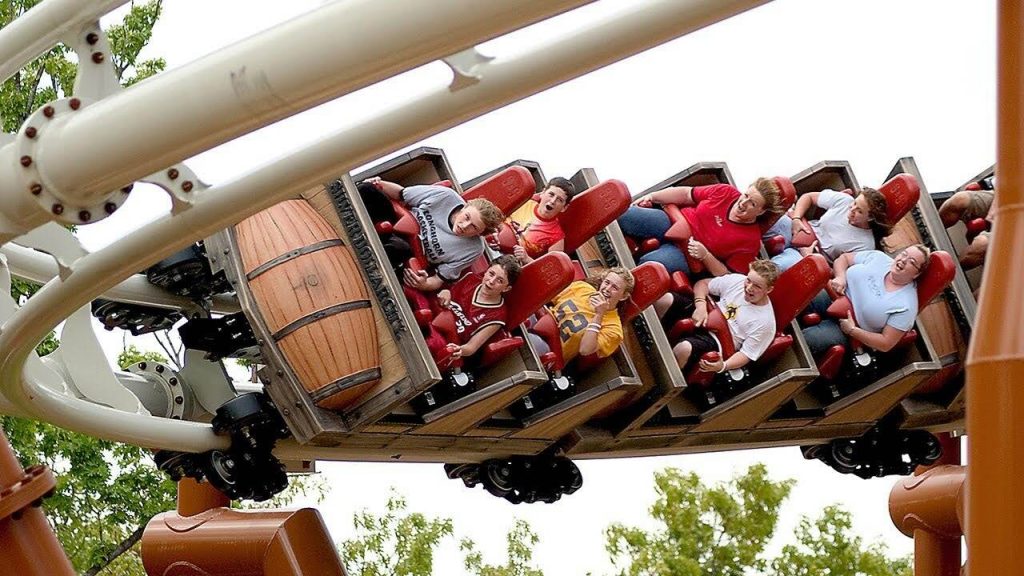
The Quick Answer: What Makes A Coaster Good For Kids?
- Low minimum height (or at least a realistic one for elementary-age kids)
- Smooth track (roughness is what turns “fun scary” into “never again”)
- Lap bars that feel secure without squeezing too hard
- Short ride time (kids can build confidence in small doses)
- Clear theming or a story (gives their brain something to focus on besides fear)
- Gentle forces (less head snapping, less sudden sideways whipping)
One important reminder: height requirements vary by park, even for the same ride model. Always check your park’s official height chart before promising a kid they can ride.
The Best Kid Coasters Are Usually “Family Coasters” (Not “Kiddie Coasters”)
Manufacturers build a whole category called family coasters. These are designed to be fun for kids and still enjoyable for adults, with comfortable restraints and lower maintenance demands than extreme thrill coasters.
For example, manufacturers like Vekoma and Zamperla explicitly market family coaster models built for children and parents to ride together.
Best Roller Coasters For Kids, By Confidence Level
Level 1: First Coaster Ever (Tiny Drops, Big Smiles)
Legoland Dragon Coasters (Legoland Parks, Multiple Countries)
These are some of the best “first real coaster” experiences for kids because they’re themed, smooth, and designed to feel like a big moment without being overwhelming. They’re also great for kids who need a story to stay calm.
Seuss Landing Coaster Options (Universal Orlando, United States)
These are excellent for very young kids because they’re gentle and bright, and the environment feels playful instead of intimidating. For many kids, the setting matters as much as the ride.
Level 2: The Perfect Family Coaster (Kid-Friendly, Still Feels Fast)
Big Thunder Mountain Railroad (Disney Parks, Multiple Countries)
This is one of the best “family thrill” coasters ever built. It feels fast and exciting, but it’s not built around extreme height or intense inversions. It’s also a confidence builder because it’s fun in a way that feels like an adventure, not a test.
Seven Dwarfs Mine Train (Magic Kingdom, Walt Disney World, United States)
This is a near-perfect “step up” coaster for kids who are ready for something a little bigger but still want smoothness and theming. It’s also a great ride for anxious kids because it feels controlled and friendly.
Arthur (Europa-Park, Germany)
This is a standout family coaster because it blends coaster movement with a themed experience that feels immersive. Kids who love story-driven rides often do better on coasters like this because they’re focused on what they’re seeing, not just what they’re feeling.
Level 3: Kids Who Want “A Real Thrill” (But Not A Trauma Ride)
Hagrid’s Magical Creatures Motorbike Adventure (Universal’s Islands of Adventure, United States)
For many kids, this is the perfect “I want a big coaster but I’m not ready for the huge stuff” ride. It’s long, it’s story-heavy, and it’s broken into sections, which makes it feel less like one continuous fear moment.
Expedition Everest (Disney’s Animal Kingdom, United States)
This is a great “first big coaster” for older kids because it’s smooth, well-paced, and exciting without being a pure intensity machine. It’s also a good test of whether your kid is ready for bigger drops and stronger forces.
Level 4: The First Inversion (When Kids Want To Go Upside Down)
For many kids, the first inversion is more about bragging rights than fear. The key is choosing a smooth coaster with clean elements, not an older ride that bangs heads around.
A Modern, Smooth Inverting Coaster (Pick The Newer One In Your Park)
Instead of naming one inversion coaster and pretending it’s universal, here’s the practical rule: if your park has multiple inverting coasters, the newer, smoother one is usually the better “first inversion” choice for kids.
If you want the “why does this restraint feel different?” explanation that helps kids feel safer, this is useful: Why Roller Coasters Have Different Restraints.
What To Avoid If You Want Kids To Love Coasters
- Rough wooden coasters as a first coaster (they can feel painful even if they’re not “scary”)
- Spinning coasters for kids who get motion sick easily
- Older coasters with hard over-the-shoulder restraints if headbanging is common
- Huge first drops as the first “big coaster” step
Where Kids Should Sit On A Coaster
- Middle rows are usually the calmest, most balanced seats
- Front row can feel less forceful on drops, but more visually intense
- Back row often feels more intense, especially on drops and airtime
For most kids, the middle is the best first choice.
A Simple “Kid Coaster Progression Plan” For Any Park
- Ride 1: the smallest coaster in the park
- Ride 2: the same coaster again (confidence is built by repetition)
- Ride 3: a family coaster with a little more speed
- Ride 4: a bigger family coaster with a taller drop
- Ride 5: one new sensation (launch OR inversion OR stronger airtime, not all at once)
If you’re visiting with a big group or extended family, planning the “kid progression” ahead of time prevents pressure and tears: Theme Park Planning For Large Groups.

Leave a Reply