Cedar Point isn’t called The Roller Coaster Capital of the World by accident. Even if you’ve been to other major parks, Cedar Point hits different: the skyline is basically a forest of lift hills, the wind off Lake Erie changes how the park feels hour to hour, and the coaster lineup is deep enough that you can build an entire trip around your personal taste.
This guide is built for real planning, not just hype. I’m going to walk you through what makes Cedar Point special, how to choose coasters based on your comfort level, what each ride feels like in plain language, and how to structure your day so you’re not wasting half of it walking back and forth across the peninsula. If you’re trying to keep costs under control, my budget theme park vacation guide helps a lot before you even buy tickets.
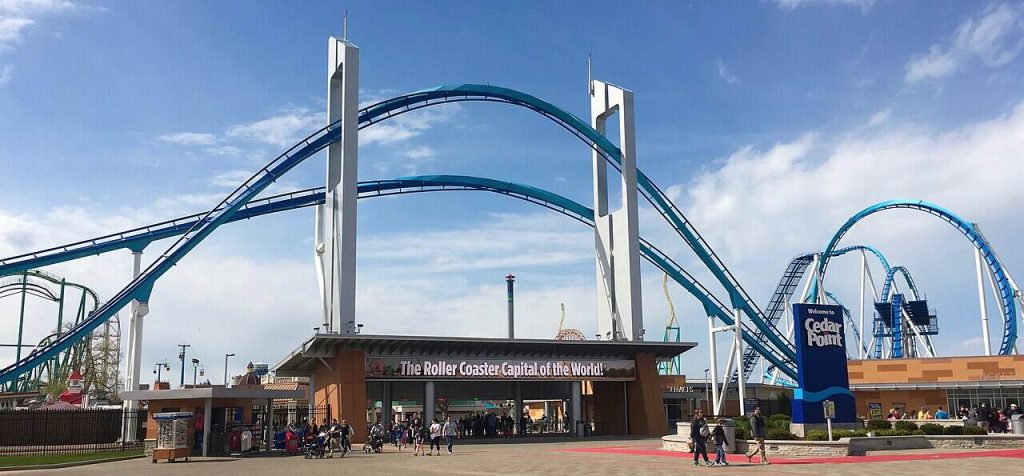
Why Cedar Point Feels Different From Other Parks
Cedar Point sits on a narrow peninsula that sticks into Lake Erie. That geography shapes everything:
- The Skyline Is Visible From Everywhere: you’re constantly seeing coasters in the distance, which makes the park feel bigger and more intense.
- Wind And Weather Matter: lake wind can change the vibe, cool you down, and sometimes affect operations.
- Long Walks Are Part Of The Deal: this is not a “casual stroll” park if you want to ride everything.
- The Lineup Has Range: you can go from classic wood to modern steel to intense inversions to family coasters without leaving the park.
If you want a quick reality check on what’s open before you commit to a whole plan, Cedar Point’s official rides and experiences page is the easiest place to verify what’s operating.
Before You Go: What To Know About Planning A Cedar Point Coaster Day
Decide What “Success” Means For Your Trip
Cedar Point days go best when you pick a goal:
- Credit Run Day: ride as many coasters as possible, even if you don’t re-ride.
- Top Tier Day: focus on the headliners and re-ride your favorites.
- Mixed Group Day: balance thrill rides with breaks, food, and lower-intensity options.
Trying to do all three at once is how people end up cranky by 3 PM.
Understand The Park Layout (So You Don’t Walk Yourself Into The Ground)
Cedar Point is long and narrow. The front of the park is where many guests enter, but several major coasters are deeper in.
A smart strategy is to:
- Start with the area that will get crowded later.
- Work your way in one direction instead of zig-zagging.
- Plan breaks near clusters of rides.
Weather And Comfort Matter More Than You Think
Cedar Point is a “sun + wind + concrete” kind of park.
Bring or plan for:
- Sunscreen and water (seriously)
- A light layer for wind off the lake
- Comfortable shoes (you will do miles)
- A plan for loose items (many coasters are strict)
Also, if you’re the type who gets lightheaded on intense rides, it’s worth understanding what g-forces actually do to your body. This is the plain-English version: Why Do People Faint on Roller Coasters?
Related Post: How Roller Coasters Work
How To Choose Which Cedar Point Coasters To Ride First
If you’re overwhelmed by the lineup, use this decision tree.
If You Want The Biggest, Most Intense Coasters
Prioritize:
- The tallest and fastest rides
- The rides with strong airtime and sustained speed
- The rides with reputations for intensity
If You Want Smooth, Modern Steel Coasters
Prioritize:
- Newer track styles and modern profiling
- Coasters known for graceful transitions and clean airtime
If You Love Classic Wood Coasters
Prioritize:
- The park’s historic wooden rides
- Night rides if available (wood coasters can feel wilder in the dark)
If You’re With Kids Or A Mixed Group
Prioritize:
- Family coasters early (lines can get long)
- A mix of thrill and recovery rides
If you’re visiting with kids (or anyone right on the edge of requirements), Cedar Point’s official accessibility and height requirements page is worth checking before you promise anyone a specific ride.
Cedar Point Coaster Guide: What Each Roller Coaster Feels Like
This section is meant to be practical. I’m not going to just say “it’s awesome.” I’m going to tell you what your body will notice. If you like the history side of why modern rides feel smoother (and why safety systems changed so much), How Roller Coasters Safely Evolved is a good rabbit hole.
Steel Vengeance
Steel Vengeance is the coaster people travel for. It’s a hybrid (wood structure with steel track) and it’s built around relentless airtime and speed.
What it feels like:
- Fast, aggressive pacing with very little downtime
- Airtime that keeps coming, even when you think the ride should be calming down
- A sense of “out of control” in the best way, because it dives through its own structure
Who it’s best for:
- Airtime lovers
- Riders who want intensity without a lot of inversion focus
Who should be cautious:
- Anyone sensitive to sustained intensity or who gets overwhelmed by nonstop pacing
Millennium Force
Millennium Force is a legend. It’s a giga coaster known for height, speed, and that smooth, soaring feeling.
What it feels like:
- A massive first drop that feels clean and confident
- High-speed turns that feel like flying more than fighting
- A “big coaster” experience that’s intense but not chaotic
Who it’s best for:
- People who want speed and height with a smooth ride
- Riders who want a classic Cedar Point headliner
Maverick
Maverick is compact, punchy, and unpredictable. It’s the coaster that feels like it’s constantly changing its mind.
What it feels like:
- Quick acceleration and sudden directional changes
- Strong, snappy forces in a smaller footprint
- A ride that feels “wild” without needing extreme height
Who it’s best for:
- People who love intensity in short bursts
- Riders who like launches and aggressive transitions
Top Thrill 2
Top Thrill 2 is built around the idea of pure acceleration and height. It’s a “moment” coaster: the anticipation, the launch, the skyline, the return.
What it feels like:
- High adrenaline from the start
- A focus on launch power and vertical height rather than a long layout
- A ride that’s more about the experience of speed than about airtime
Who it’s best for:
- Riders who want the biggest “I can’t believe I did that” moment
Who should be cautious:
- Anyone who dislikes intense launches or is sensitive to sudden acceleration
Valravn
Valravn is a dive coaster. The whole point is the hang time at the edge and the dramatic drop.
What it feels like:
- A slow creep to the edge
- A pause that makes your stomach float
- A clean, dramatic drop and then a smooth sequence of elements
Who it’s best for:
- People who love height and that “hanging” feeling
- Riders who want inversions without a chaotic ride style
GateKeeper
GateKeeper is a wing coaster, meaning the seats are on the sides of the track with nothing above or below you.
What it feels like:
- A graceful, open-air sensation
- Inversions that feel floaty rather than aggressive
- A “pretty” ride experience, especially near the front
Who it’s best for:
- Riders who want something thrilling but not punishing
- People who love the sensation of exposure
Raptor
Raptor is a classic inverted coaster. It’s fast, forceful, and very “old school intense.”
What it feels like:
- Strong positive G-forces
- Tight inversions and quick transitions
- A ride that can feel intense in your legs and core
Who it’s best for:
- Invert fans
- Riders who like forceful coasters
Rougarou
Rougarou is a floorless coaster. It has inversions and a more traditional looping coaster feel.
What it feels like:
- A mix of inversions and sweeping turns
- A ride that can feel a bit head-shaky for some riders
Who it’s best for:
- People collecting credits
- Riders who like classic loop-focused layouts
Magnum XL-200
Magnum is a historic hyper coaster and it rides like one. It’s famous for its airtime moments, especially later in the ride.
What it feels like:
- A classic, slightly raw ride style
- Airtime that can feel sharp and surprising
- A layout that builds toward a finale that hits hard
Who it’s best for:
- People who love coaster history
- Riders who enjoy a more old-school feel
Who should be cautious:
- Anyone sensitive to roughness or sharp airtime
Gemini
Gemini is a racing coaster with a fun, classic vibe.
What it feels like:
- A friendly thrill level
- Lots of fun interaction with the other train
- A ride that feels like a throwback in the best way
Who it’s best for:
- Families and mixed groups
- People who want something fun without being extreme
Blue Streak
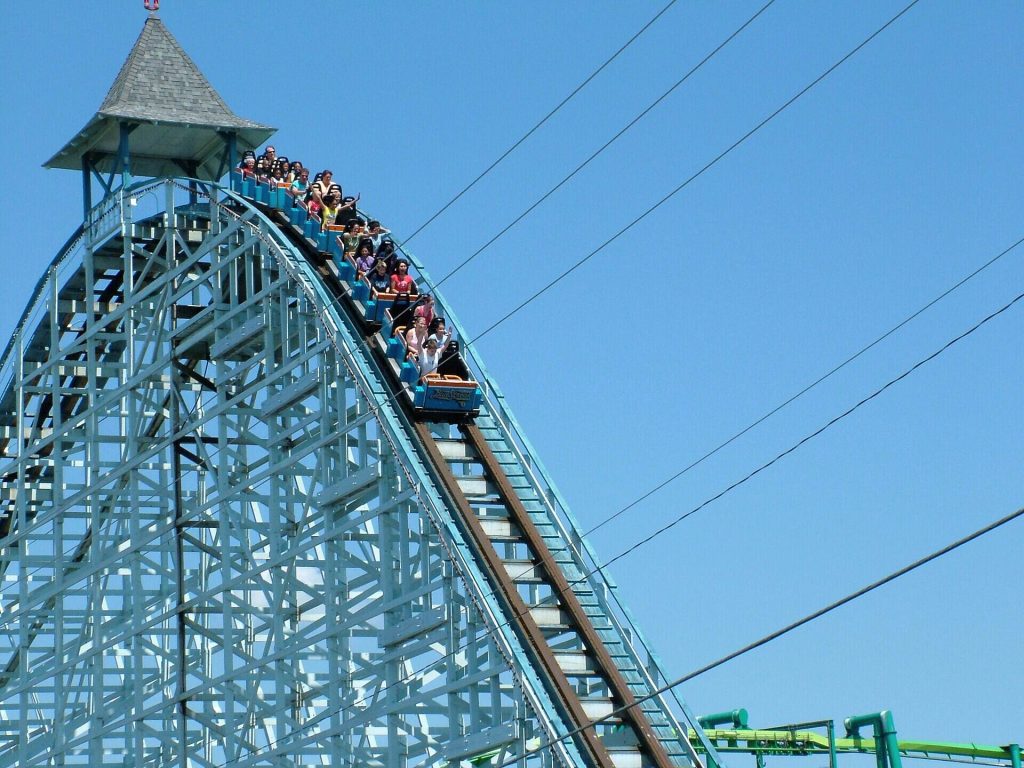
Blue Streak is a classic wooden coaster. It’s not the biggest, but it’s charming.
What it feels like:
- Classic wood coaster movement
- A simple layout that’s more about fun than fear
Who it’s best for:
- Families
- People who want a historic ride
Corkscrew
Corkscrew is a classic Arrow coaster with a very old-school profile.
What it feels like:
- Tight transitions
- A short, punchy experience
- A ride that some people find rough
Who it’s best for:
- Credit collectors
- People who enjoy classic Arrow coasters
Iron Dragon
Iron Dragon is a suspended coaster that swings as it turns.
What it feels like:
- Gentle swinging motion
- A scenic, relaxing vibe compared to the big rides
Who it’s best for:
- Families
- People who want a break between intense coasters
Wilderness Run (And Other Kid Coasters)
Cedar Point has smaller coasters aimed at kids and families.
What they feel like:
- Short, gentle rides
- Great “first coaster” experiences
Who they’re best for:
- Kids building confidence
- Adults who want a low-stress ride
Related Post: How do Roller Coasters Stay on the Tracks?
Suggested Cedar Point Coaster Itineraries
Itinerary 1: First-Timer Headliner Day
- Start with a top headliner early
- Ride a second major coaster before midday crowds
- Use midday for food and lower-intensity rides
- Return to headliners late afternoon or evening
Itinerary 2: Airtime Lover Day
- Prioritize rides known for airtime and pacing
- Plan breaks so you don’t burn out
Itinerary 3: Mixed Group Day
- Alternate intense rides with gentler coasters
- Build in shade and hydration stops
Tips That Make Cedar Point Better (And Less Exhausting)
- Hydrate Like It’s A Job: lake wind can trick you into thinking you’re not getting dehydrated.
- Don’t Over-Zig-Zag: pick a direction and commit.
- Ride Your “Maybe” Coasters Early: if you’re unsure about intensity, do it before you’re tired.
- Save A Favorite For Night: if you can, night rides can feel faster and more dramatic.
FAQs About Cedar Point Roller Coasters
Is Cedar Point Good For People Who Don’t Like Extreme Coasters?
Yes, but you’ll want to plan intentionally. There are family coasters and classic rides that are thrilling without being overwhelming.
How Many Coasters Can You Ride In One Day?
It depends on crowds and strategy. On a slower day with a solid plan, you can ride a lot. On a packed day, you may need to prioritize. If you’re trying to avoid the “I walked 18 miles and rode three things” outcome, it helps to commit to one direction through the park and stick with it.
What’s The Best First Big Coaster At Cedar Point?
For many people, a smooth, high-profile ride with a clean layout is a great first step before the more aggressive coasters. Millennium Force and GateKeeper are common “first big coaster” picks because they’re intense, but they’re not as whippy or relentless as some of the newer monsters. If fear is the main issue (not motion sickness), Roller Coaster Phobia: How to Overcome Fear of Coasters can help you get past the mental wall without feeling like you’re being yelled at.
Are Cedar Point Roller Coasters Safe?
Yes. Serious incidents are rare, and modern parks run on layers of safety systems, inspections, and procedures. That said, “safe” doesn’t mean “your body will love it,” especially if you’re dehydrated, overheated, or sensitive to g-forces. If you want a deeper, data-forward look at how risk actually works (and what people usually misunderstand), these two posts are good context: Accidents on Roller Coasters: Understanding Risk, Safety, and What Really Happens and How Many People Have Died From Roller Coasters?
What If I Get Dizzy Or Feel Like I Might Black Out?
It happens to some people, and it’s usually about blood pressure and sustained positive g-forces, not you “being dramatic.” Hydrate, eat something with salt and protein, and don’t stack forceful rides back-to-back if you know you’re prone to it. If you want the science explanation in plain language, here it is: Why Do People Faint on Roller Coasters?
Do I Need To Check Height Requirements Before I Go?
If you’re visiting with kids, yes, absolutely. It saves a lot of disappointment and line-wait heartbreak. Cedar Point keeps the official info updated here: accessibility and height requirements.
Final Thoughts
Cedar Point is one of those parks where a little planning makes the whole day feel twice as good. Pick your “success goal,” commit to a direction through the park, build in breaks before you’re exhausted, and don’t be afraid to skip a coaster that doesn’t match your body’s limits that day. You can always come back and do the rest when you’re not running on sun, wind, and spite.

Leave a Reply