Roller coasters are more than just amusement park rides—they’re feats of engineering, sources of adrenaline, and the heart of theme park culture. Whether you’re a seasoned thrill seeker or a curious first-timer, there’s a world of fun facts, history, and tips to explore. In this comprehensive guide, we dive deep into the wild world of roller coasters, covering everything from their surprising origins to the latest world records and the best strategies for getting the most out of your next ride.
The Surprising History of Roller Coasters
Did you know roller coasters can trace their roots back to 17th-century Russia? Early versions were giant wooden slides covered in ice, known as “Russian Mountains.” Riders would zoom down on sleds, often at breakneck speeds. This icy tradition inspired the creation of the first wheeled roller coasters in Paris in 1817, called “Les Montagnes Russes.” These rides set the stage for the roller coaster revolution that would sweep across Europe and America.
In the United States, roller coasters gained popularity in the late 1800s. The switchback railway at Coney Island is often credited as one of America’s earliest roller coasters. Interestingly, these rides were promoted as a way to keep people away from saloons and offer wholesome entertainment!
Record-Breaking Roller Coasters Around the World
- Tallest Roller Coaster: Kingda Ka at Six Flags Great Adventure in New Jersey towers at 456 feet. It launches riders at 128 mph in just 3.5 seconds!
- Fastest Roller Coaster: Formula Rossa at Ferrari World in Abu Dhabi holds the speed record at 149 mph. Riders wear goggles for protection against the wind.
- Longest Roller Coaster: Steel Dragon 2000 in Japan stretches over 8,000 feet, offering a ride that lasts more than four minutes!
- Oldest Operating Coaster: Leap-the-Dips in Pennsylvania, USA, built in 1902, is the oldest wooden roller coaster still running.
Engineering Marvels: How Roller Coasters Work
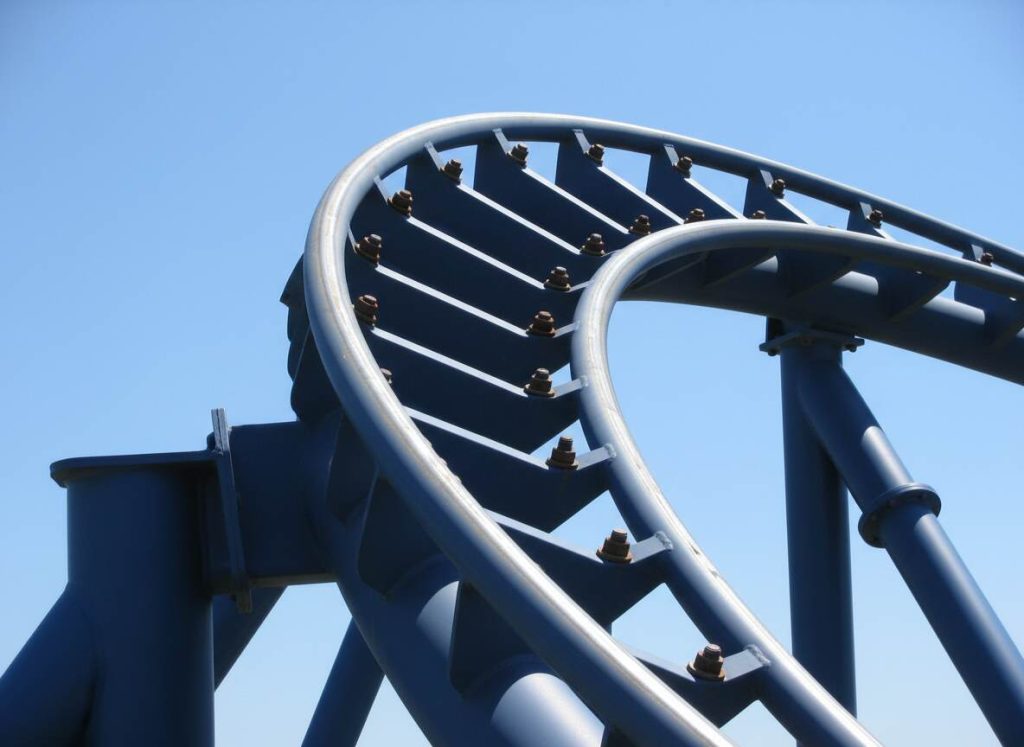
Modern roller coasters are marvels of design and safety. The loops you see aren’t perfect circles—they’re shaped as clothoids, which make the ride smoother and safer for riders. Magnetic launches, steel tracks, and computer-controlled safety systems have revolutionized the industry, pushing the limits of speed and creativity.
Roller Coaster Fun Facts and Trivia
- Roller coasters can travel over 60 miles per day just from repeated rides.
- The first vertical loop appeared in 1846, but it took until the 1970s for safe, smooth looping coasters to become popular.
- Some coasters use water or sand inside the rails to reduce noise.
- There’s a roller coaster in Japan where you ride standing up!
- The world’s steepest coaster, Takabisha in Japan, features a 121-degree drop.
Why Do We Love Roller Coasters?
Riding a roller coaster triggers a rush of adrenaline and endorphins, giving us that famous “thrill” feeling. Studies show that people who enjoy coasters often crave novel experiences and love a good challenge.
Tips for Roller Coaster Thrill Seekers
- Front Seat vs. Back Seat: The front offers the best view, while the back provides the most intense ride.
- Night Rides: Riding at night changes the whole experience—lights, sounds, and surprises feel totally different.
- Stay Hydrated: It’s easy to forget, but drinking water keeps you feeling great all day.
- Check Height Restrictions: Some of the wildest coasters are only for true daredevils!
- Secure Loose Items: Launches and flips can send hats and phones flying.
The Roller Coaster Community
Roller coaster fans are a passionate bunch. From online forums to fan clubs, there’s a worldwide community sharing ride reviews, trip reports, and even organizing group coaster trips. Sharing personal experiences, photos, and tips keeps the excitement alive long after the ride ends.
Unique Roller Coaster Experiences
- Themed Rides: Many parks now offer immersive coaster experiences with storytelling, music, and special effects.
- Record Attempts: Some fans travel the world to ride as many coasters as possible—there are even “coaster credits” to track your rides!
- User-Submitted Stories: Blogs and websites featuring real rider stories, interviews with coaster designers, and behind-the-scenes park tours are popular.
Conclusion: Why Roller Coasters Will Always Thrill Us
From their icy origins in Russia to today’s high-tech marvels, roller coasters continue to push boundaries and capture our imaginations. Whether you’re chasing records, conquering fears, or just looking for a fun day out, there’s always something new to discover. So buckle up, hold on tight, and enjoy the ride!

Leave a Reply