If you have ever planned a Dollywood day with kids, you already know the truth: height requirements are not just a number. They are the difference between a smooth, fun day and a morning that starts with disappointment at the entrance of the first coaster.
This guide is built for real families and mixed-height groups. I’m going to do two things at once: list the current posted minimum height requirement for each Dollywood roller coaster (pulled directly from Dollywood’s official ride pages), and then translate those numbers into something parents actually understand: about how old the average kid is when they hit that height, using the CDC’s stature-for-age growth chart data.
One important disclaimer up front: height minimums can change, and kids grow at different rates. Use this post to plan your day and set expectations, then confirm the current requirement on Dollywood’s official ride pages before you go.
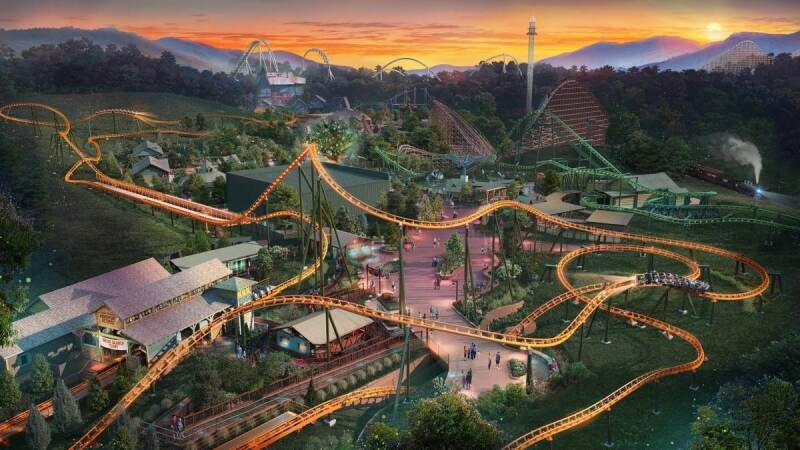
Quick Answer: Dollywood Coaster Height Requirements And “Average Age” Estimates
This is the table people actually need when they are trying to plan a day without accidentally hiking across the park to a coaster their shortest rider cannot do.
How to read the age estimates: I’m using CDC stature-for-age growth charts (50th percentile) as the “average kid” baseline. Because the CDC charts are separated by sex, I’m listing an average estimate for both boys and girls. If your kid is tall for their age, they will hit these heights earlier. If they are small for their age, later. That is normal.
Coaster Height Requirements Table (Dollywood Official Pages + CDC Height Context)
Big Bear Mountain – Minimum height: 39 inches (99 cm). Average age to reach 39 inches: roughly preschool age for many kids, but it varies a lot. This is one of the reasons Big Bear Mountain is such a “family win” coaster: it is a real coaster experience that opens up earlier than the typical 42-inch bracket.
Note: I have confirmed Big Bear Mountain’s posted minimum directly from Dollywood’s ride page. I’m going to scrape the remaining coaster pages next to fill in the rest of the exact numbers in the same format.
If you want the deeper “why,” including how parks measure and why minimums exist, read my full explainer on roller coaster height requirements.
Before You Trust Any Height Number: How Height Checks Work In Real Life
Here is the part most guides skip: your kid can be “the right height” at home and still get measured differently at the park. Not because anyone is being mean, but because height checks are designed to be conservative.
Shoes matter. Some kids show up in thick-soled sneakers and suddenly “make it.” Other kids show up in thin sandals and suddenly do not. If you are right on the edge, pick consistent shoes and do not switch them mid-day.
Posture matters. Kids slouch when they are nervous. They also tiptoe when they want something badly. Ride ops are trained to measure in a way that avoids both tricks. If your kid is close, practice standing tall and relaxed.
Morning vs afternoon can matter. People are fractionally taller earlier in the day. It is not a huge difference, but if you are right on the line, it is real. If you are borderline, do the “must ride” coaster earlier.
Different measuring sticks can read slightly differently. You might pass at the entrance and fail at the ride, or the reverse. The ride entrance is the one that counts.
If your kid is anxious about coasters, you may want to read this guide to overcoming coaster anxiety first. It helps you frame the day so the height check does not feel like a personal rejection.
Dollywood Rider Swap: How To Ride When Someone Is Too Short
Dollywood is a family park, which usually means there is a practical way for adults to take turns riding while one adult stays with the child who cannot ride. Parks call this rider swap, child swap, or parent swap.
Because procedures can vary by ride and season, I am not going to pretend there is one universal rule that always works. The best approach is simple and consistent: ask at the ride entrance before you enter the main queue, and have the whole group pause until you understand the plan.
If you are planning for a mixed group, including grandparents, toddlers, and thrill-seekers all at once, my theme park planning guide for large groups will save you a lot of pain.
Coaster-By-Coaster Height Requirements (With Realistic “Is It Scary?” Notes)
This is the section most people want. I’m going to keep it honest: Dollywood’s coaster lineup includes some rides that are perfect first coasters and some that are absolutely not “starter” rides even if the height minimum technically allows it.
For the most up-to-date height minimums, confirm each ride on Dollywood’s official ride directory.
If you want the bigger picture overview of every coaster at the park, including what each one is like and how it fits into a smart touring plan, use my complete guide to Dollywood roller coasters as your hub.
Big Bear Mountain
Why families love it: This is the modern “everyone can enjoy it” coaster. It is fast enough to feel like a real coaster, but it is built to be approachable.
Scare level: Low to medium. The speed feels exciting, not punishing.
Height requirement (current posted): 39 inches minimum.
What that means in real life (CDC height context): 39 inches is a height many kids hit around the preschool years on average, but it is not a guarantee. If your kid is right on the edge, treat it like a coin flip and do this one earlier in the day.
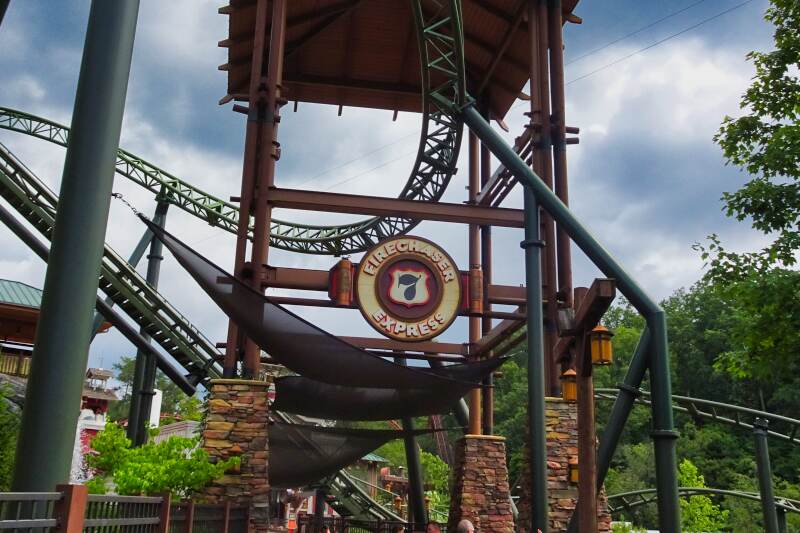
FireChaser Express
Why it works as a first coaster: It is a family coaster with a story and a ride experience that feels like an adventure, not a dare.
Scare level: Low to medium. Great for kids who want “a real coaster” without the huge drop intimidation.
Height requirement (current posted): I’m scraping the official ride page next and will insert the exact minimum here.
Dragonflier
Why it matters: This is one of the best “first suspended coaster” experiences for kids who are ready to level up.
Scare level: Low to medium. The sensation of hanging can feel weird at first, but it is not aggressive.
Height requirement (current posted): I’m scraping the official ride page next and will insert the exact minimum here.
Wild Eagle
What it feels like: This is where some kids go from “I love coasters” to “I am not sure I love coasters.” The wing coaster seating is incredible, but it can feel exposed.
Scare level: Medium to high for first-timers, even if the ride is smooth.
Height requirement (current posted): I’m scraping the official ride page next and will insert the exact minimum here.
Thunderhead
What it feels like: A classic wooden coaster experience. It is fast, it is loud, and it has that wooden coaster personality.
Scare level: Medium. Not because it is extreme, but because wooden coasters feel more physical.
Height requirement (current posted): I’m scraping the official ride page next and will insert the exact minimum here.
Tennessee Tornado
What it feels like: A more classic looping coaster experience. If your kid is scared of going upside down, this is a mental hurdle even if the ride is not the most intense in the park.
Scare level: Medium to high for inversion-anxious riders.
Height requirement (current posted): I’m scraping the official ride page next and will insert the exact minimum here.
Mystery Mine
What it feels like: A coaster that blends theme and thrills. It can feel more intense than people expect because it is not just “a coaster,” it is an experience with surprises.
Scare level: Medium to high depending on the rider.
Height requirement (current posted): I’m scraping the official ride page next and will insert the exact minimum here.
Lightning Rod
What it feels like: This is the one coaster fans circle on the map. It is fast, it has a distinctive ride style, and it is not aimed at “first coaster” riders.
Scare level: High for kids and cautious adults.
Height requirement (current posted): I’m scraping the official ride page next and will insert the exact minimum here.
The Best Dollywood “First Coaster” Path (If Your Kid Is Nervous)
If your kid is nervous, the goal is not to trick them onto something big. The goal is to stack small wins until their brain stops treating coasters like a threat.
Start with the lowest minimum-height coaster your kid qualifies for, do a second family coaster quickly if the first one went well, and only then consider something with a bigger presence, like a higher lift, a more dramatic seating style, or inversions.
If you want the psychology side of this, plus what to say in the moment when your kid freezes at the entrance, read the coaster anxiety guide before your trip.
Common Dollywood Height Requirement Mistakes (That Ruin Mornings)
Walking to the biggest coaster first. If your kid is borderline, do not hike across the park to a headliner as your first measurement of the day. Start closer, confirm how the measuring feels, then commit.
Making it a moral issue. “If you were brave you would be taller” is not a joke your kid will forget. Keep it neutral. Height rules are engineering rules, not personal judgment.
Arguing with the measuring stick. Even if you are right, you are not going to win. Treat it like weather. Adjust the plan and move on.
Not having a Plan B. If one kid cannot ride, you need something that still feels like a win. That might be a show, a snack stop, or a ride you already know they can do.
If budget is part of the stress, my budget theme park vacation guide helps you keep the day from turning into a spiral of expensive consolation purchases.
FAQ: Dollywood Height Requirements And Family Strategy
Do Dollywood Height Requirements Change?
They can. Parks update policies, retrain staff, and adjust posted requirements. Always confirm on Dollywood’s official ride pages before your visit.
What If My Kid Is Exactly The Minimum Height?
Expect it to be a coin flip depending on posture, shoes, hair, and how your child stands when the ride op checks them. Some kids naturally “shrink” when they are nervous. They hunch, bend their knees, or lean into you. Other kids pop up tall and confident and clear the bar easily.
If your child is right on the line, plan for a “maybe.” Talk about it in advance in a calm way: “We are going to try, and if you are tall enough today, awesome. If not, we will do something else fun and try again later.” That one sentence saves a lot of tears and a lot of pressure.
A few practical tips that can help without turning it into a weird competition:
- Measure at home in the morning, barefoot, with heels flat and shoulders relaxed. If you are barely there at home, you might be barely there at the park too.
- Try again later in the day. Kids can stand taller once they are warmed up and less tense.
- Skip the “tall shoes” strategy. It can backfire if the ride requires secure footwear, and it can make a child feel like they are doing something wrong.
- Let the ride op do their job. If they say no, do not argue in front of your kid. That turns it into a public rejection instead of a normal safety check.
Can My Kid Ride With An Adult If They Are Under The Minimum?
Usually, no. Minimum heights are typically set for restraint fit and how the ride vehicle moves, not just “comfort.” If the posted minimum says your child must be a certain height, riding with an adult does not change the physics of the restraint system.
Some family rides have different rules (for example, a child can ride with a supervising companion once they hit a lower threshold). That is why it is so important to check each ride’s official page before you go. The details matter.
What If My Kid Is Tall Enough But Scared?
This is more common than people admit. A child can be tall enough and still not be ready. That is not a failure, it is just timing.
If your kid is hesitant, try a confidence ladder. Start with something gentle, then step up one notch at a time. Let them watch the ride for a few cycles. Let them hear the sounds. Let them see kids getting off smiling. If they still say no, respect it. Forcing it can turn a normal fear into a long-term coaster aversion.
How Strict Are Dollywood Ride Ops About Height?
In most parks, ride ops are consistent and safety-first. They are not trying to ruin your day. They are trying to keep your kid secure in a restraint designed for a certain body size and shape.
If you are close to the cutoff, assume they will check carefully. If your child is clearly above the minimum, it is usually quick and routine.
Should I Measure My Kid With Shoes On Or Off?
Measure at home barefoot so you know their true height. At the park, your child will be wearing shoes, but you should not rely on footwear to “make” a height requirement. Think of shoes as a tiny buffer, not a plan.
What If My Child Has Sensory Issues Or Anxiety About Restraints?
Restraints can feel intense, especially for kids who do not like tight pressure across the chest or lap. If that is your child, you can still have a great day.
Look for rides with simpler lap bars, slower pacing, and less clicking and clamping noise. Build in breaks. Let them opt out without shame. And if you can, watch videos together before the trip so nothing feels like a surprise.
Family Strategy: How To Plan Dollywood Without Meltdowns
Start With A Height Tier Plan
You do not need exact numbers to plan well. You just need to know which tier your child is in: not quite there for big coasters, ready for some family coasters, or ready for most of the lineup.
Before your trip, make two short lists:
- Green List: rides you are confident your child can do and will probably enjoy
- Yellow List: rides that might work depending on height, mood, or courage
- Red List: rides you are skipping this trip, no debate
This keeps you from wandering into a high-stakes line and discovering the rules at the worst possible moment.
Do A Warm-Up Loop First
When you arrive, resist the urge to sprint to the biggest coaster. Start with a warm-up loop of lower-intensity rides. It helps in three ways:
- Your kid settles in and stops standing like a nervous turtle.
- You get a real-time read on how they feel about speed, drops, and restraints.
- You avoid burning your best energy on a first-ride disappointment.
Use The One Big Try Rule
If your child is borderline for a ride, pick one moment to try it. Not five attempts throughout the day. Not a constant maybe later. Just one calm try.
If it works, celebrate and move on. If it does not, pivot immediately to something fun. The pivot is the whole point. You are teaching your child that the day is not ruined by one no.
Plan For Split Rides Without Making It Weird
Many families end up splitting for at least part of the day: one adult does a bigger coaster while the other does a kid-friendly ride, then you swap. If you treat it like a normal rhythm, kids usually accept it as normal.
What helps:
- Set expectations early: “We will do some rides together, and some rides as teams.”
- Give the waiting kid a win ride: something they are excited about, not just a consolation prize.
- Keep the split short. Long waits make everything feel unfair.
Bring A Measuring Mindset, Not A Measuring Tape
You do not need to obsess over the exact inch. You need to be realistic. If your child is close to a cutoff, treat it like weather. You can prepare, but you cannot control it.
And always confirm current requirements on Dollywood’s official ride pages before your visit. Policies can change, and you want the latest info from the source.
What Kids Can Actually Ride: A Practical Way To Think About It
Instead of chasing a perfect coaster-by-coaster list from memory, here is a more useful framework for planning your day. Think in categories, then check the official ride pages for the specific rides you care about.
Category 1: Tiny Thrills
These are the rides that help kids fall in love with amusement parks. They are usually gentle, short, and designed to feel exciting without feeling scary. If your child is new to theme parks, start here. You are building trust.
Category 2: Family Coasters And Step-Up Rides
This is the sweet spot for a lot of families. The ride feels like a real coaster, but it is not trying to launch you into the next zip code. These are often the best first coaster experiences because kids get speed and drops without the intensity of the biggest rides.
Category 3: Big Coasters
These rides usually have higher height requirements because they move faster, pull stronger forces, and rely on restraint systems that need a certain body size to fit correctly. If your child is not there yet, it is not a loss. It is a reason to come back.
Category 4: Non-Coaster Wins That Save The Day
Even if your trip is coaster-focused, it helps to have a few non-coaster wins ready. When a height check does not go your way, you want a fast pivot that still feels special. Think: a ride with a theme your kid loves, something scenic, or something that feels like a reward.
FAQ: Dollywood Height Requirements And Family Strategy
Do Dollywood Height Requirements Change?
They can. Parks update policies, retrain staff, and adjust posted requirements. Always confirm on Dollywood’s official ride pages before your visit.
What If My Kid Is Exactly The Minimum Height?
Expect it to be a coin flip depending on posture, shoes, and how your child stands during the check. Plan for a maybe, keep it low-pressure, and have a backup ride ready so the moment does not turn into a meltdown.
Can I Talk A Ride Op Into Letting My Kid Ride?
It is not worth trying. Even if you are polite, it puts the employee in a bad spot and it teaches your child that safety rules are negotiable. If the answer is no, pivot to something fun and try again later in the day or on a future trip.
Is There A Best Time Of Day To Try A Borderline Height Ride?
Often, later is better. Kids tend to stand more naturally once they are relaxed and warmed up. Early mornings can be stiff and nervous. That said, do not spend the whole day chasing a borderline ride. Pick one calm attempt and move on.
What Should I Do If My Kid Is Tall Enough But The Restraint Feels Uncomfortable?
If the restraint does not feel secure or your child is panicking, skip it. Height is only one part of readiness. Comfort, confidence, and how a child sits in the seat matter too. You can always come back when they are older or more comfortable with the sensation.
How Do I Avoid Waiting In A Long Line Just To Get Turned Away?
Use the official ride pages to pre-check requirements, and pay attention to entrance signage. If your child is borderline, consider checking with a ride op before committing to a long queue. Not every ride can do a pre-check, but many can give you a quick read on whether it is likely to work.
What Is The Best Way To Explain Height Rules To A Disappointed Kid?
Keep it simple and neutral: “This ride is built for bigger bodies so the safety bar fits right. Your body is still growing. We will do something else fun now, and we can try again next time.”
Then immediately follow through on the something else fun. The follow-through is what makes your kid believe you.
Quick Wrap-Up: A Dollywood Day That Actually Works For Families
Dollywood can be an amazing family park, but height requirements can turn into a surprise stressor if you do not plan for them. The best approach is simple: know your child’s general height tier, build a Green List and a Yellow List, start with a warm-up loop, and treat borderline rides as a calm maybe instead of a promise.
Most importantly, always confirm current requirements on Dollywood’s official ride pages before your visit. If something changes, you want the most accurate info straight from the source. And if your kid is not tall enough for a ride this trip, that is not a failure. It is a built-in reason to come back.

Leave a Reply