Roller coasters get most of the attention, but if you want pure, concentrated intensity, flat rides are often the real heavy hitters. A great flat ride can deliver stronger body sensations per minute than a coaster, because it focuses on one or two brutal ingredients: fast rotation, sudden acceleration, sustained forces, height, or disorientation.
This guide is strictly about flat rides (non-coaster, non-transport rides). That means no roller coasters, no log flumes or rapids, and no trains, gondolas, or sky rides. We are talking about the standalone thrill machines that spin you, flip you, drop you, or pin you to a wall until your brain needs a second to catch up.
What Counts As A Flat Ride (And What Does Not)
A flat ride is a self-contained attraction that typically stays in one footprint and delivers its thrill through rotation, swinging, flipping, launching, dropping, or a combination of those. Flat rides can be portable (fair models) or permanent installations at major parks.
What does not count for this article: roller coasters (even if they are compact), water rides, and transport rides whose main job is moving guests around rather than delivering a thrill cycle.
What “Intense” Means Here
Intensity is not just scary. In this article, intense means a ride type is likely to produce one or more of these effects for a large percentage of riders:
- High forces: strong positive G-force, sudden negative moments, or rapid changes in force.
- Disorientation: multi-axis spinning, unpredictable rotation, or visual confusion that makes it hard to brace.
- Height exposure: being lifted high with open air, especially when combined with motion.
- Duration and repetition: long cycles or repeated flips that compound nausea and fatigue.
- Psychological pressure: restraints that feel minimal, face-down moments, or sustained “nope” positions.
If you are the kind of person who gets lightheaded easily, or you have anxiety about restraints, you will want to read How To Prevent Passing Out On Rides before you go hunting for the most aggressive flats. It is practical, not dramatic, and it helps you make smarter choices.
Methodology: How These Ride Types Were Chosen
I am ranking and grouping these ride types based on a mix of engineering reality and rider experience patterns: what forces the ride is designed to create, how often it produces nausea or panic in otherwise “fine on coasters” riders, and how consistently it delivers intensity across different installations.
Because parks theme names vary, I focus on ride types and manufacturers. When you see a ride you recognize, you can usually identify its family even if the park calls it something dramatic like Xtreme Chaos Vortex.
The Most Intense Flat Ride Types (Ranked By How Often People Tap Out)
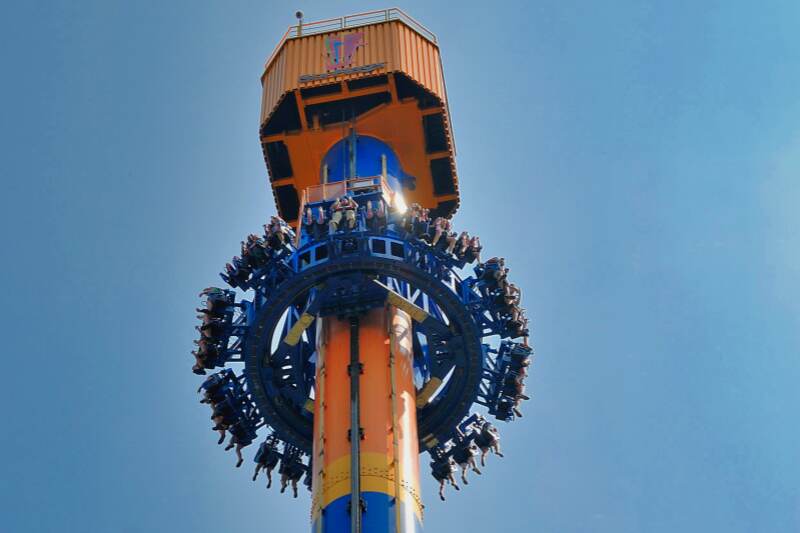
1) Drop Towers (S&S Combo Towers, Intamin Gyro Drop)
If you want intensity that is simple, clean, and unavoidable, drop towers are at the top of the list. The reason is straightforward: the sensation is not complicated, but it is extremely direct. Your body gets a strong stomach-lift moment, your brain notices the height, and the drop is over before you can fully negotiate with yourself.
Two major families dominate the conversation. S&S towers are famous for their punchy launches and drops, including combo formats that do both. You can see the manufacturer overview on S&S Worldwide’s tower rides page. Intamin’s big observation-style drop towers add a different flavor, often using a rotating ring and a high, open-air pause before the drop. Intamin’s official product page for the Gyro Drop gives a good sense of what that experience is designed to be.
Notable real-world examples include major power tower style installations at large parks, and the iconic ring-style gyro drops at destination parks worldwide. The exact height and programming vary, but the core intensity is consistent.
2) Giant Frisbee And Giant Discovery (HUSS, Zamperla)
The giant pendulum rides are a special kind of intense because they combine height exposure with repeated weightless-feeling moments and heavy swing forces. They also give you time to anticipate what is coming, which sounds like it would help, but often makes it worse.
HUSS popularized the modern giant pendulum experience, and Zamperla’s Giant Discovery is a closely related family. If you want to understand why these rides feel so aggressive, it helps to remember that you are not just swinging. You are also rotating, which changes what your inner ear thinks is happening.
These rides are notorious for being “fine at first” and then suddenly overwhelming on the third or fourth big swing when your body realizes the cycle is not calming down.
3) Top Spin (HUSS Top Spin)
Top Spin rides are intense in a way that surprises people. They do not look as tall as the giants, but they can be more punishing because they combine flipping with sustained force and repeated hang moments. The ride can hold you face-down, pause you at awkward angles, and then slam you back through the rotation.
Top Spin is also one of the most variable ride experiences, because parks can program different cycles. Some run a relatively tame sequence. Others run a wring-you-out cycle that feels like it was designed by someone who hates your lunch.
4) Top Scan And Shake (Mondial)
If your personal definition of intense is “I have no idea which way is up,” you are looking for the multi-axis spinners. Mondial’s Mondial Rides lineup includes ride types that specialize in chaotic rotation patterns, and Top Scan is the name that comes up constantly among enthusiasts as a nausea test.
These rides are intense because they do not let your brain settle into a rhythm. A coaster can be intense, but it is usually directional. A multi-axis flat ride can feel like your body is being rotated in a way your inner ear did not evolve to handle.
5) Afterburner-Style Inverting Arms (KMG)
Inverting arm rides are the “I did not expect that” category. They often look like a simple spinning ride until the arm starts to lift and the gondolas begin flipping. The intensity comes from the combination of height, rotation, and the way the inversions can feel faster than you are mentally prepared for.
KMG’s ride lineup is a common reference point for this style of attraction. The exact model names and configurations vary, but the family trait is consistent: you are rotating, rising, and flipping in a way that can feel both floaty and forceful in the same cycle.
6) Larson Loop (Looping Starship)
The Larson loop is intense because it looks too simple to be that aggressive. It is basically a loop. Then you ride it and realize the cycle can deliver repeated inversions, strong forces at the bottom, and a very exposed feeling at the top, especially if the ride holds you briefly near the top of the loop.
For the manufacturer perspective, you can start with Larson International and look at their looping ride offerings. Parks often theme these heavily, but the core experience is the same: repeated loop cycles that can feel relentless.
7) Rotor And Gravitron-Style Rides (Wall-Pin Centrifuges)
This is the physics demo that becomes a life choice category. Rotor rides and Gravitron-style attractions pin you to the wall using centrifugal force. The intensity is not about height. It is about sustained force and the weird feeling of being held in place without a traditional over-the-shoulder restraint.
These rides are also a common trigger for dizziness after the cycle ends, because your inner ear has been dealing with steady rotation for a while and then suddenly has to reorient.
8) Wave Swingers (Including Larger, Faster Variants)
Wave swingers are often marketed as family-friendly, and many are. But the larger, faster variants can be sneakily intense, especially if you are sensitive to spinning. The sensation is a mix of rotation, outward swing, and wind exposure that can feel much more aggressive than the ride looks from the ground.
This is a classic do-not-eat-a-heavy-meal-right-before ride type, even if it seems gentle.
Notable Examples At Real Parks (How To Spot These In The Wild)
Because parks rename rides constantly, the best way to find the intense flats is to look for keywords and shapes rather than names. Drop tower, gyro, frisbee, discovery, top spin, top scan, afterburner, loop, gravitron, and rotor are the terms that usually signal you are in the right neighborhood.
If you are planning a day where you want to hit multiple intense flats, treat it like endurance. Clothing and hydration matter more than people admit. What To Wear To A Theme Park and Stay Hydrated At Theme Parks (Without Constant Bathroom Breaks) are unglamorous reads that keep you from feeling awful halfway through your “let’s do the scary stuff” plan.
Comparison Table: Intense Flat Rides At A Glance
| Ride Type | Intensity Factors | Typical Sensations | Who Should Avoid | Tips For Riding |
|---|---|---|---|---|
| Drop Tower (S&S, Intamin) | Height, sudden acceleration, strong airtime sensation | Stomach lift, adrenaline spike, brief but sharp fear | People with severe height anxiety, certain heart or back conditions | Exhale on the drop, keep head back, do not tense your neck |
| Giant Frisbee / Giant Discovery | Height plus swing forces, rotation, repeated peaks | Float at the top, heavy push at the bottom, wind exposure | Motion sickness prone riders, people who panic with exposure | Focus on the horizon when possible, ride earlier before you are exhausted |
| Top Spin | Flips, sustained force, face-down holds, variable programming | Disorientation, pressure, repeated inversion stress | Anyone sensitive to inversion nausea, people who dislike face-down moments | Skip it after a big meal, brace core lightly, do not fight the motion |
| Top Scan / Shake (Multi-Axis) | Multi-axis rotation, unpredictability, sustained disorientation | Which way is up spinning nausea, chaotic movement | Most motion sickness prone riders, migraine or vertigo prone riders | Do it once, not repeatedly, and give yourself recovery time after |
| Afterburner-Style Inverting Arm | Rotation plus lift, flips, height exposure | Fast inversions, floaty peaks, sudden directional changes | Riders who dislike flipping without a predictable rhythm | Keep eyes open, pick a fixed point when you can, ride before you are dehydrated |
| Larson Loop | Repeated inversions, strong bottom forces, exposed top holds | Looping rush, heavy pull at the bottom, stuck up there moments | People with inversion anxiety, those sensitive to strong force spikes | Expect multiple loops, keep breathing steady, do not lock your knees |
| Rotor / Gravitron | Sustained rotation, wall pinning force, post-ride dizziness | Pressure into the wall, heavy limbs, wobbly exit | Vertigo prone riders, people who get dizzy easily | Stare at one point, move slowly when exiting, hydrate first |
| Wave Swinger (Large/Fast) | Spinning plus outward swing, wind, long cycles | Gentle-to-strong spin nausea, floating swing feeling | Spin-sensitive riders, anyone who gets queasy easily | Choose a seat with a calmer swing if possible, avoid right after eating |
How To Ride Intense Flat Rides Without Ruining Your Day
The biggest mistake people make is stacking intense flats back-to-back like they are checking boxes. Flat rides can be more nauseating than coasters because the motion is often sustained and rotational. If you want to do a flat ride gauntlet, build breaks into your plan and treat it like pacing, not conquest.
If you are doing early entry or rope drop, do not burn your entire nervous system in the first hour. A lot of people ride something intense early, feel amazing, and then hit a wall by mid-afternoon. This rope drop pacing strategy is genuinely useful here, even if you are not chasing coasters.
Hydration and heat management matter more than bravery. Dehydration makes dizziness worse and makes recovery slower. If you are trying to stay functional all day, this hydration strategy helps you avoid the “I feel awful but I do not want to live in the bathroom” problem.
Managing Nausea And Anxiety (And Knowing When To Skip)
If you are nervous, start with a ride that is intense in one dimension, not three. A drop tower is psychologically intense, but it is short and clean. A giant pendulum is intense but rhythmic. A multi-axis spinner is where many people discover their personal limit, so it is not a great first intense flat if you are already anxious.
If you are prone to nausea, avoid stacking spin-heavy rides. Give yourself time to reset, eat lightly, and do not treat “I feel a little off” as something you can power through indefinitely. That is how people end up spending an hour on a bench staring at the ground.
Skip the ride if you are already lightheaded, overheated, or running on very little sleep. Also skip if you have a medical condition that the ride restrictions clearly warn about. If your concern is fainting specifically, revisit these practical anti-fainting tips before your next park day, because the fix is often boring basics like hydration, salt, pacing, and not locking your knees while standing in long queues.
The goal is not to prove something. The goal is to have a great day. The most intense flat rides are supposed to be fun, and the smartest riders are the ones who know when one and done is the correct strategy.

Leave a Reply