You can have the best strategy in the world, the perfect rope drop plan, and a list of must-ride coasters ready to go. None of it matters if you are miserable by 11 a.m. because your shoes are rubbing, your shirt is sticking to you, and you are carrying a jacket you do not want but also cannot live without.
The best theme park outfit is not about looking cute in photos (although you can). It is about staying comfortable, staying safe, and staying flexible when the day inevitably changes. Theme parks are basically a long, stop-and-go hike on hard pavement, with weather swings, water rides, air conditioned queues, and ride restraints that punish bad clothing choices.
This guide breaks down what to wear to a theme park for comfort and safety, for both adults and families. You will get a simple outfit formula, a weather table you can screenshot, and a checklist of what not to wear if you want fewer blisters, fewer wardrobe malfunctions, and fewer “we need to go back to the car” moments.
Quick Answer: Wear broken in sneakers, moisture managing socks, breathable clothes that move with you, and at least one packable layer for indoor AC or surprise weather. Choose secure pockets, avoid loose accessories, and dress like you will walk 15,000 steps. For heat safety basics, the CDC guidance on extreme heat is a solid reality check for long outdoor days.
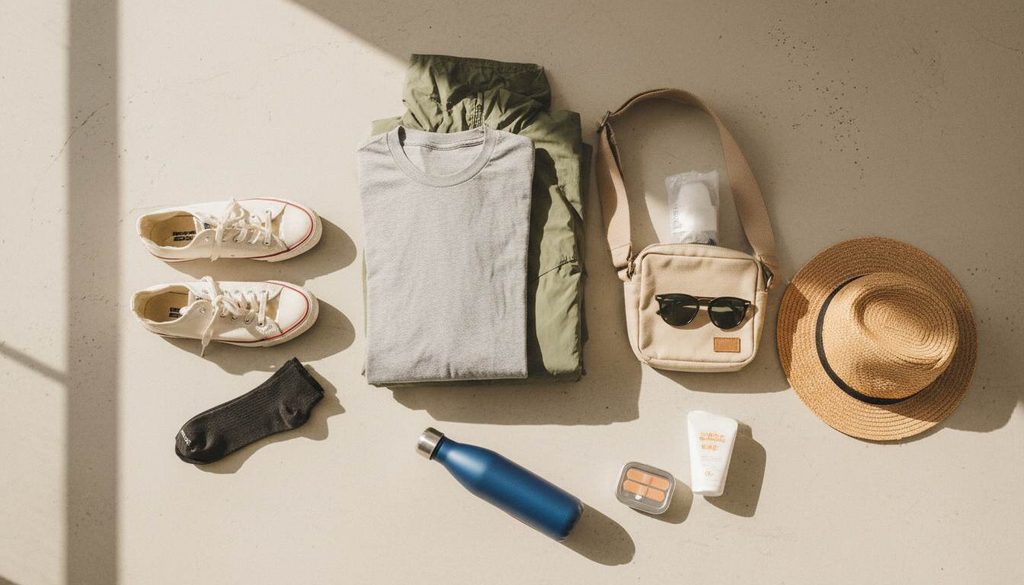
The Theme Park Outfit Rule: Dress For Walking First, Rides Second
Most people dress for the idea of a theme park day. You want to dress for the actual physics of it: concrete, crowds, standing in lines, stepping on and off ride platforms, and getting compressed by restraints. If your outfit works for walking, sweating, sitting, and sudden temperature changes, it will work for rides too.
Comfort is also a safety feature. When your feet hurt, you stop paying attention. When you are overheating, you get dizzy. When your bag is awkward, you rush, trip, or drop things. If you have ever felt shaky or faint in a park, it is worth reading what to do if you feel faint at a theme park so you know what to do before it happens.
Practical Callout: Build your outfit like you are packing for a day hike, not a shopping trip. The goal is “I can handle this for 10 hours,” not “this looks good for 10 minutes.”
Start With Shoes (Because Foot Pain Ruins The Whole Day)
If you only take one thing from this article, let it be this: shoes are the main character. You can survive a bad shirt. You can even survive a surprise rain shower. Bad shoes will end your day early.
Look for shoes that are already broken in, supportive, and stable on slick surfaces. Theme parks have wet spots, polished queue floors, and the occasional surprise puddle. Traction matters. Support matters. And “brand new” is the enemy.
- Best choice for most people: broken in sneakers or walking shoes with decent arch support and a grippy sole
- Good alternatives: trail runners (great traction), supportive athletic sandals with a heel strap (fine for light ride days, not ideal for a coaster marathon)
- Usually a bad idea: flip flops, slides, heels, fashion boots, or anything you have not walked in for hours
Practical Callout: Bring blister bandages in your bag, not in your hotel room. If you wait until you “really need them,” you waited too long.
If you are doing a coaster heavy day, remember that some rides are stricter about loose items and what you can carry on board. The less you have to juggle at the station, the smoother your day feels. If you want a broader look at how parks think about risk and why rules vary, roller coaster accidents and safety statistics is useful context.
Socks And Anti Chafe Strategy (Adults And Kids)
Socks are not an afterthought at a theme park. They are the friction management system for your entire day. Moisture plus movement equals rubbing, and rubbing turns into blisters fast.
Choose socks that stay put and manage sweat. Many people do best with athletic socks that are snug, not thick and fluffy. If you are prone to blisters, consider socks designed for running or hiking.
Chafing is the other theme park villain. It shows up when you are walking a lot in heat, humidity, or rain, especially with seams, denim, or anything that traps moisture.
- Use anti chafe balm on thighs, underarms, bra lines, and anywhere you know you rub
- Choose smooth seams and breathable fabrics
- For kids, pack spare socks and a backup shirt as a reset button after water rides or spills
Practical Callout: If you are traveling with kids, spare socks are the closest thing to magic you can pack. Wet socks, sandy socks, or socks that slipped down can ruin a child’s mood in minutes.
Pants, Shorts, And Skirts That Work With Ride Restraints
Ride restraints are not gentle. Lap bars, seat belts, and over the shoulder restraints all press into your body in different ways. Clothing that bunches, pinches, or slides around will feel worse on rides than it does in a mirror.
For most people, the sweet spot is lightweight shorts, athletic pants, or breathable jeans with stretch. If you love leggings, they can be great, but choose a fabric that does not turn into a sauna in the sun.
Skirts and dresses can work, but they are not always carefree. Wind, ride seats, and getting in and out of restraints can make you feel exposed or annoyed. If you wear a skirt or dress, consider bike shorts underneath so you can move freely and sit comfortably.
Practical Callout: Pockets matter more than you think. If you ride coasters, zip pockets are a gift. If you do not have secure pockets, you will spend the day stress gripping your phone.
Tops That Handle Heat, Indoor AC, And Sun
The classic theme park mistake is dressing for the weather outside and forgetting that you will spend chunks of the day indoors. Many queues, shows, and restaurants blast air conditioning. That can feel amazing at 2 p.m. and miserable at 9 p.m.
A breathable top plus a light layer is the easiest formula. If you burn easily, you can also lean into sun protective clothing. The American Academy of Dermatology recommends sun protective clothing like lightweight long sleeves and pants, plus a wide brimmed hat and UV protective sunglasses when possible. Clothing and shade do a lot of heavy lifting, and sunscreen is the backup, not the entire plan.
Practical Callout: If you are choosing between “cute but clingy” and “breathable and forgiving,” pick breathable. Sweat happens. Humidity happens. You want fabric that does not punish you for having a body.
Layers For Temperature Swings (Morning Chill, Midday Heat, Night Drop)
Even in warm climates, mornings can be cool and nights can surprise you. Add wind from fast rides and you can go from fine to freezing quickly.
- Best layer: a packable hoodie, light fleece, or thin windbreaker you can stuff into a small bag
- Family strategy: one warm layer per person, or at least one per two people if you are trying to travel light
- Skip: bulky coats you will carry all day
If you are the type who goes too hard early and crashes mid afternoon, your outfit and your pacing are connected. A day that is planned well feels easier on your body. rope drop strategy without burning out pairs perfectly with this article, because the best outfit in the world cannot save you from sprinting the first two hours and then melting into a bench.
Rain And Water Rides: What Actually Works (And What Backfires)
Rain is not always a day ruiner, but wet clothes can be. The goal is to stay warm enough and avoid heavy, soggy fabric that rubs.
Ponchos are popular because they are cheap and pack small, but they can flap around and feel annoying in wind. Light rain jackets are more comfortable, but they can trap heat. Umbrellas are great for walking, but they are awkward in crowds and you will need to stow them for most rides.
Practical Callout: The best “rain plan” is often dry socks. Pack an extra pair. If your shoes get soaked, changing socks can keep your feet from turning into a blister factory.
Also, avoid heavy cotton if you know you will get drenched. Cotton holds water and stays cold. Quick dry fabrics are not just a comfort upgrade, they reduce rubbing and skin irritation.
Sun And Heat Safety Clothing (Hats, Sunglasses, Light Colors)
Heat sneaks up on people at theme parks because you are distracted, you are walking constantly, and you are standing in lines with no shade. Clothing can help a lot here. The CDC recommends wearing loose, lightweight, light colored clothing during extreme heat, which is exactly the kind of day a theme park can turn into when you are out on pavement for hours.
If you want a deeper explanation of why UPF clothing matters and how it works, the Skin Cancer Foundation’s guide to sun protective clothing is a strong, non spammy reference.
Practical Callout: If you are overheating, do not push through because you paid for the ticket. Take a cooling break. Heat illness is not a badge of honor. If you want a simple, park-friendly checklist for warning signs and what to do, keep theme park first aid basics for guests bookmarked.
Ride Safety: What Not To Wear On Coasters And Thrill Rides
Theme parks are full of signs about loose articles for a reason. Even if a park allows you to ride with certain items, that does not mean it is comfortable or smart. If something can fly off, snag, or distract you, it is a risk.
What Not To Wear Checklist
- Brand new shoes you have not broken in
- Flip flops or loose slides on a heavy walking day
- Long dangling earrings, long necklaces, or anything that can snag
- Scarves or loose lanyards on high speed rides
- Hats that are not secure (or hats you will be stressed about losing)
- Clothes with uncomfortable seams that rub when you walk
- Heavy denim in hot weather if you know you overheat easily
- Anything you have to constantly adjust, pull up, or tug down
If you want to understand why restraints feel so different from ride to ride, and why some rides are stricter about what you can bring, read why roller coasters have different restraints. It helps you predict which outfits will feel fine and which ones will feel like a mistake the second the lap bar clicks.
Practical Callout: Tie long hair back for coasters. It is not just about comfort. It is about not getting whipped in the face and not spending the next hour detangling a knot you did not need.
Bags And Wearables: Fanny Packs, Crossbodies, And The Locker Plan
A bag can make your day easier or harder. The best theme park bag is hands free, secure, and small enough that you are not constantly bumping people in lines.
- Best for most adults: a small crossbody or waist pack that sits flat
- Best for families: one small backpack with a simple system (snacks, wipes, bandages, spare socks)
- For coaster heavy days: plan for lockers or choose a bag that is easy to stow
If you are doing a big group trip, it helps to decide who carries what ahead of time. Otherwise you end up with three bags of the same stuff and nobody has the one thing you actually need. theme park planning for large groups has practical advice that applies to families too, especially when it comes to keeping the day from turning into chaos.
What To Wear To A Theme Park With Kids (The Parent Proof Formula)
Kids are not just smaller adults at theme parks. They spill, they get wet, they get cold fast indoors, and they hit a wall when they are hungry or uncomfortable. Clothing can prevent a lot of meltdowns.
Kid Outfit Formula: comfortable sneakers, moisture managing socks, breathable shirt, shorts or pants that do not pinch, and one light layer you can put on fast in a cold show or evening breeze.
Pack at least one backup item that solves the most common problems. For many families, that is spare socks and a spare shirt. If you are doing water rides, add a lightweight poncho and consider quick dry fabric so the kid is not stuck in wet cotton for hours.
Practical Callout: If your kid is suddenly cranky and “nothing is wrong,” check the basics. Are their socks wet? Are their shoes rubbing? Are they cold in AC? Clothing fixes are often faster than trying to talk a tired kid into being reasonable.
If your family includes very young kids, ride planning and clothing choices overlap more than people expect. If you are unsure what is realistic for little ones, can infants ride roller coasters? is a helpful reality check for height limits, safety rules, and what “family friendly” actually means in practice.

Leave a Reply