There’s something bittersweet about walking through an amusement park and seeing the empty space where a legendary coaster once stood. For decades, that ride thrilled generations of visitors. It defined the park’s identity. And then one day, it was gone.
Roller coasters get removed for many reasons—safety concerns, aging infrastructure, changing park priorities, economic pressures, or tragic accidents. Some removals are controversial, sparking nostalgia and debate among enthusiasts. Others are inevitable, the result of rides reaching the end of their operational lifespan. And a few are driven by genuine safety issues that made continued operation untenable.
This guide explores some of the most iconic roller coasters that were removed or banned, the reasons behind their closure, and what their removal means for amusement park history and culture.
Understanding Why Coasters Get Removed
Before we dive into specific rides, it’s helpful to understand the general reasons why parks decide to remove coasters. It’s rarely a simple decision—coasters are expensive to build, maintain, and operate, and they’re often central to a park’s identity.
Age and Deterioration
Wooden coasters, in particular, require constant maintenance. The wood can rot, the track can wear, and the structure can develop stress fractures. At some point, the cost of maintaining an aging coaster exceeds the revenue it generates. When a coaster reaches this point, removal becomes economically necessary.
Steel coasters also age, though they typically last longer than wooden coasters. Rust, metal fatigue, and wear on moving parts can eventually make a coaster unsafe or uneconomical to maintain.
Safety Concerns
While modern coasters are engineered with multiple safety redundancies, older coasters sometimes don’t meet current safety standards. If a coaster has a history of incidents, or if modern engineering analysis reveals structural weaknesses, parks may decide that removal is the safest option.
Accidents and Tragedies
Tragic accidents can lead to a coaster’s removal, either because the ride is deemed unsafe or because the park decides that continued operation would be disrespectful to victims and their families. The public perception and emotional weight of a coaster involved in a fatal accident can make continued operation untenable.
Changing Park Priorities
Parks evolve. What was once a flagship attraction might become less central to the park’s brand or target audience. A park might decide to remove an older coaster to make room for a newer, more modern attraction that better aligns with current visitor preferences.
Economic Pressures
During economic downturns, parks sometimes remove older attractions to cut costs. Maintenance, staffing, and operational expenses for an aging coaster can be significant. If the ride isn’t generating enough revenue to justify these costs, removal becomes an option.
Space and Land Use
Valuable real estate in an amusement park is precious. A park might remove an older coaster to make room for new attractions, dining areas, or themed lands that generate more revenue per square foot.
The Verrückt: The Ride That Changed Everything
The Verrückt at Schlitterbahn Water Park in Kansas City is perhaps the most infamous removed coaster in modern history. This wasn’t a traditional roller coaster, but a water slide—a 168-foot-tall attraction billed as the world’s tallest water slide.
In August 2016, a 10-year-old boy was killed on the Verrückt when he was ejected from the raft at the top of a hill. The incident was devastating and sparked immediate investigations into the ride’s design and safety protocols.
The investigation revealed serious design flaws. The ride’s designer, John Schooley, had not properly calculated the forces involved, and the ride lacked adequate safety features. The raft could become airborne at the top of the hill—a catastrophic design flaw that should have been caught during the engineering phase.
The Verrückt was immediately shut down and eventually demolished. The incident led to criminal charges against the park’s owners and the ride’s designer, and it sparked a broader conversation about water slide safety and the lack of federal regulation for water parks.
The Verrückt’s removal represents a case where a ride was so fundamentally unsafe that continued operation was impossible. It also highlighted the importance of rigorous engineering standards and safety testing.
The Cyclone at Coney Island: A Legendary Ride’s Uncertain Future
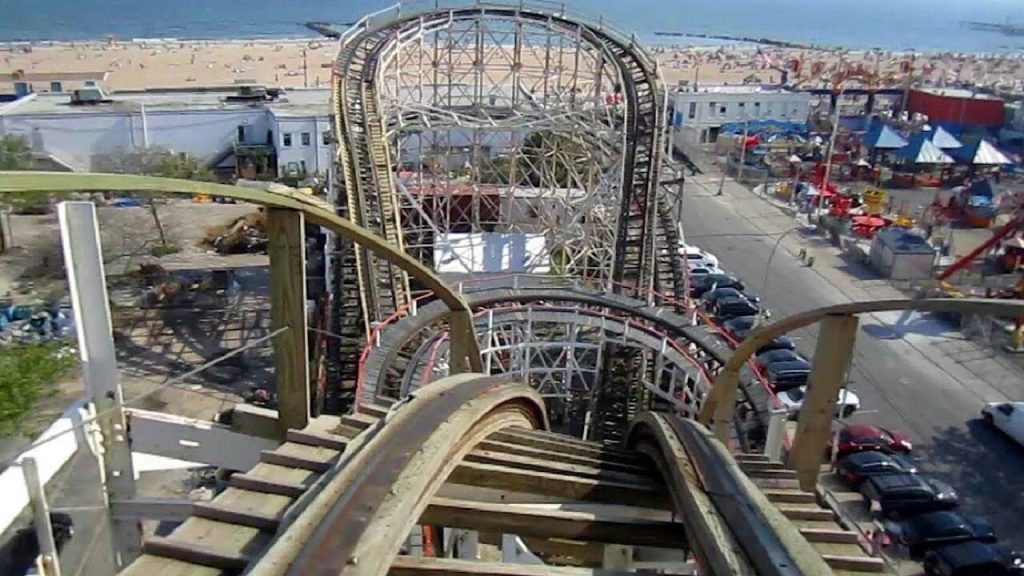
The Cyclone at Coney Island is one of the most iconic wooden coasters in history. Built in 1927, it’s a masterpiece of wooden coaster design—a twisting, turning, breathtaking ride that has thrilled millions of visitors over nearly a century.
The Cyclone hasn’t been removed, but it’s had an uncertain future. In the 1980s and 1990s, the ride fell into disrepair as Coney Island’s amusement parks struggled economically. The Cyclone was nearly demolished several times. It was saved by landmark status and the efforts of preservationists who recognized its historical and cultural significance.
Today, the Cyclone still operates, though it requires constant maintenance. Its survival is a testament to the power of nostalgia and cultural preservation. The ride represents a piece of American amusement park history that many felt was worth saving, even if it wasn’t the most profitable attraction.
The Thunderbolt at Kennywood: A Close Call
The Thunderbolt at Kennywood in Pennsylvania is another legendary wooden coaster with a dramatic history. Built in 1924, it’s one of the oldest continuously operating wooden coasters in the world.
In the 1990s, the Thunderbolt’s future was uncertain. The ride was aging, and Kennywood considered removing it to make room for newer attractions. However, the park ultimately decided to preserve and restore the Thunderbolt, recognizing its historical significance and the passionate fan base that advocated for its preservation.
The Thunderbolt’s survival shows that parks can choose to preserve historic coasters if they value cultural heritage alongside profitability. Kennywood’s decision to maintain the ride has paid off—the Thunderbolt remains a beloved attraction and a draw for coaster enthusiasts.
The Skyrush at Kennywood: A Surprise Removal
In 2019, Kennywood announced the removal of Skyrush, a steel coaster that had operated since 1999. The announcement shocked many enthusiasts, as Skyrush was a relatively modern ride in good condition.
The removal was driven by Kennywood’s desire to make room for new attractions and to refresh the park’s lineup. Skyrush was relocated to Dorney Park in Allentown, Pennsylvania, where it continues to operate under a new name. This represents a different kind of removal—not because the ride was unsafe or aging, but because the park wanted to move in a new direction.
The Verrückt’s Legacy: The Importance of Regulation
The Verrückt tragedy highlighted a critical gap in amusement park safety regulation. Unlike roller coasters, which are regulated by ASTM International standards and state regulations, water slides were largely unregulated at the federal level.
The incident sparked efforts to improve water slide safety standards. Several states have since implemented stricter regulations for water parks, and the industry has moved toward more rigorous engineering standards and safety testing.
The Verrückt’s removal serves as a reminder that safety should always be the top priority, and that rides with fundamental design flaws should be removed, regardless of their popularity or profitability.
The Arrow Dynamics Coasters: An Era Ends
Arrow Dynamics was a legendary coaster manufacturer that created some of the most iconic steel coasters of the 1980s and 1990s. However, many Arrow coasters have been removed in recent years due to aging infrastructure and maintenance costs.
The Shockwave at Kings Dominion, the Vortex at Kings Dominion, and the Vortex at Cedar Point are all Arrow coasters that have been removed. These removals represent the end of an era in coaster design. Arrow Dynamics’ coasters were revolutionary when they were built, but they’ve become increasingly expensive to maintain as they age.
The removal of these iconic rides has sparked nostalgia and debate among enthusiasts about whether parks should preserve historic coasters or prioritize newer, more modern attractions.
The Disaster Transport at Cedar Point: A Unique Situation
The Disaster Transport at Cedar Point was a unique indoor coaster that operated from 1990 to 2012. The ride was themed around a disaster scenario—riders boarded a “transport vehicle” and experienced a simulated disaster while riding through an indoor coaster track.
The Disaster Transport was removed to make room for Gatekeeper, a new winged coaster. The removal was driven by Cedar Point’s desire to add a new flagship attraction rather than safety concerns. The ride had a dedicated fan base, and its removal sparked some nostalgia, but it was ultimately replaced by a more modern attraction.
The Shockwave at Kings Dominion: A Victim of Age
The Shockwave at Kings Dominion was an Arrow Dynamics coaster that operated from 1986 to 2007. It was one of the park’s most popular attractions, known for its intense inversions and unique design.
However, as the coaster aged, maintenance costs increased. The ride required constant repairs, and the park eventually decided that the cost of maintaining the aging coaster exceeded the revenue it generated. The Shockwave was removed, and the space was repurposed.
The removal of the Shockwave represents a common scenario in amusement parks—older coasters eventually reach a point where removal is more economical than continued maintenance.
The Verrückt’s Aftermath: Criminal Charges and Industry Changes
The Verrückt tragedy led to criminal charges against the park’s owners and the ride’s designer. John Schooley, the ride’s designer, was charged with involuntary manslaughter and other crimes. The case highlighted the importance of proper engineering standards and the consequences of cutting corners on safety.
The incident also sparked broader conversations about water park regulation and the need for more rigorous safety standards in the amusement industry. Several states have since implemented stricter regulations, and the industry has moved toward more comprehensive safety protocols.
Nostalgia and Preservation: The Debate Over Historic Coasters
The removal of iconic coasters often sparks debate among enthusiasts about whether parks should prioritize preservation or modernization. Some argue that historic coasters are cultural artifacts worth preserving, even if they’re not the most profitable attractions. Others argue that parks need to evolve and that removal of aging coasters is a natural part of the industry’s evolution.
This debate reflects broader questions about how we value history, nostalgia, and cultural preservation in the context of commercial entertainment. The Cyclone’s preservation at Coney Island suggests that there’s value in maintaining historic attractions, even if it requires extra effort and cost.
Modern Safety Standards: Preventing Future Tragedies
Modern roller coasters are engineered with multiple safety redundancies and are subject to rigorous testing and inspection. The standards have become much more stringent since the days when older coasters like the Cyclone were built.
ASTM International standards for roller coasters include requirements for structural analysis, materials testing, and operational safety protocols. Parks are required to conduct regular inspections and maintenance, and rides must be certified as safe before they can operate.
These standards exist partly because of lessons learned from older coasters and from tragic incidents like the Verrückt. The industry has evolved to prioritize safety, and modern coasters are significantly safer than their predecessors.
The Future of Removed Coasters: Museums and Preservation
Some removed coasters have found new life in museums or have been relocated to other parks. The Skyrush’s relocation to Dorney Park is one example. Other coasters have been preserved in museums or have become subjects of historical documentation.
The American Coaster Enthusiasts (ACE) and other organizations work to document and preserve the history of removed coasters through photographs, videos, and written records. This ensures that even when physical rides are removed, their history and legacy are preserved.
Real Stories: Enthusiasts Remember Removed Coasters
Tom’s Story: The Shockwave at Kings Dominion
Tom rode the Shockwave dozens of times during its 21-year operation. “It was my first intense coaster,” he says. “I was terrified the first time, but I rode it again and again. When they announced it was being removed, I was heartbroken. I made a pilgrimage to Kings Dominion one last time to ride it before it was gone. It felt like saying goodbye to an old friend.”
Sarah’s Story: The Cyclone’s Uncertain Future
Sarah grew up riding the Cyclone at Coney Island. “When I heard it might be demolished, I was devastated,” she says. “The Cyclone is part of my childhood, part of my family’s history. I’m so grateful that it was preserved. I’ve brought my own kids to ride it, and I hope it will be there for my grandchildren.”
Marcus’s Story: The Verrückt Tragedy
Marcus was a water park enthusiast who had researched the Verrückt before the tragedy. “I was planning to visit and ride it,” he says. “When I heard about the accident, I was shocked and heartbroken. It made me realize how important safety standards are. The Verrückt’s removal was necessary, but it’s a tragic reminder of what can happen when safety is compromised.”
Conclusion: Remembering the Rides We’ve Lost
The removal of iconic coasters is bittersweet. On one hand, it represents the end of an era—the loss of attractions that defined parks and created memories for millions of visitors. On the other hand, removal is sometimes necessary for safety, economic, or strategic reasons.
The most important lesson from removed coasters is the critical importance of safety. The Verrückt tragedy reminds us that rides with fundamental design flaws should be removed, regardless of their popularity. Modern safety standards exist because of lessons learned from older coasters and from tragic incidents.
At the same time, the preservation of coasters like the Cyclone and the Thunderbolt shows that there’s value in maintaining historic attractions. These rides are cultural artifacts that deserve preservation, even if it requires extra effort and cost.
Whether a coaster is removed or preserved, its legacy lives on in the memories of the millions of people who rode it, in the photographs and videos that document its existence, and in the impact it had on amusement park design and culture. The coasters we’ve lost are part of our shared history—a reminder of the innovation, engineering, and joy that define the amusement park experience.
