If you get motion sick on rides, the worst advice you can follow is “just don’t eat.” An empty stomach can make nausea hit harder, faster, and in a way that feels like you cannot recover from. But the second-worst advice is “eat whatever, it’s fine,” because a greasy turkey leg plus a spinning ride is basically a science experiment.
This guide is focused specifically on motion sickness and nausea, not food allergies or heartburn. The goal is simple: eat in a way that keeps your blood sugar steady, your stomach calm, and your body hydrated, so you can ride coasters without spending half your day trying not to throw up in a bathroom that smells like sunscreen and regret.
If you want the ride-mechanics side of why your body gets disoriented in the first place, read this first or after: Why Do Roller Coasters Make You Dizzy?. Motion sickness is basically your brain getting mixed signals about movement, and coasters are really good at delivering mixed signals.
Quick Answer: The Best Things To Eat Before Roller Coasters
If you want a short list before we get deep:
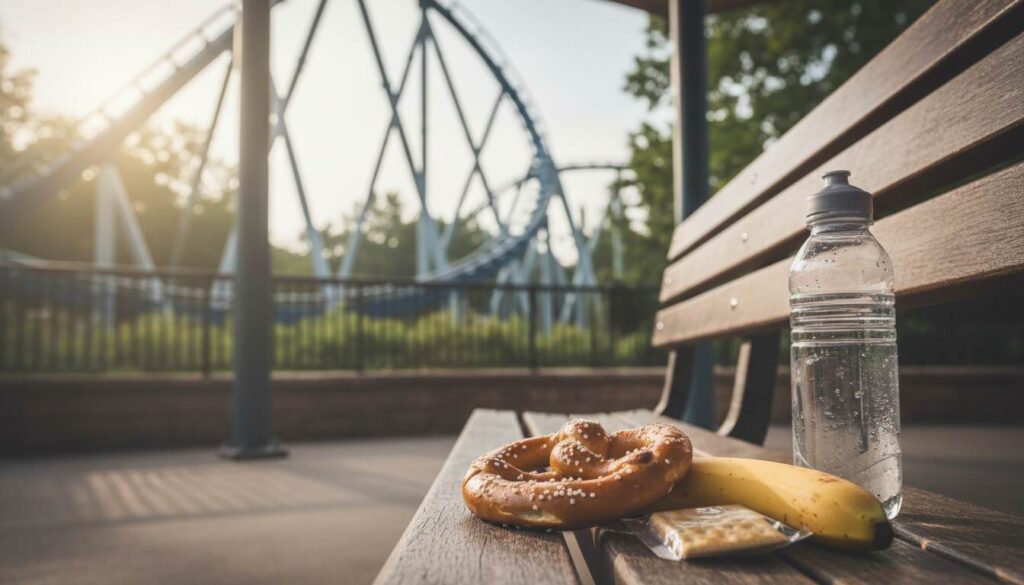
Best pre-coaster foods: plain carbs + a little protein + low fat, low spice, low acid. Think: pretzels, crackers, a banana, oatmeal, plain rice, a turkey sandwich, a bagel, a granola bar you trust, yogurt (if dairy is safe for you), or a small bowl of noodles that is not swimming in grease.
Best drinks: water, diluted sports drink, electrolyte drink (not super sugary), ginger tea if you can get it, or plain iced tea if caffeine does not mess with you.
Avoid right before intense rides: greasy fried food, heavy dairy (for many people), super spicy food, huge portions, and anything you already know makes you gassy or bloated.
Why Food Matters For Motion Sickness (It Is Not Just “Stomach Stuff”)
Motion sickness is not caused by your stomach. It is caused by your brain. When your inner ear (balance system) and your eyes disagree about what is happening, your brain can interpret that mismatch as a threat. One theory is that your body responds like you might be poisoned, which is why nausea is such a common symptom.
Food matters because it changes how stable your body feels during that sensory chaos. Low blood sugar, dehydration, and an irritated stomach all make the nausea response easier to trigger and harder to calm down.
For a reputable medical overview of motion sickness symptoms and prevention, see Mayo Clinic: Motion sickness.
The Pre-Coaster Eating Rule That Actually Works: “Not Empty, Not Stuffed”
Most coaster nausea happens at the extremes:
Empty stomach: you get shaky, lightheaded, and queasy. You also tend to swallow more air when anxious, which can make you feel even worse.
Overfull stomach: your stomach is heavy, sloshy, and working hard. Add inversions, laterals, launches, and spinning, and your body is going to complain.
Aim for “comfortably fed.” For most people, that means a small meal 60 to 90 minutes before intense rides, or a snack 20 to 30 minutes before.
What To Eat Before Roller Coasters (By Timing)
60 To 90 Minutes Before Riding: Small Meal Options
This is your sweet spot if you are planning to hit a big coaster or a cluster of intense rides. You want something that digests predictably.
Good choices:
Plain sandwich: turkey or chicken, light mayo or none, simple bread. Avoid heavy sauces.
Rice bowl: plain rice with a little lean protein. Keep it mild.
Oatmeal: especially if you are starting your day and you know you get nauseous easily.
Bagel or toast with a little peanut butter: not a thick layer, just enough to add staying power.
Simple noodles: think “comfort food,” not “spicy challenge.”
Why these work: they are mostly carbs (steady energy) with a bit of protein (keeps you from crashing) and they are not greasy (fat slows digestion and can make you feel heavy).
20 To 30 Minutes Before Riding: Snack Options
This is for when you are already in the park and you need a quick stomach-stabilizer before you get in line.
Good choices:
Pretzels or crackers.
Banana or applesauce pouch.
Plain granola bar (not the super high-fat dessert ones).
Dry cereal.
Small handful of salted nuts if nuts sit well with you (not ideal for everyone, but great for some).
Ginger chews or ginger candy (more on ginger in a second).
These are also easy to carry if you are using lockers. If you want a practical guide to what you can bring and how to plan your day around lockers, this is relevant: Theme Park Locker Rules (And What To Bring).
The Best Theme Park Foods For Nausea-Prone People (Realistic Park Menu Picks)
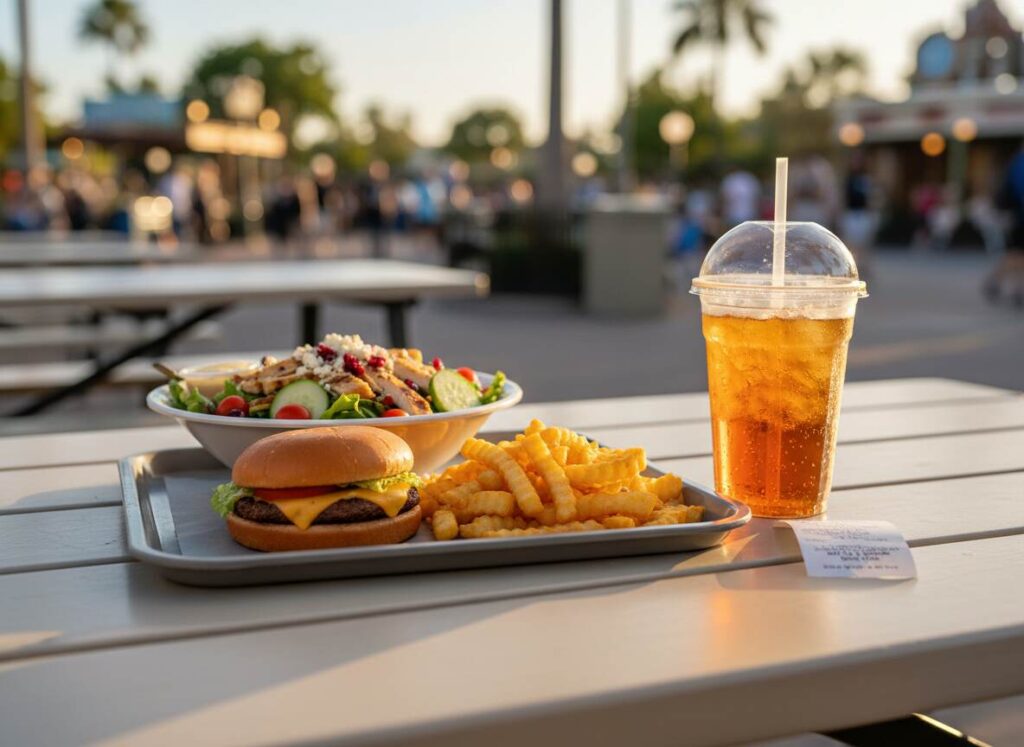
Theme park food is not designed for delicate stomachs. It is designed for profit, photos, and the idea that you are on vacation so calories do not count. That is fine. You can still eat fun stuff. You just want to be strategic about when you eat it.
“Safe” Park Foods (Usually)
Pretzels: salt helps, carbs help, and they are not greasy.
Plain fries: not ideal, but often easier than a burger. The key is portion size. Do not crush a mountain of fries and then ride a spinner.
Chicken tenders: can be okay if you do not eat a huge portion and you pair it with something bland. The breading and oil can still be a trigger for some people.
Rice bowls: one of the best options when parks have them. Mild, filling, predictable.
Soup in cooler weather: gentle and hydrating, as long as it is not super creamy or spicy.
Fruit cups: good for hydration and light energy. If acidic fruit triggers you, choose bananas or melon over citrus.
Plain popcorn: surprisingly decent as a “keep my stomach settled” snack, but it can be rough if you are sensitive to fiber or you eat a lot of it.
Foods That Commonly Trigger Ride Nausea
Greasy burgers and fried everything: fat slows digestion and makes you feel heavy. If you love it, eat it after your big rides, not before.
Milkshakes and heavy dairy: some people are fine, many people are not. Dairy plus motion is a classic disaster combo.
Super spicy food: even if you love spice, it can amplify nausea sensations.
Huge portions: even “safe” foods become unsafe when you eat too much.
Alcohol: it dehydrates you and can make dizziness worse. If you drink, do it after you are done riding, or keep it very light.
Ginger: Does It Actually Help Motion Sickness?
Ginger is one of the most common non-prescription tools people use for nausea. Some people swear by it, and there is research suggesting ginger can help reduce nausea in certain contexts.
A good, accessible overview from Cleveland Clinic discusses ginger for nausea and how people use it: Ginger benefits. You do not need to treat it like medicine, but ginger chews, ginger tea, or ginger candy can be an easy add-on if it works for you.
Important: ginger is not magic. If you are dehydrated, overheated, and you just ate a giant greasy meal, ginger is not going to save you.
Hydration Matters More Than Most People Think (Even For “Stomach” Nausea)
Dehydration makes nausea worse. Heat makes dizziness worse. Low blood volume can make you feel lightheaded, and lightheadedness plus coaster forces is a fast track to feeling awful.
If you want the deeper physiology side of this, this post connects the dots between hydration, blood pressure, and feeling faint: Why Do People Faint on Roller Coasters?.
For a straightforward medical reference on dehydration symptoms and prevention, NHS is solid: Dehydration.
Practical theme park hydration rule: sip consistently, do not chug only when you are already in trouble. If you are sweating heavily, consider electrolytes, especially if you are doing long outdoor lines.
Caffeine, Sugar, and Carbonation: The “It Depends” Trio
Caffeine
Caffeine can help some people feel more stable, but it can also increase anxiety and make nausea worse for others. If caffeine makes you jittery, do not experiment on a coaster day. If you are a daily coffee person, keep it normal, not extra.
Sugary Drinks
Big sugar spikes can lead to crashes. If you are prone to nausea, a crash can feel like dizziness, weakness, and stomach flipping. If you want a sports drink, consider diluting it with water.
Carbonation
Carbonated drinks can cause burping and bloating, which can feel gross on rides. Some people find ginger ale helpful, but for others the carbonation backfires. Know your body.
How To Eat If You Are Doing A “Coaster Marathon” Day
If your plan is to ride a lot, you want to avoid the classic mistake: one huge meal at noon that knocks you out for two hours.
Instead, do smaller meals and snacks throughout the day. Think “steady fuel.” You will ride more, and you will feel better.
A simple rhythm that works for a lot of people:
Morning: small meal (oatmeal, bagel, sandwich) + water.
Mid-morning: pretzel or banana.
Lunch: mild bowl or sandwich, not greasy.
Afternoon: small snack + electrolytes if it is hot.
Evening: eat the fun heavy stuff after your most intense rides are done.
If Anxiety Triggers Your Nausea, Food Alone Will Not Fix It
Some coaster nausea is not purely motion sickness. It is anxiety nausea. If you are tense in line, holding your breath, and bracing for impact, your stomach will absolutely join the panic party.
These two posts are worth reading if you recognize yourself in that:
Overcome Coaster Anxiety: A Practical Guide
How To Overcome Roller Coaster Phobia (Fear)
Even a small change like steady breathing and unclenching your body can reduce nausea. Anxiety and nausea feed each other. Breaking the loop helps.
When To Stop Eating and Switch To Recovery Mode
If you are already nauseous, forcing a full meal can make things worse. This is when you go gentle:
Small sips of water.
Salted crackers or pretzels.
Ginger if it helps you.
Cool down in shade or AC.
If symptoms are severe, persistent, or you are worried, use first aid. Parks deal with this all the time. You are not the first person to get humbled by a spinning ride on a hot day.
FAQ
Should I ride roller coasters on an empty stomach?
Usually no. An empty stomach can make nausea worse. A small snack or light meal is often better than riding hungry, especially if you are prone to motion sickness.
What is the best snack before a roller coaster?
Pretzels, crackers, a banana, applesauce, or a mild granola bar are common “safe” options. The best snack is one you already know your stomach tolerates.
What foods should I avoid before roller coasters if I get motion sick?
Greasy fried foods, heavy dairy, very spicy foods, huge portions, and anything that makes you bloated are the most common triggers.
Do motion sickness bands or medicine help?
They can for some people. If you use medication like dimenhydrinate or meclizine, follow the label and consider trying it on a non-park day first so you know how it affects you. For a medical overview of motion sickness prevention options, see Mayo Clinic: Motion sickness diagnosis and treatment.
Bottom Line
The best theme park food for coaster days is not the most exciting food. It is the food that keeps you stable. Eat something mild, not too heavy, not too little. Hydrate steadily. Save the greasy “vacation food” for after your biggest rides. And if your nausea is partly anxiety-driven, treat your breathing and pacing like part of your ride strategy, not an afterthought.
If you want more options for dietary needs beyond motion sickness, this is a strong companion piece: Vegan and Allergy-Friendly Eats at Major Theme Parks.

Leave a Reply