Roller coasters are typically designed to thrill and excite. But some coasters take a different approach—they aim to unsettle, disturb, and create an atmosphere of dread and unease. These creepy roller coasters combine thrilling rides with dark themes, eerie aesthetics, and unsettling designs that appeal to riders who want more than just speed and airtime. They want an experience that gets under your skin.
Creepy coasters exist around the world, from haunted mansion-themed attractions to coasters with disturbing storylines and gothic aesthetics. Some are intentionally designed to be scary, while others have developed creepy reputations through their history, setting, or design choices. For both casual visitors seeking a unique experience and hardcore enthusiasts who appreciate the artistry of dark theming, creepy coasters offer something special: the intersection of thrills and terror.
This comprehensive guide explores the world’s creepiest roller coasters—their themes, designs, aesthetics, and what makes them so unsettling. Whether you’re looking for a genuinely frightening coaster experience or simply curious about the darker side of coaster design, this guide will introduce you to some of the most eerie attractions in the amusement park world.
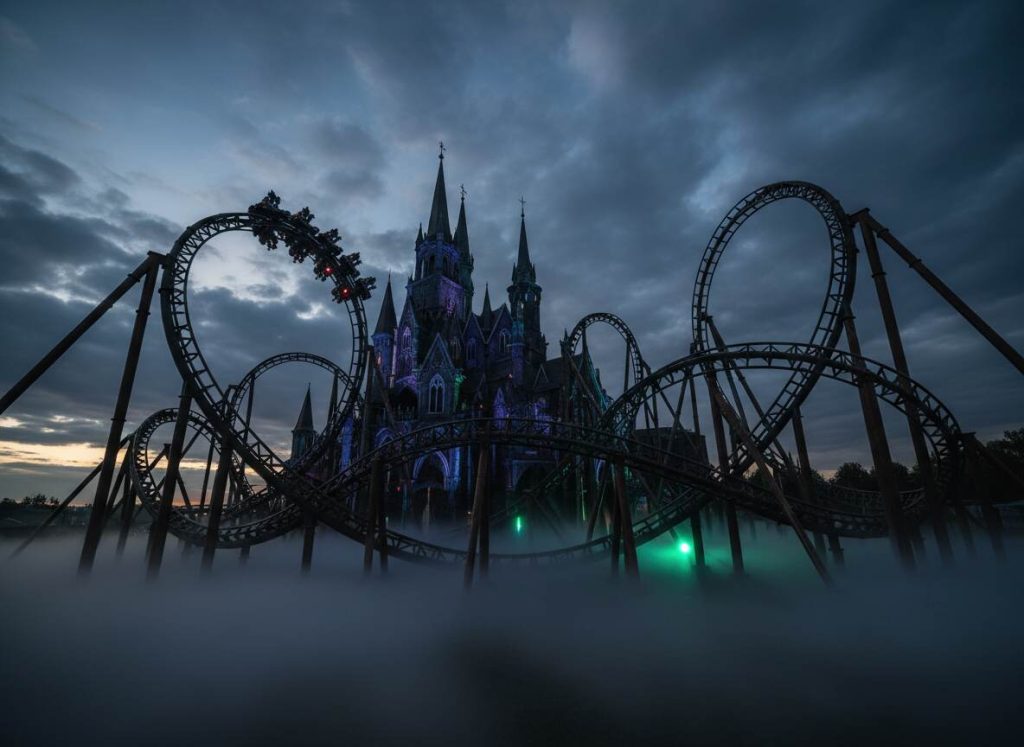
What Makes a Roller Coaster Creepy?
Before exploring specific creepy coasters, it’s helpful to understand what makes a coaster creepy. Creepiness is subjective—what unsettles one person might not bother another. However, certain elements consistently contribute to a creepy coaster experience.
Dark Theming and Storytelling
Dark theming refers to the narrative and visual elements that create an unsettling atmosphere. A coaster with dark theming might tell a story about a haunted location, a cursed artifact, or a sinister event. The theming is woven throughout the queue, station, and ride experience, creating a cohesive narrative that builds dread and anticipation.
Effective dark theming uses storytelling to create emotional investment. Riders aren’t just experiencing a coaster—they’re participating in a narrative that unfolds throughout the experience. This narrative element makes the ride more memorable and impactful than a coaster without theming.
Gothic and Eerie Aesthetics
The visual design of a coaster contributes significantly to its creepiness. Gothic architecture, dark colors, weathered materials, and unsettling imagery all contribute to an eerie aesthetic. A coaster that looks ancient, decayed, or otherworldly creates a sense of unease before riders even board.
Effective creepy design uses visual elements to suggest danger, decay, or supernatural forces. Broken structures, twisted metal, skeletal designs, and dark color schemes all contribute to the overall creepy aesthetic.
Sound Design and Atmosphere
Sound design plays a crucial role in creating a creepy atmosphere. Eerie music, unsettling sound effects, and ambient audio all contribute to the overall experience. A coaster with effective sound design creates a sense of dread and anticipation that enhances the physical thrills of the ride.
Ambient sounds like wind, creaking metal, or distant screams can make a coaster feel more unsettling. Music that builds tension or creates an ominous mood enhances the emotional impact of the experience.
Unexpected Thrills and Disorientation
Creepy coasters often use unexpected thrills and disorientation to enhance the unsettling experience. A coaster that surprises riders with sudden drops, unexpected turns, or disorienting elements creates a sense of loss of control. This loss of control, combined with dark theming, creates a genuinely frightening experience.
Haunted House Coasters: Where Dark Theming Meets Thrills
Some of the creepiest coasters are those designed with haunted house themes. These coasters combine the thrills of a roller coaster with the atmosphere of a haunted attraction.
Phantom’s Revenge (Kennywood, Pennsylvania, USA)
Phantom’s Revenge is a wooden coaster with a haunted mansion theme. The coaster is themed around a phantom that haunts an old mansion. The queue winds through a creepy mansion setting, and the coaster itself features dark theming throughout.
The coaster’s name references the phantom that haunts the attraction. The theming suggests that riders are entering the domain of a supernatural entity. The dark, gothic aesthetic of the station and queue creates an unsettling atmosphere before riders even board the coaster.
The ride experience itself is thrilling, with exceptional airtime and pacing. However, the dark theming adds an extra layer of intensity to the experience. Riders aren’t just experiencing thrills—they’re experiencing them within a narrative context that suggests danger and supernatural forces.
Haunted Mine Drop (Glenwood Caverns Adventure Park, Colorado, USA)
Haunted Mine Drop is a drop tower coaster located inside a real cave system in Colorado. The coaster combines the thrills of a drop tower with the eerie atmosphere of a cave setting.
The coaster is themed around a haunted mine. Riders board the coaster inside the cave, surrounded by rock formations and darkness. The theming suggests that riders are descending into a haunted, abandoned mine where supernatural forces are at work.
The ride experience is intense—a vertical drop from a significant height. However, the cave setting and dark theming create an atmosphere of genuine dread. Riders experience the thrill of the drop while surrounded by the eerie atmosphere of the cave environment.
What makes Haunted Mine Drop particularly creepy is the combination of the real cave setting with the dark theming. The natural darkness and enclosed space of the cave create an atmosphere that feels genuinely dangerous and otherworldly.
Spooky Empire (Various Parks)
Several parks feature haunted house coasters or dark-themed coasters that operate during Halloween season. These attractions combine coaster thrills with haunted house elements, creating a unique experience that blends two popular forms of entertainment.
Haunted house coasters often feature actors in costume, interactive elements, and special effects that enhance the dark theming. These attractions are particularly popular during Halloween season when parks capitalize on the spooky atmosphere.
Gothic and Skeletal Designs: Coasters That Look Creepy
Some creepy coasters are creepy primarily because of their visual design. These coasters feature gothic architecture, skeletal designs, or other unsettling aesthetics that make them look genuinely eerie.
Verrückt (Bolliger & Mabillard, Multiple Parks)
Verrückt hypercoasters feature a distinctive skeletal design with exposed track and minimal support structure. The coasters have a stark, angular aesthetic that can appear unsettling, particularly when viewed from certain angles.
The skeletal design of Verrückt coasters creates a sense of exposure and vulnerability. Riders can see the track structure clearly, which can create a feeling of riding on a fragile structure. This visual design, combined with the thrills of the coaster, creates an unsettling experience for some riders.
The name “Verrückt” is German for “crazy” or “insane,” which adds to the unsettling nature of the coaster. The combination of the stark design, the name, and the intense thrills create a coaster that feels genuinely dangerous and unhinged.
Alpengeist (Busch Gardens Williamsburg, Virginia, USA)
Alpengeist is an inverted coaster themed around a supernatural creature from Alpine folklore. The coaster’s name references a ghost or spirit that haunts the Alps. The theming suggests that riders are encountering a supernatural entity.
The coaster’s design is angular and skeletal, with exposed track and minimal theming elements. The inverted design means that riders hang below the track, which creates a sense of exposure and vulnerability. The combination of the inverted design, the skeletal aesthetic, and the supernatural theming creates a genuinely unsettling experience.
The coaster’s queue and station feature gothic architecture and eerie imagery that reinforces the supernatural theme. The overall aesthetic suggests that riders are entering the domain of a supernatural creature.
Montu (Busch Gardens Tampa Bay, Florida, USA)
Montu is an inverted coaster themed around an Egyptian deity. The coaster’s name references Montu, an Egyptian god of war. The theming suggests that riders are encountering an ancient, powerful supernatural force.
The coaster features egyptian-inspired theming, with hieroglyphics, statues, and other imagery that suggests ancient power and mystery. The inverted design creates a sense of exposure and vulnerability. The combination of the ancient theming, the inverted design, and the intense thrills create a coaster that feels genuinely dangerous and otherworldly.
The queue winds through egyptian-themed areas with eerie imagery and atmospheric elements. The overall aesthetic suggests that riders are entering a tomb or temple dedicated to an ancient, powerful deity.
Coasters with Dark Storylines and Narratives
Some creepy coasters are creepy because of the stories they tell. These coasters feature dark narratives that create emotional investment and enhance the overall experience.
Nemesis (Alton Towers, UK)
Nemesis is an inverted coaster at Alton Towers with a dark, sci-fi themed storyline. The coaster’s narrative involves an alien creature that has crashed to Earth and is now imprisoned beneath the theme park. Riders board the coaster to encounter this creature.
The theming is elaborate and immersive. The queue features futuristic and alien-themed elements that suggest an encounter with an extraterrestrial entity. The station is designed to look like a containment facility for a dangerous creature.
The ride experience itself is intense, with multiple inversions and thrilling elements. However, the dark narrative adds an extra layer of intensity. Riders aren’t just experiencing thrills—they’re experiencing them within a narrative context that suggests danger from an alien entity.
Nemesis has been reimagined and updated over the years, with new theming and storylines added to keep the attraction fresh. The enduring popularity of the coaster demonstrates the appeal of dark narratives in coaster design.
The Smiler (Alton Towers, UK)
The Smiler is a roller coaster with a dark, psychological thriller theme. The coaster’s narrative involves a sinister character known as “The Smiler” who operates a twisted amusement park. Riders board the coaster to experience attractions within this twisted park.
The theming is deliberately unsettling, with imagery and elements that suggest psychological disturbance and danger. The queue features creepy imagery, disturbing sounds, and atmospheric elements that create a sense of dread.
The ride experience is intense, with 14 inversions—more than any other coaster in the world. The high number of inversions creates a disorienting, dizzying experience that enhances the unsettling nature of the attraction.
The Smiler is notable for its psychological horror theme. Rather than relying on supernatural elements or gore, the coaster creates unease through psychological elements and the suggestion of mental instability. This approach creates a genuinely disturbing experience for many riders.
Slender (Energylandia, Poland)
Slender is a coaster themed around the internet horror meme “Slenderman.” The coaster features dark theming based on the creepy folklore surrounding the Slenderman character. The narrative suggests that riders are encountering this supernatural entity.
The theming features dark forests, eerie imagery, and atmospheric elements that suggest an encounter with a supernatural creature. The coaster’s design and theming create a genuinely unsettling experience.
Slender demonstrates how modern internet culture and folklore can be incorporated into coaster theming. The coaster appeals to younger riders who are familiar with the Slenderman meme and the creepy folklore surrounding the character.
Coasters in Eerie Locations: Setting as Creepiness
Some coasters are creepy not because of their theming or design, but because of their location or setting. These coasters are situated in environments that are naturally eerie or unsettling.
Verrückt (Energylandia, Poland)
Energylandia is a theme park in Poland that features several coasters with dark theming. The park’s overall aesthetic is darker and more gothic than typical theme parks, which creates an unsettling atmosphere throughout the park.
The park’s location in Poland, combined with its dark theming, creates a sense of European gothic atmosphere. The park’s design and theming suggest a darker, more mysterious version of a theme park experience.
Abandoned and Derelict Coaster Locations
Some of the creepiest coaster experiences come from visiting abandoned or derelict amusement parks. These locations feature coasters that are no longer operating, surrounded by decay and abandonment. The eerie atmosphere of these locations makes them genuinely creepy.
Abandoned parks like Pripyat Amusement Park in Ukraine (abandoned after the Chernobyl disaster) or Nara Dreamland in Japan (closed in 2016) feature decaying coasters and attractions that create a genuinely unsettling atmosphere. The combination of abandoned infrastructure, decay, and the history of these locations creates a profoundly eerie experience.
While visiting these abandoned parks is often illegal or dangerous, the creepy aesthetic of abandoned coasters has captured public imagination. Photographs and videos of abandoned coasters have become popular online, demonstrating the appeal of creepy, decaying attractions.
Horror-Themed Coasters: Explicit Darkness
Some parks feature coasters with explicit horror themes that don’t shy away from dark imagery, gore, or disturbing content. These coasters are designed for adult audiences seeking a genuinely frightening experience.
Insano (Beach Park, Brazil)
Insano is a water slide coaster with a dark, horror-inspired theme. The coaster features imagery and theming that suggests danger and horror. The ride experience combines the thrills of a water slide with the unsettling atmosphere of a horror-themed attraction.
The theming and design of Insano create an atmosphere of danger and unease. The coaster’s name suggests insanity and chaos, which is reflected in the design and theming.
Saw – The Ride (Thorpe Park, UK)
Saw – The Ride is a coaster themed around the horror film franchise “Saw.” The coaster features dark theming based on the films, including imagery and elements that reference the films’ torture and horror elements.
The theming is deliberately disturbing, with imagery and elements that suggest danger and torture. The queue features scenes and imagery from the films that create a sense of dread and unease.
The ride experience is intense, with multiple inversions and thrilling elements. However, the horror theming adds an extra layer of intensity. Riders aren’t just experiencing thrills—they’re experiencing them within a narrative context that suggests danger and torture.
Saw – The Ride demonstrates how intellectual property from horror films can be incorporated into coaster design. The coaster appeals to fans of the film franchise who want to experience a coaster themed around their favorite films.
The Exorcist: Believer – Expedition (Kings Dominion, Virginia, USA)
The Exorcist: Believer – Expedition is a coaster themed around the horror film “The Exorcist.” The coaster features dark theming based on the film, including imagery and elements that reference the film’s supernatural horror elements.
The theming is deliberately unsettling, with imagery and elements that suggest supernatural danger and possession. The queue features scenes and imagery from the film that create a sense of dread and unease.
The ride experience combines the thrills of a coaster with the unsettling atmosphere of a horror-themed attraction. Riders aren’t just experiencing thrills—they’re experiencing them within a narrative context that suggests supernatural danger.
Psychological Horror Coasters: Fear Without Gore
Some of the creepiest coasters rely on psychological horror rather than explicit gore or disturbing imagery. These coasters create unease through atmosphere, narrative, and design elements that suggest danger without being explicitly graphic.
Some coasters incorporate darkride elements—sections where riders travel through darkness or enclosed spaces. These elements create a sense of disorientation and unease that enhances the overall creepy experience.
Darkride elements can include tunnels, enclosed sections, or indoor portions of the coaster. These elements create a sense of being trapped or enclosed, which can be genuinely unsettling for some riders. The combination of darkness, enclosed spaces, and the physical thrills of the coaster creates a unique experience.
Coasters like Space Mountain at Disney Parks feature darkride elements that create a sense of traveling through space or an otherworldly environment. While Space Mountain is not explicitly creepy, the darkride elements create an atmosphere of mystery and the unknown.
Disorientation and Loss of Control
Creepy coasters often use disorientation and loss of control to enhance the unsettling experience. Coasters with multiple inversions, unexpected turns, or disorienting elements create a sense that riders have lost control of the situation.
The Smiler, with its 14 inversions, is a prime example of a coaster that uses disorientation to create an unsettling experience. The high number of inversions creates a dizzying, disorienting ride that makes riders feel genuinely out of control.
Psychological horror relies on the viewer’s imagination and emotional response rather than explicit imagery. A coaster that creates a sense of loss of control and disorientation can be more frightening than a coaster with explicit horror imagery.
Coasters Inspired by Folklore and Mythology
Some creepy coasters draw inspiration from folklore, mythology, and cultural legends. These coasters incorporate elements from traditional stories and beliefs that have frightened people for centuries.
Banshee (Kings Island, Ohio, USA)
Banshee is an inverted coaster named after the Irish folklore creature known as the banshee. According to legend, a banshee is a female spirit whose wailing foretells the death of a family member. The coaster’s name evokes this creepy folklore.
The coaster features theming inspired by Irish folklore, with elements that suggest an encounter with a supernatural creature. The inverted design creates a sense of exposure and vulnerability that enhances the unsettling nature of the attraction.
The coaster’s name and theming create an atmosphere of dread and foreboding. Riders are encouraged to think of themselves as encountering a supernatural entity from folklore.
Griffon (Busch Gardens Williamsburg, Virginia, USA)
Griffon is a dive coaster named after the mythological creature known as the griffon—a creature with the head and wings of an eagle and the body of a lion. The coaster’s name and theming reference this powerful, dangerous creature from mythology.
The coaster features theming inspired by mythology, with elements that suggest an encounter with a powerful, dangerous creature. The dive coaster design, with its vertical drop, creates a sense of danger and exposure.
The coaster’s theming suggests that riders are encountering a mythological creature. The combination of the mythological theming and the intense thrills of the coaster create an experience that feels genuinely dangerous.
Medusa (Six Flags Discovery Kingdom, California, USA)
Medusa is a floorless coaster named after the mythological creature Medusa—a creature with snakes for hair whose gaze turns people to stone. The coaster’s name evokes this creepy mythology.
The coaster features theming inspired by Greek mythology, with elements that suggest an encounter with the mythological creature. The floorless design creates a sense of exposure and vulnerability that enhances the unsettling nature of the attraction.
The coaster’s theming and design create an atmosphere of danger and supernatural power. Riders are encouraged to think of themselves as encountering a powerful, dangerous creature from mythology.
Coasters with Unsettling Visual Effects and Lighting
Some creepy coasters use visual effects and lighting to create an unsettling atmosphere. These coasters rely on lighting design, projections, and special effects to enhance the creepy experience.
Lighting Design and Atmosphere
Effective lighting design can transform a coaster from thrilling to genuinely creepy. Dark lighting, strobe effects, and colored lighting can all contribute to an unsettling atmosphere.
Coasters that operate at night with special lighting effects can create a particularly creepy experience. The darkness combined with strategic lighting creates shadows, highlights, and visual effects that enhance the unsettling nature of the attraction.
Projection Mapping and Special Effects
Modern coasters increasingly use projection mapping and special effects to enhance theming and create immersive experiences. These technologies can be used to create genuinely creepy visual effects.
Projections of ghostly figures, supernatural creatures, or disturbing imagery can enhance the creepy atmosphere of a coaster. Special effects like fog, lighting changes, and sound effects can all contribute to an unsettling experience.
As technology advances, coasters will increasingly use projection mapping and special effects to create more immersive and creepy experiences. These technologies allow for dynamic, changing theming that can be updated and modified over time.
The Psychology of Creepy Coasters: Why We Seek Out Fear
Why do people ride creepy coasters? Why do we seek out experiences designed to frighten and unsettle us? Understanding the psychology of creepy coasters helps explain their appeal.
Controlled Fear and Safe Danger
Creepy coasters provide an opportunity to experience fear in a controlled, safe environment. Riders know that they are safe—the coaster is engineered and maintained to strict safety standards. However, the theming and design create the illusion of danger.
This combination of real safety and perceived danger creates a unique psychological experience. Riders can experience the emotional response of fear without the actual danger. This allows people to explore their emotional responses to fear in a safe context.
Adrenaline and Emotional Catharsis
Fear triggers an adrenaline response in the body. Riding a creepy coaster causes the body to release adrenaline, which creates a rush of energy and heightened awareness. This adrenaline rush can be pleasurable and exciting.
Additionally, experiencing fear in a safe context can provide emotional catharsis. Riders can confront their fears and overcome them, which can be psychologically rewarding. This sense of accomplishment and overcoming fear can be deeply satisfying.
Narrative Engagement and Immersion
Creepy coasters with strong theming and narratives create a sense of immersion and narrative engagement. Riders are not just experiencing a physical thrill—they are participating in a story or narrative.
This narrative engagement creates emotional investment in the experience. Riders care about the story and the outcome, which enhances the overall impact of the ride. The combination of physical thrills and narrative engagement creates a memorable, impactful experience.
Social Experience and Shared Fear
Many people ride creepy coasters with friends or family members. The shared experience of fear can create bonding and social connection. Experiencing fear together, overcoming it together, and discussing the experience afterward creates a shared memory and strengthens social bonds.
The social aspect of riding creepy coasters is significant. People often ride with others specifically to share the experience of fear and excitement. This social dimension adds another layer of appeal to creepy coasters.
The Evolution of Creepy Coaster Design
Creepy coaster design has evolved significantly over the decades. Early coasters relied primarily on physical thrills, while modern creepy coasters incorporate elaborate theming, storytelling, and special effects.
Early Creepy Coasters: Simplicity and Suggestion
Early coasters with dark or creepy themes relied on simplicity and suggestion. Rather than elaborate theming or special effects, early creepy coasters used simple design elements and the rider’s imagination to create an unsettling atmosphere.
The Cyclone at Coney Island, while not explicitly creepy, has a dark, gothic aesthetic that creates an eerie atmosphere. The coaster’s age, weathered appearance, and skeletal design create a sense of danger and decay.
Mid-Era Creepy Coasters: Theming and Storytelling
By the 1980s and 1990s, coaster designers began incorporating more elaborate theming and storytelling into creepy coasters. Coasters like Nemesis at Alton Towers featured immersive theming, narrative elements, and atmospheric design that created genuinely creepy experiences.
This era saw the development of more sophisticated theming techniques, including elaborate queue design, atmospheric music and sound effects, and visual storytelling elements. These techniques created more immersive and impactful creepy coaster experiences.
Modern Creepy Coasters: Technology and Immersion
Modern creepy coasters incorporate advanced technology, projection mapping, special effects, and interactive elements. These coasters create highly immersive experiences that engage multiple senses and create genuinely frightening experiences.
Coasters like The Smiler and Slender represent the pinnacle of modern creepy coaster design. These coasters combine intense physical thrills with elaborate theming, storytelling, special effects, and psychological horror elements. The result is a genuinely frightening and memorable experience.
As technology continues to advance, creepy coaster design will likely become even more sophisticated. Virtual reality integration, advanced projection mapping, and other technologies will allow for increasingly immersive and frightening experiences.
Experiencing Creepy Coasters: Tips and Recommendations
If you’re interested in experiencing creepy coasters, here are some tips and recommendations for getting the most out of the experience.
Embrace the Narrative
Pay attention to the theming, storyline, and narrative elements of the coaster. Read the queue signage, listen to the audio elements, and engage with the story. The more you engage with the narrative, the more impactful the experience will be.
Allow yourself to be immersed in the experience. Suspend disbelief and engage with the story as if it were real. This level of engagement enhances the emotional impact of the ride.
Experience at Night
Many creepy coasters are more effective at night. The darkness enhances the atmospheric elements and makes the theming more impactful. If possible, experience creepy coasters during evening or night hours for maximum effect.
The darkness also enhances lighting effects and projections, which are often key elements of creepy coaster theming. Night rides often provide a more immersive and frightening experience.
Ride with Others
Riding creepy coasters with friends or family members enhances the experience. The shared experience of fear and excitement creates bonding and makes the experience more memorable. Additionally, experiencing fear with others can make the fear feel more manageable.
Don’t Spoil the Experience
Avoid reading detailed descriptions or watching videos of creepy coasters before experiencing them. The element of surprise and not knowing what to expect enhances the creepy and frightening nature of the experience. Going in with minimal knowledge allows the coaster to surprise and unsettle you more effectively.
Respect Your Comfort Level
Creepy coasters are designed to frighten and unsettle. If you have specific phobias or sensitivities, be aware of what you’re getting into. It’s okay to skip a coaster if you feel it will be too frightening or disturbing for you.
However, many people find that experiencing fear in a controlled context can be rewarding and empowering. If you’re willing to push your comfort level slightly, creepy coasters can provide a unique and memorable experience.
The Appeal of Creepy Coasters to Different Audiences
Creepy coasters appeal to different audiences for different reasons.
Thrill-Seekers and Enthusiasts
Hardcore coaster enthusiasts appreciate creepy coasters for their innovative design, theming, and storytelling. The combination of physical thrills with narrative and atmospheric elements creates a more complex and interesting experience than a straightforward thrill coaster.
Enthusiasts often seek out creepy coasters specifically for their unique theming and design. The creepy aesthetic is part of what makes these coasters special and memorable.
Horror Fans and Dark Entertainment Enthusiasts
People who enjoy horror films, haunted attractions, and other dark entertainment are naturally drawn to creepy coasters. These coasters combine the thrills of a coaster with the atmospheric and narrative elements of horror entertainment.
For horror fans, creepy coasters offer a unique way to engage with horror themes and narratives. The physical thrills of the coaster add another dimension to the horror experience.
Casual Visitors and Families
Even casual visitors and families can enjoy creepy coasters, though the level of creepiness varies. Some creepy coasters are designed to be more family-friendly, with theming that is spooky but not genuinely frightening. Other creepy coasters are designed for adult audiences and are genuinely disturbing.
Parks often offer creepy coasters at different intensity levels, allowing visitors of different comfort levels to find an appropriate experience. A family might enjoy a spooky-but-fun haunted house coaster, while adult horror fans might seek out a more genuinely disturbing horror-themed coaster.
Creepy Coasters Around the World
Creepy coasters exist around the world, with different regions developing their own traditions and approaches to dark coaster theming.
European Creepy Coasters
Europe has a strong tradition of dark, gothic theming in coasters. Parks like Alton Towers in the UK and Energylandia in Poland feature some of the world’s creepiest coasters. The European gothic tradition influences coaster design, resulting in coasters with darker, more sophisticated theming.
American Creepy Coasters
American parks often feature creepy coasters with horror and supernatural themes. Coasters themed around horror films, haunted attractions, and supernatural narratives are popular in American parks.
Asian Creepy Coasters
Asian parks have developed their own approaches to creepy coaster design. Japanese parks, in particular, have created some genuinely unsettling coasters with unique theming and design elements.
The Future of Creepy Coaster Design
As technology advances and coaster design evolves, creepy coasters will likely become even more sophisticated and immersive. Future creepy coasters may incorporate virtual reality, advanced projection mapping, interactive elements, and other technologies that create increasingly frightening and immersive experiences.
The popularity of creepy coasters suggests that there will continue to be demand for dark, horror-themed attractions. Parks will likely continue to invest in creepy coaster design and theming.
Additionally, as horror entertainment continues to evolve, creepy coaster theming will likely evolve as well. New horror narratives, folklore, and cultural references will be incorporated into coaster design, keeping the attractions fresh and relevant.
Conclusion: The Enduring Appeal of Creepy Coasters
Creepy roller coasters represent a unique intersection of thrills and terror. These attractions combine the physical excitement of a roller coaster with dark theming, eerie aesthetics, and unsettling narratives that create genuinely frightening experiences.
What makes creepy coasters special is their ability to engage multiple dimensions of the human experience—physical thrills, emotional responses, narrative engagement, and social connection. A great creepy coaster is not just a thrilling ride—it’s an immersive experience that tells a story, creates an atmosphere, and engages the rider’s imagination.
Whether you’re a hardcore coaster enthusiast seeking innovative design, a horror fan looking for a unique way to engage with dark themes, or a casual visitor looking for something different, creepy coasters offer something special. They remind us that amusement parks can be more than just places of simple fun—they can be places where we confront our fears, engage with dark narratives, and create memorable experiences.
The creepiest coasters in the world are testaments to the creativity and artistry of coaster designers.
