Some of the most influential roller coasters ever built are now gone. They’ve been dismantled, scrapped, or left to rot in abandoned parks, but their impact on coaster design and engineering lives on. These forgotten rides didn’t just entertain millions of guests—they pioneered technologies and design philosophies that shaped the entire industry. Let me take you through the rides that changed everything, even if most people have forgotten they ever existed.
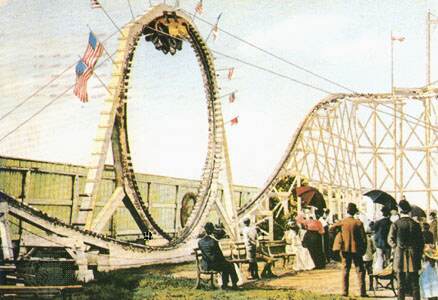
The Bat: The Ride That Brought Suspended Coasters Back to Life
Distance from reality: Kings Island, Mason, Ohio (1981-1984)
When Arrow Dynamics introduced The Bat at Kings Island in 1981, they weren’t just building a coaster—they were resurrecting a concept that hadn’t been seen in nearly a century. The suspended coaster had been dormant since the early 1900s, and The Bat proved that the concept could work with modern engineering and safety standards.
The Bat was revolutionary. Riders sat in a train that hung beneath the track, swinging freely as the coaster navigated turns and drops. This created a sensation unlike anything else in the amusement park world. The ride was thrilling, immersive, and genuinely innovative.
But here’s the thing: The Bat was also problematic. It had operational issues, maintenance challenges, and a relatively short lifespan. After just three years, it was removed from Kings Island. However, its legacy was enormous. The Bat proved that suspended coasters could work, and it inspired Arrow Dynamics to refine the concept, leading to more successful suspended coasters like Vortex and Ninja.
Without The Bat, the suspended coaster category might never have been revived. The ride’s influence extends far beyond its three-year operational lifespan.
Vortex: The Inverted Coaster That Defined a Generation
Distance from reality: Kings Island, Mason, Ohio (1987-2020)
Vortex was a different kind of suspended coaster—an inverted coaster where riders’ feet dangled freely above the track. When it opened at Kings Island in 1987, it was a game-changer. This wasn’t just another coaster; it was a completely new way to experience a ride.
Vortex operated for 33 years, making it one of the longest-running inverted coasters in the world. During that time, it became a beloved classic and a defining ride for an entire generation of coaster enthusiasts. The ride’s influence on coaster design was profound. It proved that inverted coasters could be both thrilling and maintainable, and it inspired countless similar designs from other manufacturers.
Arrow Dynamics built numerous inverted coasters after Vortex, and other manufacturers followed suit. Today, inverted coasters are a staple of major theme parks around the world. But it all started with Vortex, a ride that many people have now forgotten about.
When Vortex closed in 2020, it marked the end of an era. The ride had become somewhat rough and dated by modern standards, but its legacy as a pioneering inverted coaster remains undeniable.
Shockwave: The Coaster With the Most Loops Ever Built
Distance from reality: Six Flags Great America, Gurnee, Illinois (1988-2015)
Shockwave held a record that stood for years: the most loops of any roller coaster in the world. This Arrow Dynamics custom looping coaster featured seven inversions, which was an astounding number for the time. When it opened in 1988, Shockwave was a marvel of engineering and a testament to what was possible with steel coaster design.
The ride’s influence wasn’t just about the number of loops. Shockwave represented a shift in coaster design philosophy. Manufacturers were pushing the boundaries of what was possible, creating coasters with more inversions, more intensity, and more complexity. Shockwave was at the forefront of this movement.
Shockwave operated for 27 years before being removed in 2015. During that time, it inspired countless other multi-inversion coasters and helped establish the “inversion arms race” that continues to this day. Modern coasters like Steel Vengeance and other hypermodern designs owe a debt to Shockwave’s pioneering approach to loop design and intensity.
HyperSonic XLC: The Prototype for the Launch Coaster Revolution
Distance from reality: Kings Dominion, Doswell, Virginia (2001-2007)
HyperSonic XLC was a Thrust Air 2000 coaster—a prototype that preceded Top Thrill Dragster at Cedar Point. This ride was groundbreaking in its use of a hydraulic launch system that could accelerate the train from 0 to 80 mph in just 1.9 seconds. It was one of the first coasters to use this technology, and it paved the way for the launch coaster revolution that followed.
The ride operated for only six years before being removed, but its impact was enormous. HyperSonic XLC proved that hydraulic launch systems could work reliably and safely. It demonstrated that coasters didn’t need traditional lift hills anymore—they could launch riders at incredible speeds and create sensations that were previously impossible.
Top Thrill Dragster at Cedar Point, which opened in 2003, took the concept that HyperSonic XLC pioneered and made it even more extreme. Today, launch coasters are a major category in the industry, with parks around the world investing in these thrilling attractions. It all traces back to HyperSonic XLC, a ride that most people have never heard of.
Volcano: The Blast Coaster: The Inverted Launch Coaster Pioneer
Distance from reality: Kings Dominion, Doswell, Virginia (1998-2019)
Volcano: The Blast Coaster was another groundbreaking Intamin coaster that combined a hydraulic launch system with an inverted track. This was a completely unique concept—riders were launched at high speeds while hanging upside down beneath the track. It was thrilling, innovative, and unlike anything else in the world.
Volcano operated for 21 years and was beloved by coaster enthusiasts. Its influence on coaster design was significant. It proved that launch systems could be combined with inverted designs, opening up new possibilities for coaster manufacturers. The ride’s engineering was sophisticated and reliable, demonstrating that complex hybrid designs could work.
When Volcano was removed in 2019, it marked the loss of a truly unique coaster. There was nothing else like it in the world, and there may never be again. But its influence on the industry remains. Modern coasters that combine multiple innovative elements owe a debt to Volcano’s pioneering approach.
Son of Beast: The Wooden Hyper Coaster That Pushed Boundaries
Distance from reality: Kings Island, Mason, Ohio (2000-2020)
Son of Beast was a wooden hyper coaster—a hybrid design that combined wooden coaster aesthetics with steel track technology. When it opened in 2000, it was the tallest and fastest wooden coaster in the world. It was also one of the roughest, most intense wooden coasters ever built.
Son of Beast’s influence was complex. On one hand, it demonstrated that wooden coasters could reach new heights of intensity and speed. On the other hand, it showed that there were limits to how intense a wooden coaster could be while still being enjoyable. The ride was notoriously rough, and many riders found it uncomfortable rather than thrilling.
Despite its roughness, Son of Beast was influential. It inspired other parks to build tall, fast wooden coasters. It also sparked important conversations about the balance between intensity and comfort in coaster design. Modern wooden coasters have learned from Son of Beast’s mistakes, creating rides that are intense but also rideable.
When Son of Beast closed in 2020, it marked the end of an era of extreme wooden coasters. The ride had been retracked multiple times in an attempt to make it more comfortable, but ultimately, it couldn’t overcome its reputation for roughness.
The Bat (Busch Gardens Williamsburg): The Suspended Coaster That Lasted
Distance from reality: Busch Gardens Williamsburg, Virginia (1990-2015)
While The Bat at Kings Island was short-lived, The Bat at Busch Gardens Williamsburg proved that suspended coasters could have a long operational lifespan. This Arrow Dynamics suspended coaster operated for 25 years, becoming one of the most beloved suspended coasters in the world.
The Bat at Busch Gardens demonstrated that suspended coasters could be maintained reliably and operated safely for decades. Its longevity proved that the suspended coaster category was viable, and it influenced the design of future suspended coasters. The ride’s smooth, graceful design became a template for other manufacturers.
When The Bat closed in 2015, it was still operating well. The park made the decision to remove it based on its age and the cost of maintenance, but the ride had proven its worth. Its 25-year operational lifespan was a testament to Arrow’s engineering and the viability of the suspended coaster concept.
Firehawk: The Stand-Up Inverted Coaster Hybrid
Distance from reality: Kings Island, Mason, Ohio (2000-2019)
Firehawk was a unique hybrid coaster—a stand-up inverted coaster where riders stood upright while hanging beneath the track. This was an incredibly uncomfortable design, and the ride was known for being rough and painful. But it was also innovative and influential.
Firehawk proved that stand-up inverted coasters were possible, even if they weren’t particularly enjoyable. The ride’s existence influenced the design of future inverted coasters, as manufacturers learned from Firehawk’s mistakes. Modern inverted coasters are designed with comfort in mind, and Firehawk’s painful legacy helped drive that evolution.
When Firehawk closed in 2019, many enthusiasts were relieved. The ride had become increasingly rough and uncomfortable over its 19-year operational lifespan. But its influence on coaster design remained significant.
The Lesson of Forgotten Rides
These forgotten coasters all share something in common: they pushed boundaries, took risks, and pioneered new concepts. Some of them were successful and beloved. Others were rough, uncomfortable, or problematic. But all of them contributed to the evolution of coaster design and engineering.
The rides that shaped coaster history aren’t always the ones that are still standing. Sometimes, the most influential coasters are the ones that have been dismantled and forgotten. They’re the prototypes, the experiments, and the pioneers that taught the industry what works and what doesn’t.
When you ride a modern coaster, you’re experiencing the cumulative knowledge of decades of coaster design. Every smooth turn, every well-engineered inversion, every comfortable restraint system—these are the results of lessons learned from forgotten rides like The Bat, Vortex, Shockwave, HyperSonic XLC, Volcano, Son of Beast, and countless others.
These rides may be gone, but their legacy lives on in every coaster that’s built today. They’re the forgotten pioneers of the amusement park world, and they deserve to be remembered.
Preserving Coaster History
As coaster enthusiasts, we have a responsibility to remember and honor the rides that shaped our hobby. Many of these forgotten coasters have been completely demolished, leaving behind only memories and photographs. But some have been preserved in various ways—through detailed documentation, video recordings, and the passionate work of coaster historians and enthusiasts.
If you’re interested in learning more about these forgotten rides, there are numerous resources available online. Coaster databases, YouTube channels dedicated to defunct coasters, and enthusiast communities are all working to preserve the history of these pioneering attractions.
The next time you ride a modern coaster, take a moment to think about the forgotten rides that made it possible. They may be gone, but they’re far from forgotten in the hearts and minds of those who understand coaster history. These rides shaped the industry, and their influence will continue for generations to come.
