El Toro. Just saying the name sends shivers down the spines of coaster enthusiasts around the world. At Six Flags Great Adventure in Jackson, New Jersey, this beast of a wooden roller coaster has earned a legendary reputation—not just for its incredible airtime, but for its notorious roughness. But here’s the thing: the real story of El Toro’s roughness is way more nuanced than the internet hype suggests.
So how rough is El Toro really? The answer isn’t as simple as “very rough” or “surprisingly smooth.” It’s somewhere in between, and it depends on a lot of factors. Let me break down exactly what you’re getting into when you strap into one of those trains.
What Makes El Toro So Intense?
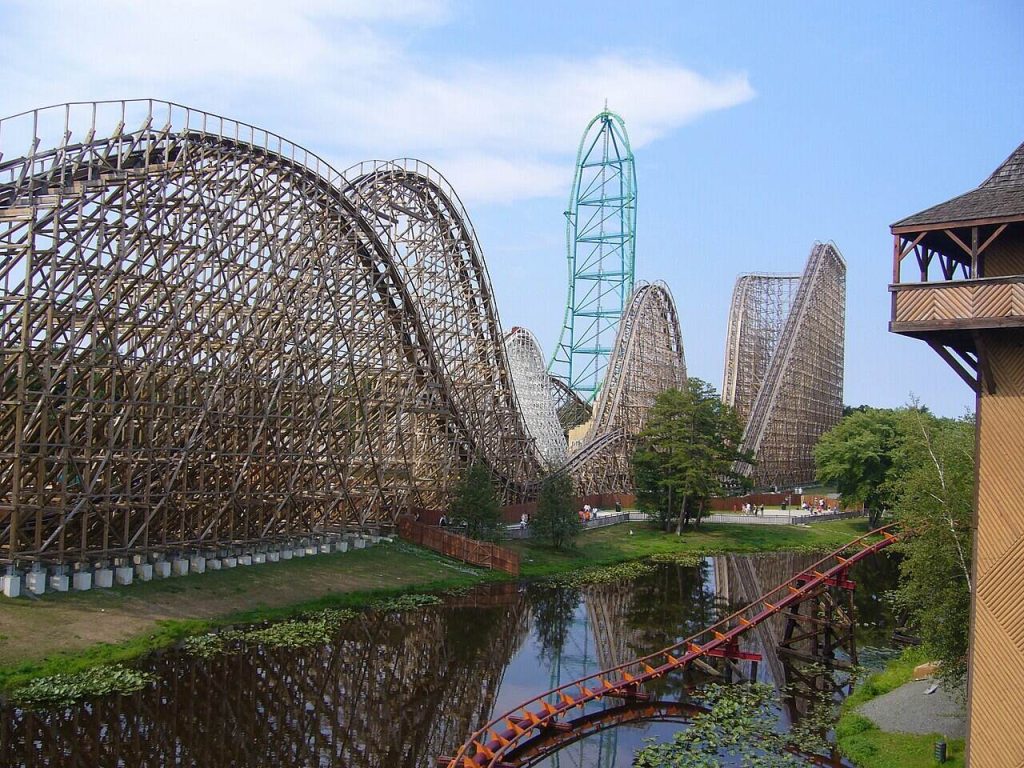
Before we talk about roughness, we need to understand what makes El Toro tick. This isn’t just any wooden coaster. It’s an Intamin prefabricated wooden coaster, which means the wood was laser-cut in a factory and assembled into massive sections before being installed at the park. This construction method allows for incredibly precise engineering and tight tolerances—the kind of precision that makes intense airtime possible.
The numbers tell part of the story. El Toro stands 181 feet tall, drops 176 feet at a 77-degree angle, and reaches speeds of 70 mph. At 4,400 feet long, it’s a substantial ride that doesn’t let up. But what really matters is the track profile and how the train interacts with it.
The magic of El Toro lies in its series of undersized camelback hills. These aren’t your typical airtime hills; they’re engineered to create sustained ejector airtime—the kind where you’re genuinely lifted out of your seat and held there. That sensation is what makes El Toro legendary. It’s also what makes the ride feel rough to some people.
The Roughness Factor: What Riders Actually Experience
Here’s where things get interesting. When people talk about El Toro being rough, they’re usually referring to one of two things: the physical intensity of the airtime and the occasional jolt or vibration in certain sections of the track.
The airtime itself isn’t technically “roughness” in the traditional sense. It’s intense, sustained, and powerful—but it’s also intentional. The coaster is designed to lift you out of your seat repeatedly, and that sensation can feel jarring if you’re not expecting it. First-time riders often describe it as rough because they’re experiencing forces they’ve never felt before on a wooden coaster. Veteran coaster enthusiasts, on the other hand, celebrate this as the whole point of the ride.
The actual track roughness—vibration and jostling—varies depending on where you sit and the current condition of the track. The prefabricated wooden track system is designed to be smoother than traditional wooden coasters, but wooden coasters are inherently rougher than steel coasters. That’s just the nature of the beast.
Where Does El Toro Feel Roughest?
If you’re worried about comfort, here’s what you need to know: certain sections of El Toro are rougher than others.
The turnaround section, which comes in the second half of the ride, is where most riders notice the most vibration and jostling. This tight, banked turn puts a lot of lateral forces on the train, and you’ll definitely feel the track working beneath you. Some riders find this thrilling; others find it uncomfortable. It’s one of the most commonly cited rough spots.
The first half of the ride, particularly the opening hills with their incredible airtime, is actually quite smooth despite the intensity. The airtime is powerful, but the track itself is in good condition and well-maintained. You’ll be lifted out of your seat repeatedly, but you won’t feel like the coaster is beating you up.
The final brake run is relatively gentle, giving you a chance to catch your breath and recover from the onslaught of airtime and intensity.
Maintenance and Track Condition Matter
Here’s something important: El Toro’s roughness isn’t constant. The ride’s condition depends heavily on maintenance and weather. Six Flags Great Adventure invests significantly in maintaining El Toro, and the park has done extensive retracking in recent years to keep the coaster running smoothly.
Riders who’ve experienced El Toro after major maintenance work often report that it runs much smoother than they expected. Some have even called it surprisingly smooth, especially in the retracked sections. This suggests that much of the perceived roughness is actually wear and tear rather than an inherent design flaw.
Weather also plays a role. On cold days, the wood contracts, and the track can feel slightly rougher. On warm days, everything runs a bit smoother. Time of day matters too—the coaster often runs better later in the day after the track has warmed up.
The Prefab Advantage
One thing that helps El Toro avoid being truly rough is its prefabricated construction. Because the wood was laser-cut and precisely engineered in a factory, the track tolerances are tighter than traditional wooden coasters. This precision engineering means that while the ride is intense, it’s not chaotic. You’re not bouncing around unpredictably; you’re experiencing controlled, intentional forces.
Compare this to some older traditional wooden coasters, which can feel genuinely rough and unpredictable. El Toro, by contrast, feels intense but purposeful. The roughness you experience is mostly the airtime and lateral forces, not random vibration and jostling.
Seating Position Matters
Where you sit on El Toro significantly affects how rough the ride feels. Front-row riders experience the airtime more gently because they’re closer to the pivot point of the train. Back-row riders get amplified airtime and more intense lateral forces, especially in the turnaround.
If you’re sensitive to roughness, sitting in the middle or front of the train will give you a smoother experience. If you want the full intensity, the back rows are where the magic happens—but be prepared for a more aggressive ride.
Is El Toro Actually Rough?
So here’s the honest answer: El Toro is intense, not rough. There’s a difference.
Rough implies uncomfortable, chaotic, and unpleasant. El Toro is none of those things. It’s powerful, sustained, and relentless—but it’s also smooth and well-engineered. The airtime is intense, but it’s controlled. The lateral forces in the turnaround are significant, but they’re part of the ride’s design.
Most riders who experience El Toro come away amazed rather than battered. Yes, your body will feel the forces of the ride. Yes, you’ll be lifted out of your seat repeatedly. But you won’t feel like the coaster is breaking you.
That said, El Toro isn’t for everyone. If you’re sensitive to intense airtime or lateral forces, this ride might feel rough to you. If you prefer smooth, gentle coasters, El Toro will feel aggressive. But if you’re a thrill seeker who loves airtime and intensity, El Toro will feel like the smoothest, most perfectly engineered intense coaster you’ve ever ridden.
What to Expect on Your First Ride
If you’re planning to ride El Toro for the first time, here’s what to expect. The lift hill is steep and quick. The first drop is intense but smooth. The opening hills deliver incredible, sustained airtime—the kind where you’re genuinely lifted out of your seat and held there. This is intense, but it’s not rough.
The middle section of the ride continues the airtime assault with a series of well-profiled hills. You’ll be airborne frequently, and the sensation is exhilarating. The turnaround comes next, and this is where you’ll feel the most vibration and lateral force. It’s intense, but it’s also thrilling.
The final hills deliver more airtime, and then you’re into the brake run. You’ll exit the ride with your heart pounding and adrenaline pumping. Most first-time riders are amazed at how smooth the ride felt despite its intensity.
The Verdict
El Toro is rough in the sense that it’s intense, powerful, and relentless. But it’s not rough in the sense of being uncomfortable or poorly maintained. It’s one of the best-engineered wooden coasters in the world, and that engineering shows in every aspect of the ride.
If you’re worried about being beaten up, don’t be. If you’re excited about experiencing one of the most intense and well-designed wooden coasters ever built, you should be. El Toro lives up to its legendary reputation—not because it’s rough, but because it’s perfectly engineered to deliver sustained, incredible airtime in a way that no other wooden coaster can match.
The bull is waiting. Are you ready to ride?
