Six Flags Great Adventure in Jackson, New Jersey is one of those parks where coaster people talk in shorthand. “Toro.” “Nitro.” “Devil.” “Medusa.” You can say one word and everyone in the conversation already knows what you mean, and they already have an opinion.
That is the thing about Great Adventure: it is not just “a park with a lot of coasters.” It is a park with a very specific personality. It is big, it is loud, it is a little chaotic, and it has a coaster lineup that can absolutely carry an entire trip by itself.
This guide is a coaster-by-coaster breakdown of what’s here, what each ride feels like, who it is best for, and how to plan your day around the lineup. I’m also going to be honest about the weak links, because if you are traveling for coasters you deserve truth, not brochure copy.
If you want a quick refresher on coaster terminology (and why certain elements feel the way they do), start here: How Roller Coasters Work: Engineering And Physics. It will make the rest of this post click.
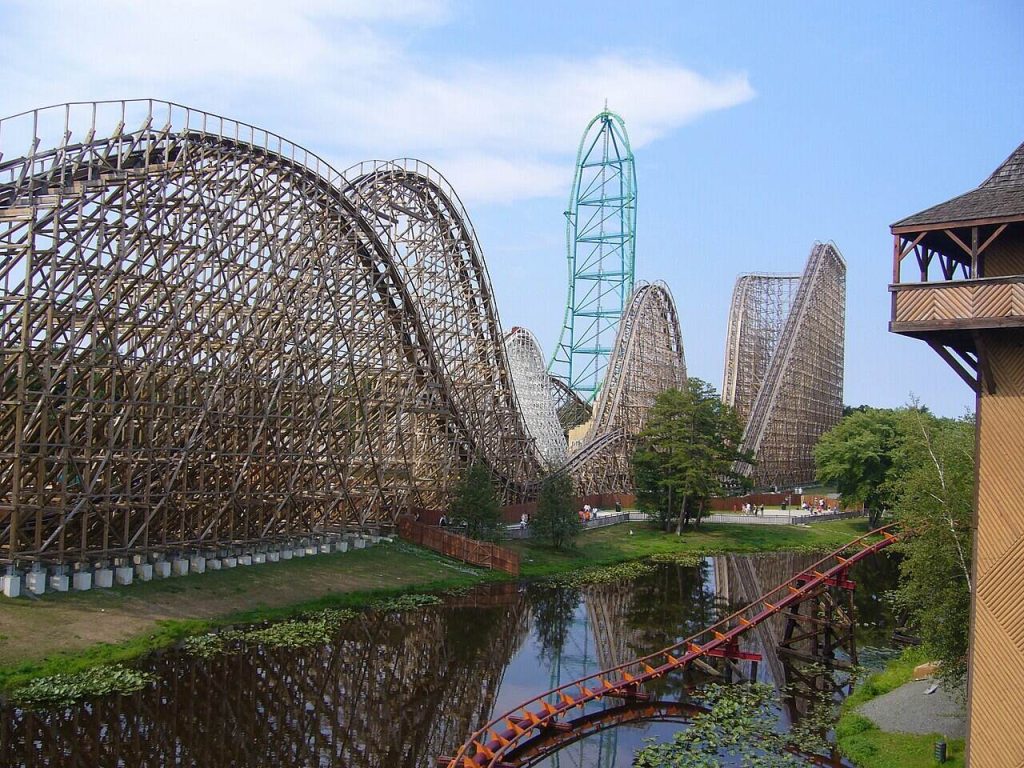
Quick Park Context: Great Adventure’s Coaster “Shape”
Great Adventure’s coaster lineup is built around variety and contrast. You have a world-class wooden coaster that wants to throw you into the next zip code. You have a glossy, high-capacity hyper coaster that feels like flying. You have a modern single-rail that rides like a knife edge. You have a classic B&M floorless that still proves why that model became a staple. You have a flying coaster that is either a dream or a personal betrayal, depending on your tolerance for the pretzel loop.
And then you have a few coasters that exist mostly to soak up crowds and give families something to do. That is normal. Not every coaster is meant to be your new favorite.
Also, because this comes up constantly: Great Adventure is the park where Kingda Ka used to be. If you want the full “what happened, where it was, and what’s next” breakdown, I already wrote it here: Why Roller Coasters Get Removed: The Real Reasons Rides Disappear. (Yes, it is broader than Ka, but the logic is the same.)
El Toro: The Ride That Still Defines The Park
El Toro is the coaster that makes people plan trips. It is the coaster that makes people forgive the park’s rough edges. It is the coaster that makes you understand, in your bones, why wooden coasters are still relevant in an era of steel perfection.
El Toro’s whole thing is aggressive, sustained airtime. Not “cute little pops.” It is the kind of airtime that feels like your body is trying to separate from your skeleton, and the restraint is the only reason you are still part of the ride. It has that Intamin wooden DNA where the ride feels engineered, not just “wooden coaster chaos.” The structure is wood, but the attitude is steel.
Who should ride: Anyone who loves airtime and does not mind intensity. If you are chasing “best coaster in the park,” this is the argument.
Who might hate it: People who are sensitive to roughness, or who are nervous about aggressive airtime. If you are not sure what airtime even means, read this first: Hangtime, Airtime, And Weightlessness Explained.
How to ride it well: If you have a choice, ride it more than once and pay attention to how it feels at different times of day. Many coasters change personality with temperature and wheel wear. El Toro is one of those rides where the difference can be noticeable.
Official ride page (height requirement, accessibility notes, and current park language): Six Flags Great Adventure: El Toro
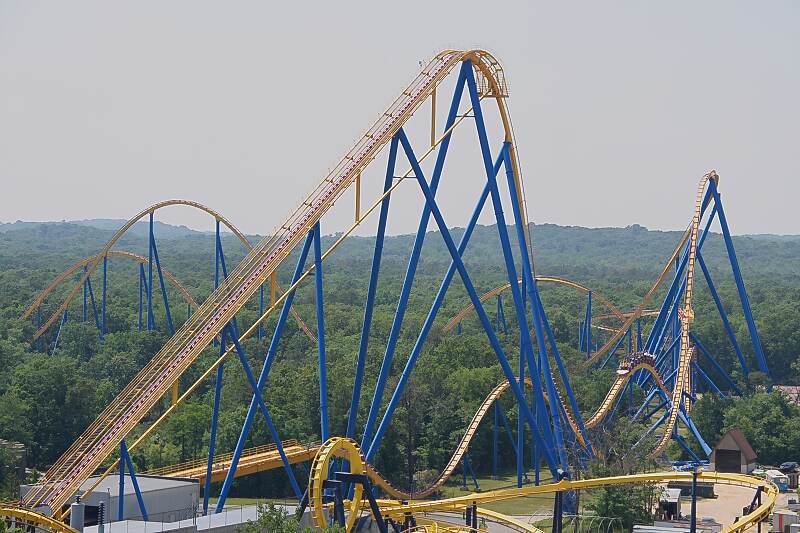
Nitro: The “Everyone Wins” Hyper Coaster
Nitro is the coaster you recommend to almost anyone, because it is big and thrilling without being mean. It is a B&M hyper coaster, which usually translates to: smooth trackwork, huge elements, and a ride that feels like it has room to breathe.
The sensation on Nitro is speed and float. It is not trying to whip you around like a fighter jet. It is trying to make you feel like you are gliding over the tops of hills, with that stomach-lift moment that makes people laugh involuntarily.
Who should ride: Almost everyone who meets the height requirement. If you are bringing a mixed group, Nitro is the safest “we will all have fun” pick.
Who might skip: If you only like coasters that feel snappy and aggressive, Nitro might feel too graceful. That said, “graceful” at this size is still a lot.
Official ride page: Six Flags Great Adventure: Nitro
Jersey Devil Coaster: Single-Rail Precision, Big Personality
Jersey Devil Coaster is Great Adventure’s modern single-rail coaster, and it rides like the track is a blade. Single-rails tend to feel more precise than traditional coasters, because the train is narrower and the track geometry can create a very specific kind of whip and snap.
This is the coaster that often surprises people who think they “know” what the park’s lineup is. It is not trying to be El Toro. It is not trying to be Nitro. It is its own thing, and it gives the park a modern, punchy counterbalance to the older headliners.
Who should ride: Anyone who likes quick transitions, airtime moments that feel sharp, and a ride that feels “new-school.”
Who might not love it: If you dislike rides that feel narrow or “on top of the track,” single-rails can feel exposed. Some people love that. Some people do not.
Official ride page: Six Flags Great Adventure: Jersey Devil Coaster
Medusa: The Classic That Still Holds Up
Medusa is one of those coasters that reminds you why B&M became the default “reliable crowd-pleaser” manufacturer for so many parks. It is a floorless coaster, which means you get that open, dangling-leg feeling without the full exposure of a stand-up or flying model.
The ride experience is a mix of inversions, sweeping turns, and that smooth, confident pacing B&M is known for. It is not the newest coaster in the park, but it is the kind of ride that can still be a top-five day depending on your taste.
Who should ride: People who love inversions but want them smooth, not rattly. If you like coasters that feel “strong” rather than “wild,” Medusa is your friend.
Official ride page: Six Flags Great Adventure: Medusa
Batman: The Ride: The Invert That Still Slaps
Batman: The Ride is a B&M inverted coaster, and it is basically the definition of “compact intensity.” Inverts at their best feel like you are being swung through a series of tight, forceful elements, with your feet dangling and the track above you like a ceiling.
Batman clones exist for a reason: the layout is efficient, the capacity is strong, and the ride experience is consistently fun. It is not the longest coaster in the park, but it is the kind of ride you can marathon if the line is reasonable.
Who should ride: Anyone who likes positive Gs and fast, punchy inversions.
Who might skip: If you are sensitive to intense positive Gs (that “pressure” feeling), this is one to approach carefully. If you want a deeper explanation of why some coasters feel more intense even when they are not “bigger,” this helps: How Roller Coasters Work.
Official ride page: Six Flags Great Adventure: Batman The Ride
Superman: Ultimate Flight: Flying Coaster, Big Commitment
Flying coasters are polarizing. When they work for you, they feel like a superhero fantasy. When they do not, they feel like you are being held in an awkward position while the ride tries to convince your body that this is normal.
Superman: Ultimate Flight is Great Adventure’s flying coaster, and the defining moment for a lot of riders is the pretzel loop. If you love that “face-down, heavy, intense” sensation, you will probably walk off grinning. If you hate it, you will still remember it, just not fondly.
Who should ride: People who want something different from the usual sit-down coaster experience, and who like intense inversions.
Who might skip: Anyone with motion sensitivity, or anyone who hates that “blood rushing” feeling. If you are worried about feeling faint or overwhelmed on intense rides, this post is relevant: Why Do People Faint On Roller Coasters?.
Official ride page: Six Flags Great Adventure: Superman Ultimate Flight
Green Lantern: The Stand-Up That People Argue About
Stand-up coasters are a whole conversation. Some people genuinely love them. Some people think they are uncomfortable by design. Green Lantern is Great Adventure’s stand-up coaster, and it tends to land in the “you should try it once and decide for yourself” category.
The ride experience is not just about the track layout, it is about how your body interacts with the restraint system and stance. If the fit is good, it can be fun. If the fit is off, it can be a long few minutes.
Who should ride: Curious coaster fans who want to experience a rarer coaster style.
Who might skip: Anyone with sensitivity to restraint pressure or discomfort. If you want a broader, practical explanation of why restraint styles matter so much, read: Why Roller Coasters Have Different Restraints.
Official ride page: Six Flags Great Adventure: Green Lantern
The Dark Knight Coaster: Indoor Wild Mouse Chaos (In The Best Way)
The Dark Knight Coaster is an indoor wild mouse, and it is not trying to be a headliner. It is trying to be a fun, chaotic, slightly disorienting coaster that gives you quick turns, sudden drops, and that classic wild mouse feeling of “we are absolutely going to fling you around this corner.”
Indoor coasters also have a practical value: weather. If the day is brutally hot, or if you need a break from the sun, indoor attractions can feel like survival.
Who should ride: Families, casual coaster fans, and anyone who likes quick, goofy thrills.
Who might skip: If you hate sharp turns or lateral forces, wild mice can feel jerky.
Official ride page: Six Flags Great Adventure: The Dark Knight Coaster
Skull Mountain: The Indoor “First Coaster” That Still Has A Place
Skull Mountain is one of those coasters that longtime fans sometimes dismiss because it is not intense, but it matters. It is an indoor coaster that works as a stepping stone for new riders, kids moving up from kiddie rides, and adults who want “a coaster” without committing to something like El Toro.
Not every coaster in a park is for enthusiasts. Parks need that ladder: the rides that build confidence, not just the rides that break records.
If you are traveling with someone who is scared of coasters, you might like this guide: How To Overcome Roller Coaster Fear (Without Feeling Forced). Skull Mountain is exactly the kind of ride that can help someone take the next step.
Official ride page: Six Flags Great Adventure: Skull Mountain
Harley Quinn Crazy Train: Small Coaster, Real Purpose
Harley Quinn Crazy Train is a family coaster, and it exists for a reason: it gives kids and cautious riders a “real coaster” experience without the intensity of the big stuff. These rides are not meant to impress enthusiasts. They are meant to create future enthusiasts.
Who should ride: Families, first-timers, anyone who wants a gentle coaster credit.
Official ride page: Six Flags Great Adventure: Harley Quinn Crazy Train
Road Runner Railway: The True Starter Coaster
Road Runner Railway is the kiddie coaster, the “first coaster ever” for a lot of kids, and honestly, it is one of the most important rides in the park. It is the beginning of the ladder.
Who should ride: Kids, families, and anyone collecting credits who also respects the rite of passage.
Official ride page: Six Flags Great Adventure: Road Runner Railway
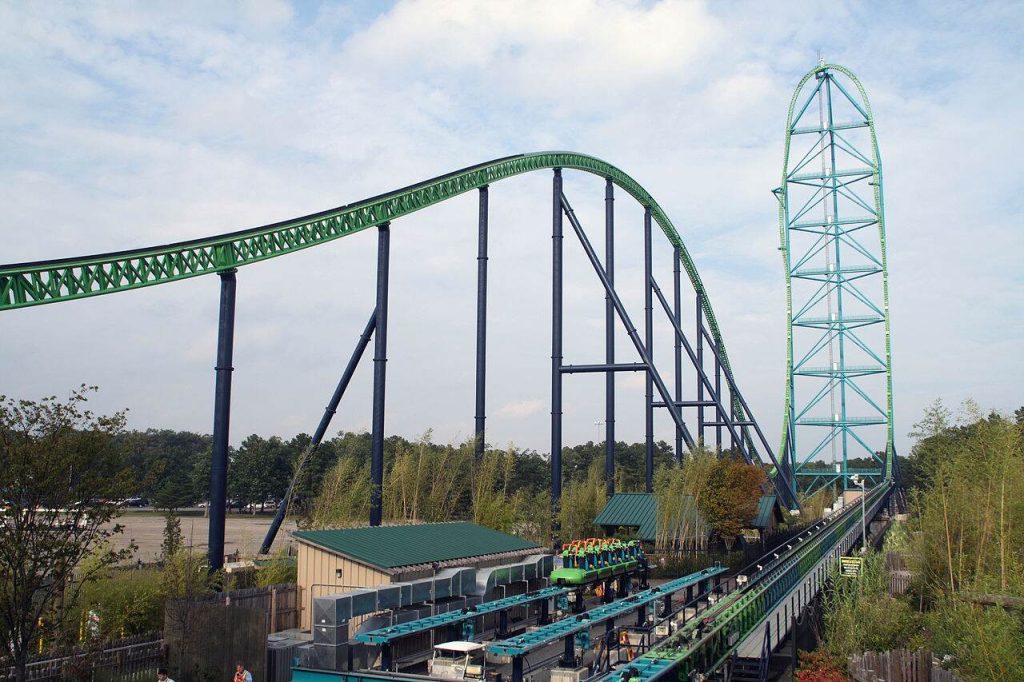
What About Kingda Ka?
Kingda Ka used to be the park’s most famous coaster, and for years it was the coaster that non-coaster people knew by name because “tallest” travels. If you are here because you heard it was removed and you want the full story, I have a dedicated post that covers the three questions everyone asks: what happened to the hardware, where it was in the park, and what is planned for the site.
Read the Kingda Ka removal breakdown here.
How To Plan Your Coaster Day At Great Adventure
Great Adventure can be a “do everything” park if crowds are light, but it can also be a park where you spend half your day walking and waiting if you do not plan even a little.
Here is a strategy that works for a lot of coaster-focused visitors:
1) Start with your personal headliner. If El Toro is your must-ride, prioritize it early. If Nitro is your must-ride, same. The point is to lock in the ride you will be sad about if it goes down later.
2) Use indoor coasters as crowd and weather tools. The Dark Knight and Skull Mountain can be great “reset” rides in the middle of the day, especially if heat is draining you.
3) Group rides by intensity. If you are with mixed riders, do not bounce between extremes all day. Put the big stuff in a block, then do a calmer block, then go big again. People last longer that way.
4) If someone in your group is nervous, build confidence on purpose. Start with Skull Mountain or a family coaster, then move up. Do not throw them onto El Toro as a “trial by fire” unless they are genuinely asking for that.
My Honest “If You Only Have Time For Three” List
This is subjective, but if you told me you had one visit and you could only ride three coasters, I would usually push you toward:
El Toro for the airtime and the legend factor.
Nitro for the big, smooth, soaring hyper coaster experience.
Jersey Devil Coaster for the modern single-rail flavor that rounds out the lineup.
Then, if you have time, add Medusa and Batman: The Ride depending on whether your heart belongs more to smooth inversions (Medusa) or compact intensity (Batman).
Common Questions People Ask Before They Go
Is Great Adventure A “Coaster Park” Or A “Full Theme Park”?
It is a coaster-forward park with a lot of supporting rides, plus a safari attached. It is not a Disney-style “every walkway is a movie set” park, but it is also not a barebones fairground. The coaster lineup is the main reason enthusiasts travel.
Are These Coasters Good For People Who Are New To Big Rides?
Yes, as long as you treat it like a ladder. Start with Road Runner Railway (if it fits your group), then Harley Quinn Crazy Train, then Skull Mountain, then The Dark Knight. After that, you can decide whether you want to step up to Medusa or Nitro. El Toro is usually not the first “big coaster” I recommend for nervous riders, because the airtime can feel intense and surprising.
If you are trying to help someone move from fear to fun, this is the guide I’d use: How To Overcome Roller Coaster Fear (Without Feeling Forced).
Which Coasters Are The Most Intense?
Intensity is personal, but in general:
El Toro is intense because of airtime and pacing.
Batman: The Ride is intense because of compact positive Gs and fast inversions.
Superman: Ultimate Flight can feel intense because of the flying position and the pretzel loop.
Green Lantern can feel intense for the wrong reason if the stand-up fit is uncomfortable.
If you want the science-y version of why intensity feels different across coaster types, this is a good companion read: How Roller Coasters Work: Engineering And Physics.
What If A Coaster Goes Down While I’m There?
It happens. Coasters are complicated machines operating outdoors, and downtime is part of the reality. The healthiest mindset is: prioritize your must-rides early, and have a backup plan so you do not spend your whole day emotionally spiraling at a closed entrance.
This is also why coaster fans obsess over maintenance and reliability, and why parks sometimes remove rides even when people love them. If you want that bigger picture, this post explains the “why” behind closures: Why Roller Coasters Get Removed.
Final Thoughts: Why Great Adventure Still Belongs On The Coaster Bucket List
Great Adventure is not a perfect park, and that is part of why it is fun to write about. It is not trying to be delicate. It is not trying to be subtle. It is trying to give you a day where you ride something legendary, you ride something smooth and huge, you ride something modern and snappy, and you go home feeling like you got your money’s worth in adrenaline.
If you are a coaster person, Great Adventure is one of those parks that helps define your taste. You will learn what kind of thrills you actually love. Are you an airtime person? An inversion person? A “give me speed and grace” person? A “make it weird, make it different” person?
And if you are not a coaster person yet, Great Adventure is also a park that can convert you, as long as you climb the ladder instead of trying to sprint to the top.

Leave a Reply