Roller coasters are thrilling precisely because they feel dangerous. The speed, the heights, the inversions, the forces—all of these create a sensation of risk. But sensation and reality are often very different things.
One of the most common questions people ask about coasters is: “How safe are they really? What are the actual odds of dying on a roller coaster?” The answer, supported by decades of safety data, is reassuring: roller coasters are extraordinarily safe. In fact, you are far more likely to be injured or killed doing many everyday activities than you are riding a coaster.
This post provides a comprehensive, data-driven analysis of roller coaster safety. We’ll examine the actual statistics, compare coaster safety to other activities, explore the causes of coaster-related injuries and deaths, discuss safety systems and regulations, and address common safety concerns.
What this post covers
- What “roller coaster death statistics” actually measure (and what they don’t)
- The most common ways coaster-related deaths happen (and why they’re not always “the ride failed”)
- How modern coaster safety systems reduce risk: restraints, sensors, maintenance, operator procedures
- What you can do to keep your own risk as low as possible (health warnings, restraint fit, behavior)
- A quick FAQ for the questions people ask right after seeing a scary headline

Related Post: Roller Coaster Accidents Safety Statistics
The Basic Statistics: How Safe Are Roller Coasters?
The most straightforward way to answer the question “What are the odds of dying on a roller coaster?” is to look at the actual data.
Annual Fatality Rates
According to data from the Consumer Product Safety Commission (CPSC) and the International Association of Amusement Parks and Attractions (IAAPA), the annual number of coaster-related deaths in the United States is extremely small.
In recent years, there have been approximately 1-2 deaths per year in the United States that are directly attributable to roller coaster rides. This is out of hundreds of millions of coaster rides taken annually.
To put this in perspective: in 2023, there were approximately 375 million coaster rides taken in the United States. In that same year, there were approximately 1-2 coaster-related deaths. This means the odds of dying on a coaster ride are approximately 1 in 187 million to 1 in 375 million per ride.
Injury Rates
While deaths are extremely rare, injuries do occur. According to CPSC data, there are approximately 1,200-1,500 coaster-related injuries per year in the United States that are serious enough to require emergency room treatment.
This sounds like a large number, but in context, it means that out of 375 million coaster rides, approximately 1,200-1,500 result in injuries serious enough for ER treatment. This is a rate of approximately 1 injury per 250,000 to 300,000 rides.
The vast majority of these injuries are minor—sprains, strains, and minor fractures. Serious injuries are much rarer.
Comparison to Other Activities
To understand whether coasters are safe, it’s helpful to compare coaster safety to other activities. The following comparisons are based on data from the CDC, CPSC, and other government agencies:
Driving: The odds of dying in a car accident in the United States are approximately 1 in 101 per year (based on annual mileage and accident statistics). Over a lifetime, the odds of dying in a car accident are approximately 1 in 93. This is dramatically higher than the odds of dying on a coaster.
Flying: The odds of dying in a commercial airplane crash are approximately 1 in 11 million per flight. This is safer than coasters in terms of fatality rate per incident, but coasters have far fewer incidents overall.
Swimming: The odds of dying by drowning are approximately 1 in 1,188 per year for children, and 1 in 3,500 per year for adults. This is significantly higher than coaster deaths.
Bicycling: The odds of dying in a bicycle accident are approximately 1 in 4,000 per year (based on annual bicycle miles). This is higher than coaster deaths.
Football and other contact sports: The odds of a fatal injury in football are approximately 1 in 100,000 to 1 in 200,000 per season. This is higher than coaster deaths.
Hiking: The odds of dying while hiking are approximately 1 in 600,000 to 1 in 1 million per hike. This is comparable to or slightly higher than coaster deaths.
Skydiving: The odds of dying in a skydiving accident are approximately 1 in 100,000 to 1 in 200,000 per jump. This is significantly higher than coaster deaths.
In summary, coasters are safer than driving, swimming, bicycling, contact sports, and skydiving. They are comparable to or safer than hiking.
What’s the Bottom Line?
For the average park guest, the odds of dying on a roller coaster are extremely low. Serious injuries and deaths are rare, and modern coaster safety is built around redundant restraints, strict inspections, and conservative engineering. The bigger risk for most people is usually the boring stuff: heat, dehydration, slips, and ignoring health warnings.
Related Post: How Roller Coasters Safely Evolved
Why Are Coasters So Safe?
Given that coasters involve high speeds, significant heights, and intense forces, why are they so safe? The answer lies in engineering, regulation, and a strong safety culture in the coaster industry.
Engineering and Design
Modern coasters are engineered with safety as a primary consideration. Every aspect of a coaster—the track, the train, the restraints, the braking systems, the control systems—is designed with safety in mind.
Coaster designers use computer-aided design and finite element analysis to model and test designs before construction. They calculate forces, stresses, and potential failure modes. They design redundancy into critical systems so that if one component fails, backup systems take over.
The result is that coasters are engineered to be extremely safe under normal operating conditions. The engineering is so robust that even when things go wrong, the safety systems typically prevent serious injury.
Regulation and Inspection
Coasters are subject to extensive regulation and inspection. The specific regulations vary by jurisdiction, but most jurisdictions require:
Design review and approval before construction
Inspection and testing before opening to the public
Regular maintenance and inspection during operation
Annual or periodic third-party inspections
Documentation of maintenance and repairs
These regulations ensure that coasters meet safety standards and are properly maintained. Regular inspection catches problems before they become serious.
Operator Training and Procedures
Coaster operators are trained in proper operation procedures, safety protocols, and emergency procedures. Operators must follow strict procedures for loading and unloading riders, checking restraints, and operating the coaster.
Well-trained operators catch problems before they cause accidents. They notice if a restraint isn’t properly secured, if a rider appears to have a medical condition that might be affected by the ride, or if the coaster isn’t operating normally.
Maintenance and Upkeep
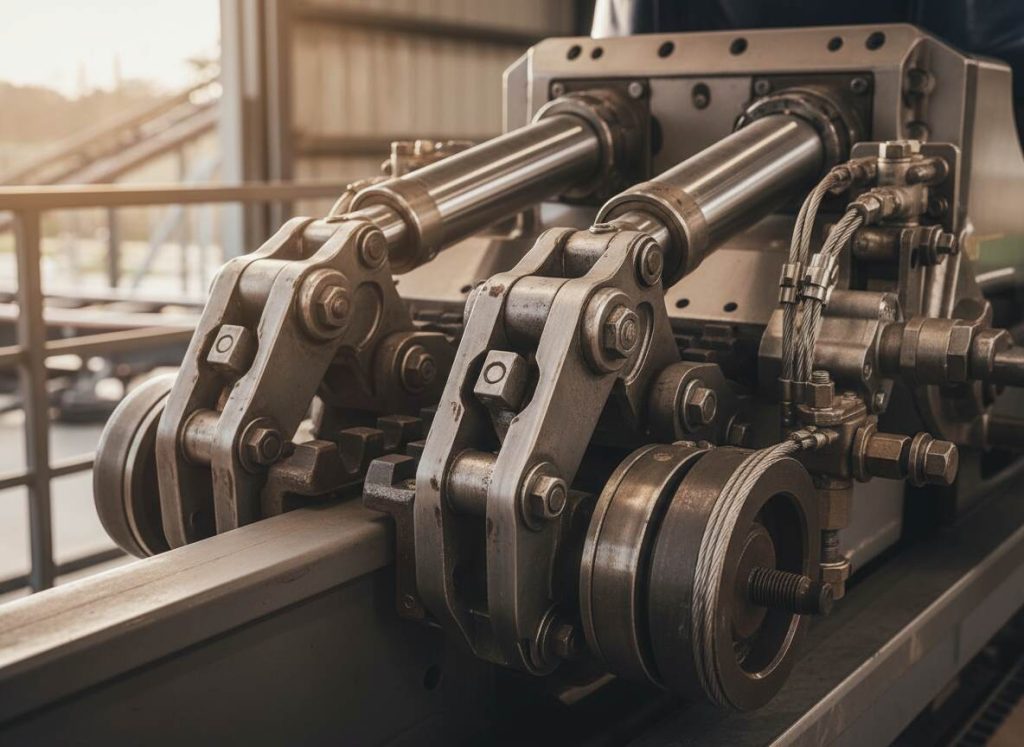
Coasters require regular maintenance. Wheels wear and must be replaced as wheels are how roller coasters stay on the tracks. Bearings must be lubricated. Brake pads wear and must be replaced. The track must be inspected for cracks or damage.
Well-maintained coasters are safe coasters. Parks that invest in proper maintenance have fewer accidents than parks that cut corners on maintenance.
Safety Culture
The coaster industry has a strong safety culture. Safety is taken seriously. When accidents occur, thorough investigations are conducted to understand what happened and how to prevent similar accidents in the future. Lessons learned are shared throughout the industry.
This safety culture means that the industry continuously learns from experience and improves safety practices.
Related Post: Why Do People Faint on Roller Coasters
What Causes Coaster-Related Deaths and Injuries?
Understanding what causes coaster-related deaths and injuries helps explain why they are so rare and how they might be prevented.
Pre-Existing Medical Conditions
The most common cause of coaster-related deaths is a pre-existing medical condition that is exacerbated by the coaster ride. This might include:
Heart conditions: Riders with undiagnosed or unmanaged heart conditions may experience a heart attack or arrhythmia triggered by the stress and G-forces of the coaster.
Aneurysms: Riders with undiagnosed aneurysms may experience rupture triggered by the forces of the coaster.
Seizure disorders: Riders with undiagnosed or unmanaged seizure disorders may experience a seizure triggered by the intense sensory stimulation of the coaster.
In most of these cases, the coaster didn’t cause the underlying condition—it simply triggered an event in someone who already had a serious medical condition. The person might have experienced the same event while driving a car, climbing stairs, or engaging in other activities.
Parks typically post warnings about medical conditions that might be affected by coaster rides and encourage riders to consult with medical professionals if they have health concerns. However, some people ride despite these warnings, either unaware of their condition or choosing to take the risk.
Operator Error
Operator error—such as failing to properly secure a restraint or not following proper procedures—can contribute to accidents. However, this is relatively rare because operators are trained and procedures are designed to catch errors.
When operator errors do occur, they typically result in injuries rather than deaths, and the injuries are usually minor.
Mechanical Failure
Mechanical failures—such as a restraint failing, a wheel breaking, or a brake system malfunctioning—are extremely rare because coasters are engineered with redundancy and are regularly maintained and inspected.
When mechanical failures do occur, the redundancy in the system typically prevents serious injury. For example, if one brake system fails, backup brakes engage. If a wheel breaks, the other wheels keep the train on the track.
Rider Behavior
Some coaster-related injuries are caused by rider behavior—such as not following safety instructions, standing up during the ride, or removing restraints during the ride.
Parks work to prevent this through clear safety instructions, operator vigilance, and sometimes physical restraints that prevent riders from standing or removing restraints.
Underlying Health Issues Not Disclosed
Some riders have underlying health issues that make coaster riding risky for them, but they don’t disclose these issues to the park. They might not be aware of their condition, or they might choose to ride despite knowing they have a condition that could be affected by the coaster.
Parks cannot prevent these accidents because they don’t know about the underlying condition. This is why parks post warnings and encourage riders to consult with medical professionals if they have health concerns.
Specific Types of Coaster-Related Injuries
While deaths are rare, injuries do occur. Understanding the types of injuries that occur helps explain what goes wrong and how injuries might be prevented.
Minor Injuries
The vast majority of coaster-related injuries are minor. These include:
Muscle strains and sprains: Riders might strain muscles or sprain joints due to the forces of the coaster or due to improper positioning in their seat.
Minor fractures: Riders might suffer minor fractures, usually of fingers, toes, or small bones, often due to improper positioning or contact with the seat or restraint.
Bruises and abrasions: Riders might suffer bruises or abrasions due to contact with the seat, restraint, or other parts of the coaster.
These injuries are typically treated with ice, rest, and over-the-counter pain medication. Most heal completely within a few weeks.
Moderate Injuries
Some coaster-related injuries are more serious. These might include:
Significant fractures: Riders might suffer fractures of larger bones, such as arms or legs. These injuries typically require medical treatment and may result in temporary disability.
Whiplash and neck injuries: Riders might suffer whiplash or other neck injuries due to the forces of the coaster or sudden movements. These injuries can be painful and may result in temporary disability.
Back injuries: Riders might suffer back injuries due to the forces of the coaster. Back injuries can be serious and may result in long-term disability.
Head injuries: Riders might suffer head injuries, though this is relatively rare because restraints and seat design typically prevent riders from hitting their heads. When head injuries do occur, they are usually minor (concussions), but can occasionally be more serious.
Serious Injuries
Serious coaster-related injuries are rare. These might include:
Severe fractures: Riders might suffer severe fractures that require surgery and result in significant disability.
Spinal cord injuries: Riders might suffer spinal cord injuries, though this is extremely rare. Spinal cord injuries can result in permanent disability or paralysis.
Internal injuries: Riders might suffer internal injuries, such as organ damage or internal bleeding. These are extremely rare and usually result from pre-existing conditions being exacerbated by the coaster.
Serious head injuries: Riders might suffer serious head injuries, including skull fractures or brain injuries. These are extremely rare.
Factors That Increase Injury Risk
Certain factors increase the risk of coaster-related injury:
Pre-existing medical conditions: Riders with pre-existing conditions are at higher risk of experiencing problems during a coaster ride.
Improper restraint fit: Riders who don’t fit properly in the restraint system are at higher risk of injury. This is why height and size requirements exist.
Improper positioning: Riders who don’t sit properly in their seat or who move around during the ride are at higher risk of injury.
Not following safety instructions: Riders who don’t follow safety instructions, such as keeping their head back or keeping their arms inside the coaster, are at higher risk of injury.
Operator error: If an operator fails to properly secure a restraint or doesn’t follow proper procedures, the risk of injury increases.
Coaster Safety Regulations and Standards
Coaster safety is regulated through a combination of federal regulations, state regulations, and industry standards.
Federal Regulation
At the federal level, the Consumer Product Safety Commission (CPSC) has jurisdiction over amusement ride safety. However, the CPSC’s authority is limited. Most amusement rides, including coasters, are regulated at the state and local level.
The CPSC does collect data on amusement ride injuries and deaths, which provides the statistics used to assess coaster safety.
State and Local Regulation
Most states have their own amusement ride safety regulations. These regulations typically cover design approval, inspection, maintenance, and operation of amusement rides.
The specific regulations vary by state. Some states have very comprehensive regulations, while others have minimal regulations. This variation in regulation is one reason why some parks may have better safety records than others.
Industry Standards
The amusement ride industry has developed its own standards through organizations like the American Society for Testing and Materials (ASTM) and the International Association of Amusement Parks and Attractions (IAAPA).
These standards cover design, construction, operation, maintenance, and inspection of amusement rides. While these standards are not legally binding in all jurisdictions, they represent best practices in the industry and are widely adopted.
ASTM Standards
ASTM has developed comprehensive standards for amusement ride design and operation. These standards cover:
Design and construction of roller coasters
Restraint systems
Inspection and maintenance
Operation and training
Safety procedures and emergency protocols
These standards are based on engineering principles, safety research, and industry experience. They represent the state of the art in amusement ride safety.
Medical Conditions and Coaster Safety
Certain medical conditions increase the risk of problems during a coaster ride. Parks typically post warnings about these conditions and encourage riders to consult with medical professionals.
Cardiovascular Conditions
Riders with cardiovascular conditions—such as heart disease, high blood pressure arrhythmias, or recent heart surgery—should be cautious about riding coasters. The stress and G-forces of a coaster can increase heart rate and blood pressure, which might trigger problems in people with cardiovascular conditions.
Parks typically recommend that riders with cardiovascular conditions consult with their doctor before riding.
Neurological Conditions
Riders with neurological conditions—such as seizure disorders, migraines, or vertigo—might experience problems during a coaster ride. The intense sensory stimulation, rapid movements, and G-forces can trigger seizures, migraines, or vertigo in susceptible individuals.
Parks typically recommend that riders with neurological conditions consult with their doctor before riding.
Pregnancy
Pregnant women are typically advised not to ride coasters. The forces and movements of a coaster could potentially harm the fetus or cause complications. Parks typically have explicit policies prohibiting or strongly discouraging pregnant women from riding.
Recent Surgery or Injury
Riders who have recently had surgery or who have recent injuries should be cautious about riding coasters. The forces and movements could stress the surgical site or injury and cause complications.
Parks typically recommend that riders who have recently had surgery or who have recent injuries consult with their doctor before riding.
Spinal Conditions
Riders with spinal conditions—such as scoliosis, herniated discs, or previous spinal surgery—should be cautious about riding coasters. The forces and movements of a coaster can stress the spine and potentially cause problems.
Parks typically recommend that riders with spinal conditions consult with their doctor before riding.
Bone and Joint Conditions
Riders with bone and joint conditions—such as osteoporosis, arthritis, or previous fractures—should be cautious about riding coasters. The forces of a coaster can stress bones and joints and potentially cause problems.
Parks typically recommend that riders with bone and joint conditions consult with their doctor before riding.
Specific Coaster Types and Safety
Different types of coasters have different safety profiles. Understanding these differences can help riders make informed decisions about which coasters are appropriate for them.
Wooden Coasters
Wooden coasters are generally considered safe. They operate at lower speeds than many steel coasters and typically have lower G-forces. The injury rate for wooden coasters is comparable to or slightly lower than for steel coasters.
The main risk with wooden coasters is the rougher ride experience. The track is less smooth than steel, which can result in more bumping and jostling. This can increase the risk of minor injuries like strains and bruises.
Steel Coasters
Steel coasters are also generally considered safe. Modern steel coasters are engineered with precision and have sophisticated control systems. The injury rate for steel coasters is comparable to wooden coasters.
Steel coasters can operate at higher speeds and with higher G-forces than wooden coasters, but this doesn’t necessarily mean they are less safe. The engineering and design account for these higher forces.
Inverted Coasters
Inverted coasters, where riders hang from the track with their legs dangling, are safe when properly designed and maintained. The three-point wheel contact system ensures that the train stays on the track even when inverted.
The main risk with inverted coasters is the sensation of exposure, which some riders find uncomfortable. However, this is a psychological factor, not a safety issue.
Winged Coasters
Winged coasters, where riders sit on the sides of the track with no support beneath or beside them, are safe when properly designed and maintained. The engineering ensures that riders remain securely seated even with the sensation of exposure.
Like inverted coasters, the main risk is psychological—the sensation of exposure—rather than a safety issue.
Floorless Coasters
Floorless coasters, where riders’ legs dangle freely, are safe when properly designed and maintained. The restraint system keeps riders securely in their seats.
The main risk with floorless coasters is the sensation of exposure and the feeling that riders might fall. However, this is a psychological factor, not a safety issue.
Launch Coasters
Launch coasters, which accelerate riders to high speeds in a short distance, are safe when properly designed and maintained. The acceleration is rapid but controlled, and the forces are within safe limits.
Launch coasters have been extensively tested and have proven to be as safe as traditional lift-hill coasters.
Extreme Coasters
Extreme coasters—those with very high speeds, extreme heights, or extreme angles—are safe when properly designed and maintained. Modern engineering allows for safe operation at extreme parameters.
However, extreme coasters do have higher G-forces, which can be uncomfortable or problematic for riders with certain medical conditions. Riders considering extreme coasters should carefully consider whether they are appropriate for their health status.
Age and Size Considerations
Coaster safety varies by age and size. Parks establish height and age requirements to ensure that riders are physically and developmentally appropriate for the ride.
Height Requirements
Height requirements exist because restraint systems are designed to fit riders of certain sizes. A rider who is too small might not be properly restrained by the system, increasing the risk of injury.
Height requirements typically range from 36 inches to 54 inches, depending on the coaster. A rider who meets the height requirement should be properly restrained by the system.
Age Considerations
While age requirements are less common than height requirements, some parks do establish minimum ages for certain coasters. Age requirements reflect developmental considerations—younger children may not have the physical or psychological development to safely ride certain coasters.
Age requirements are typically based on research about child development and the forces involved in coaster rides.
Adult Riders
Adult riders are generally at low risk of coaster-related injury, assuming they don’t have pre-existing medical conditions that might be affected by the coaster. Adults have fully developed skeletal systems, cardiovascular systems, and neurological systems.
The main risk for adult riders is pre-existing medical conditions. Adults should carefully consider their health status before riding, especially if they have cardiovascular, neurological, or musculoskeletal conditions.
Older Adults
Older adults may be at higher risk of coaster-related injury due to age-related changes in the body. Bones become more brittle with age, muscles become weaker, and cardiovascular function may decline.
Older adults should carefully consider their health status before riding. Those with osteoporosis, arthritis, cardiovascular conditions, or other age-related conditions should consult with their doctor before riding.
Rare but Serious Incidents: Learning from History
While coaster-related deaths and serious injuries are extremely rare, they do occasionally occur. Examining these rare incidents provides insight into what can go wrong and how safety can be improved.
Mechanical Failures
Mechanical failures that have caused coaster accidents include wheel failures, brake system failures, and structural failures. These are extremely rare because coasters are engineered with redundancy and are regularly inspected and maintained.
When mechanical failures do occur, investigations typically reveal that maintenance was inadequate or that the failure was due to wear that should have been caught during inspection.
Operator Error
Operator errors that have caused accidents include failing to properly secure restraints, not following proper procedures, and not responding appropriately to problems. These are rare because operators are trained and procedures are designed to catch errors.
When operator errors do occur, investigations typically lead to improved training or procedure changes to prevent similar errors in the future.
Design Flaws
Occasionally, design flaws have been discovered that could potentially cause accidents. When design flaws are discovered, parks typically modify the coaster or implement operational changes to address the flaw.
Modern coaster design, using computer-aided design and finite element analysis, has made design flaws much less common than in the past.
Pre-Existing Conditions
Many coaster-related deaths involve riders with pre-existing medical conditions that are triggered or exacerbated by the coaster. These deaths are tragic, but they are not failures of coaster safety—they are failures of riders to disclose or understand their medical conditions.
Parks work to prevent these incidents through warnings and by encouraging riders to consult with medical professionals if they have health concerns.
How Parks Prevent Accidents
Parks use multiple strategies to prevent coaster-related accidents and injuries.
Proper Design and Engineering
Coasters are designed by experienced engineers using modern design tools. The design process includes extensive analysis and testing to identify and eliminate potential safety issues.
Regular Maintenance
Coasters are regularly maintained. Wheels are replaced when worn, bearings are lubricated, brakes are inspected and serviced, and the track is inspected for damage. Regular maintenance catches problems before they cause accidents.
Regular Inspection
Coasters are regularly inspected by trained maintenance staff and, in many jurisdictions, by independent inspectors. Inspections identify problems that need to be addressed.
Operator Training
Coaster operators are trained in proper operation procedures, safety protocols, and emergency procedures. Well-trained operators catch problems before they cause accidents.
Restraint Checking
Operators check restraints before each ride to ensure they are properly secured. Many modern coasters have sensors that verify restraint security and prevent operation if restraints are not properly secured.
Safety Warnings and Instructions
Parks post safety warnings about medical conditions and other risk factors. Operators provide safety instructions to riders before the ride. These warnings and instructions help riders make informed decisions and follow safety procedures.
Capacity and Spacing Management
Parks manage the number of riders and the spacing between trains to prevent overcrowding and collisions. Computer control systems monitor train spacing and activate brakes as needed to maintain safe spacing.
Weather Monitoring
Parks monitor weather conditions and shut down coasters if conditions become unsafe. High winds, lightning, or other severe weather can make coaster operation unsafe.
Psychological Factors: Fear vs. Danger
One of the most important aspects of coaster safety is understanding the difference between fear and danger. Coasters are designed to feel dangerous while actually being very safe.
The Thrill of Perceived Risk
Part of the appeal of coasters is the sensation of risk. The speed, the heights, the inversions, the forces—all create a feeling of danger. This feeling is what makes coasters thrilling.
However, this feeling of danger is largely psychological. The actual risk is very small. Coasters are engineered to feel dangerous while actually being very safe.
Anxiety and Coaster Riding
Some people experience anxiety when riding coasters. This anxiety is a natural response to the sensation of danger, even though the actual danger is minimal.
For people with anxiety disorders, coaster riding can trigger or exacerbate anxiety symptoms. These individuals should consider whether coaster riding is appropriate for them.
Building Confidence
Many people find that riding coasters helps them build confidence and overcome fears. The experience of surviving a thrilling ride can be empowering and can help people feel more confident in other areas of their lives.
For these people, coaster riding is a positive experience that provides psychological benefits in addition to entertainment.
Comparison to Other Amusement Rides
How does coaster safety compare to other amusement rides?
Ferris Wheels
Ferris wheels are generally considered very safe. They operate at lower speeds and with lower forces than coasters. The injury rate for ferris wheels is lower than for coasters.
Log Flumes and Water Rides
Water rides are generally considered safe, though they have a higher injury rate than coasters in some cases due to water-related injuries. Drowning is a potential risk on water rides, though it is extremely rare.
Dark Rides
Dark rides (indoor rides with themed environments) are generally considered very safe. They typically operate at low speeds with minimal forces. The injury rate for dark rides is very low.
Spinning Rides
Spinning rides (like Scrambler or Tilt-A-Whirl) have injury rates comparable to coasters. They operate at high speeds with significant forces, but are engineered to be safe.
The Role of Rider Responsibility
While parks have a responsibility to design, maintain, and operate coasters safely, riders also have a responsibility to follow safety instructions and to make informed decisions about whether a coaster is appropriate for them.
Following Safety Instructions
Riders should carefully follow all safety instructions provided by operators. These instructions are designed to keep riders safe and should be taken seriously.
Disclosing Medical Conditions
Riders with medical conditions that might be affected by coaster riding should disclose these conditions to park staff or consult with their doctor before riding. Riders should not ride if they have conditions that might be unsafe.
Proper Positioning
Riders should sit properly in their seats, keep their head back, keep their arms inside the coaster, and follow all other positioning instructions. Improper positioning increases the risk of injury.
Not Riding While Impaired
Riders should not ride coasters while under the influence of alcohol or drugs. Impairment can affect judgment and physical coordination, increasing the risk of injury.
Respecting Height and Age Requirements
Height and age requirements exist for safety reasons. Riders who don’t meet these requirements should not ride, even if they think they are ready.
Conclusion: Coasters Are Remarkably Safe
The data is clear: roller coasters are remarkably safe. The odds of dying on a coaster are approximately 1 in 187 million to 1 in 375 million per ride. This is far safer than driving, swimming, bicycling, or engaging in many other common activities.
Coasters are safe because of careful engineering, regular maintenance and inspection, operator training, and a strong safety culture in the industry. Modern coasters are designed with redundancy and fail-safe systems that ensure safety even when things go wrong.
While injuries do occasionally occur, they are usually minor. Serious injuries and deaths are extremely rare and often involve pre-existing medical conditions that are triggered or exacerbated by the coaster.
The bottom line: if you’re healthy and follow safety instructions, the risk of serious injury or death on a coaster is vanishingly small. Coasters are safe to ride, and the thrill is real while the danger is minimal.
FAQ: Roller coaster death odds and safety
1) Has anyone ever died on a roller coaster?
Yes, but it’s rare. When deaths happen, they’re often tied to pre-existing medical issues, unsafe behavior, or restraint misuse rather than a modern coaster randomly “failing.”
2) Are roller coasters safer than driving?
In most everyday comparisons, a single coaster ride is a very low-risk activity. Driving exposes you to risk for longer periods and with far more variables, so people tend to underestimate driving and overestimate rides because coasters feel intense.
3) What’s the most common cause of serious coaster incidents?
A lot of the worst outcomes come from rule-breaking (standing up, loose articles, entering restricted areas) or medical events. Mechanical failures can happen, but they’re not the most common headline-to-reality match people assume.
4) What can I do to stay safe on a coaster?
Follow height and health restrictions, sit properly, keep your head back when instructed, secure loose items, and never try to adjust restraints mid-ride. If a restraint doesn’t feel right before dispatch, speak up and get checked.
Read Next: Roller Coaster Safety and How Coasters Work
If you want to go deeper (or you’re trying to calm your nerves before a trip), here are a few related guides that pair well with the stats in this post:
- Roller Coaster Accidents and Safety Statistics
- How Roller Coasters Safely Evolved
- How Roller Coasters Work: Engineering and Physics
- How Do Roller Coasters Stay on the Tracks?
- Why Do People Faint on Roller Coasters?
- How to Get Over Your Fear of Roller Coasters
- The Scariest Roller Coasters in the World
- Tallest Roller Coaster in the World
